DriveRacks

Industrial Analysis: Spain's Warehouse Trolley & Material Handling Sector
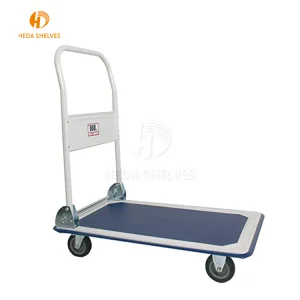
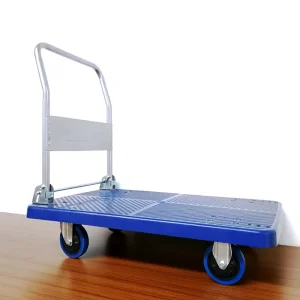
Spain is dynamically positioning itself as a dominant logistics gateway in Southern Europe, bridging maritime shipping lanes with trans-European rail and road corridors. The country's logistics parks (ZALs), particularly in Madrid (Corredor del Henares), Barcelona (Zona Franca), and Zaragoza (PLAZA), have experienced massive industrial consolidation. This expansion requires advanced internal transport mechanisms. Within this infrastructure, the humble warehouse storage trolley has evolved from a simple manual platform cart into an essential, highly engineered component of picking and order fulfillment strategies.
In Spanish industrial settings, material handling equipment must meet strict compliance and safety standards, particularly the European standard EN 1757-3 (Safety of industrial trucks - Pedestrian propelled manual and semi-manual trucks). As companies face rising labor costs and strict health regulations regarding musculoskeletal disorders (TMEs - Trastornos Músculo-Esqueléticos), investing in ergonomic, low-rolling-resistance trolleys is now a strategic necessity rather than a simple purchasing decision.
Spain's Industrial Logistics & Intralogistics Dynamics
Spain's industrial distribution network features key regional differences that shape the design of warehouse storage equipment:
- E-commerce Distribution Hubs (Central Spain): Located around Madrid, these high-throughput facilities use heavy-duty, silent platform trolleys. These carts are engineered to withstand continuous 24/7 picking cycles with minimal wear and tear.
- Coastal Logistics & Seafood Cold Chains (Galicia & Valencia): Operating in humid and saline environments, facilities require anti-corrosive, hot-dip galvanized, or high-grade stainless steel trolleys to prevent structural decay and rust.
- Automotive Part Racking & Assembly lines (Catalonia & Basque Country): Heavy component transport requires high-strength steel modular frame trolleys capable of supporting loads from 300kg to over 1000kg.
Global Innovations and Trends in Materials Handling
The global material handling industry is undergoing a digital and mechanical transformation. Key shifts include:
- Materials Engineering: Using high-strength low-alloy steels (HSLA) to reduce the net weight of hand trolleys while preserving their load capacity, optimizing manual energy usage.
- Polyurethane and Thermoplastic Rubber (TPR) Casters: Switching to advanced compound wheel structures that offer excellent damping, low roll-resistance coefficients, and quiet operation (below 50dB) to improve the work environment in enclosed warehouses.
- Modular Intralogistics Integrations: Designing trolleys with swap-out features like removable side-panels, steps, and adjustable racks. This allows a single chassis to adapt to varying picking, sorting, and transport tasks.
Macro Solutions for Industrial Racking and Material Flow
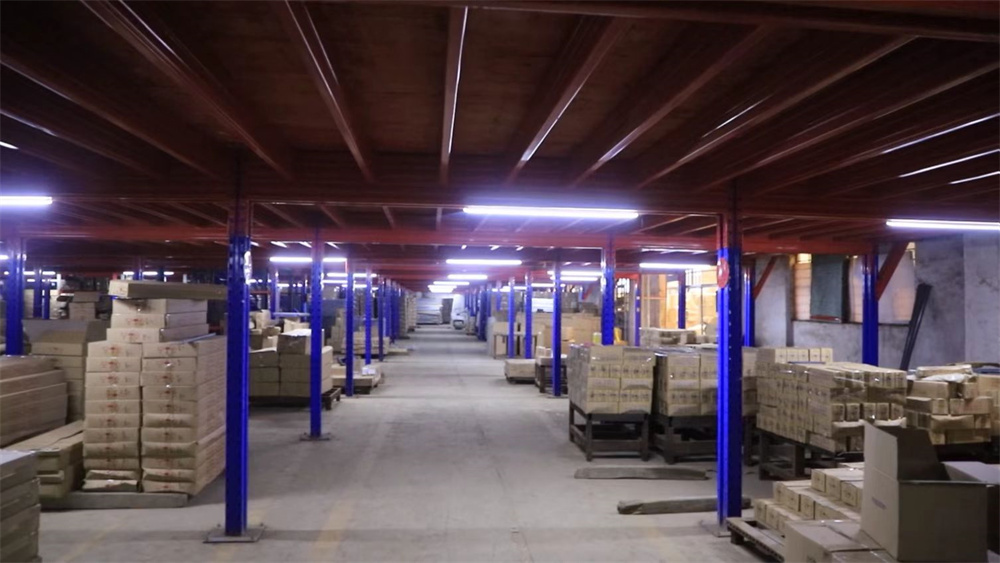
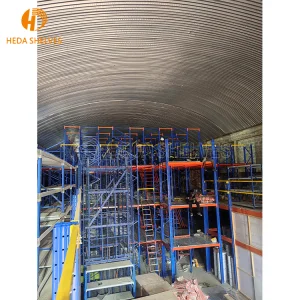
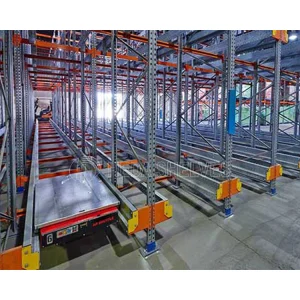
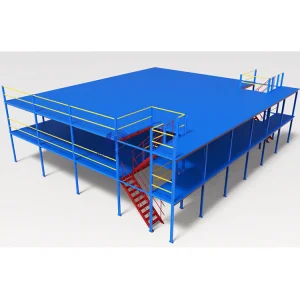
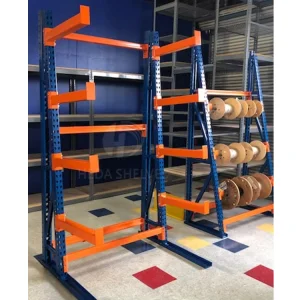
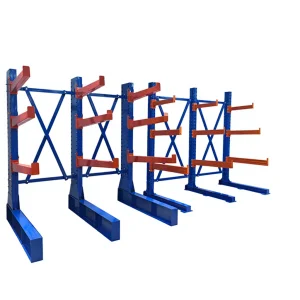
Modern distribution complexes cannot rely on stand-alone carts alone. Real efficiency comes from integrating mobile transport units with fixed structures. Using specialized heavy-duty cantilever racks for long materials, high-density radio shuttle racking systems for palletized products, and mezzanine platforms with integrated safety gates creates a seamless workflow. This ensures fast movement from bulk receipt to picking and delivery, minimizing dwell times and maximizing space usage.