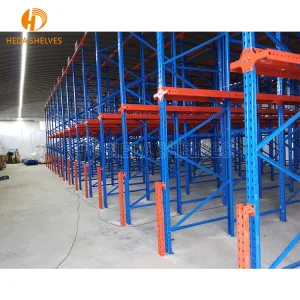
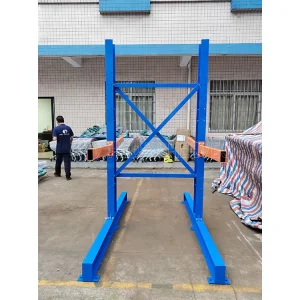
Engineered to absorb industrial kinetic energy, withstand seismic activities, and optimize high-density load management.
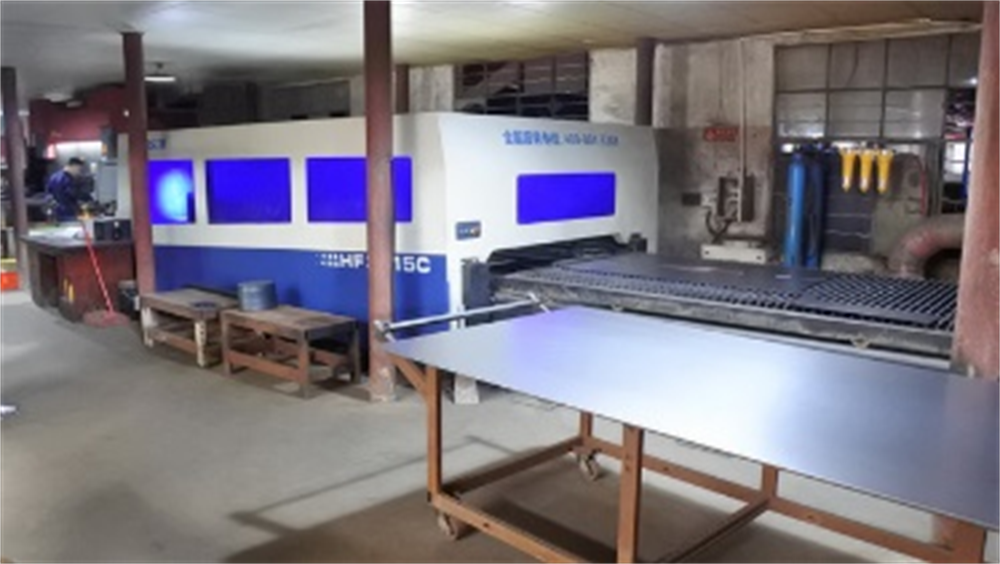
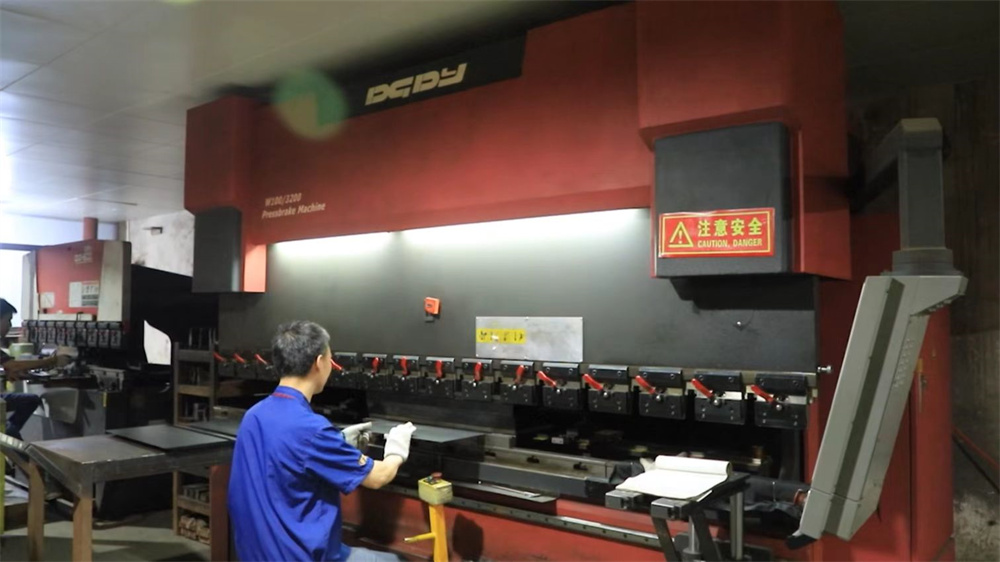
State-of-the-Art Factory Space
Annual Export Volume
Expert R&D Engineers
Certified QA/QC Inspectors
In an era characterized by rapid e-commerce expansion, omnichannel fulfillment, and highly automated cold chains, industrial storage infrastructure is no longer merely a passive commodity. Today’s high-throughput supply chains demand storage systems that combine volumetric efficiency with maximum physical robustness. The rise of multi-shuttle systems, heavy-duty AGVs (Automated Guided Vehicles), and high-capacity forklifts has exponentially increased the risk of impact-induced structural failures within warehouses.
According to global logistics safety statistics, structural failures due to warehouse vehicle collisions represent one of the most severe hazards to personnel safety and supply chain continuity. When a forklift collides with an unprotected upright frame, the localized stress distribution undergoes a catastrophic transition, potentially leading to progressive collapse. This is where Custom OEM Impact Racks become an essential structural component. Built with high-tensile cold-rolled steel, energy-absorbing baseplates, and reinforced lower column profiles, impact racks are engineered specifically to redirect and dissipate kinetic forces, preserving structural integrity under sudden mechanical load.
Established in 2017, Chengdu DriveRacks Industrial Technology Co., Ltd. operates a state-of-the-art 42,000 m² manufacturing plant dedicated to advanced material handling and heavy-duty storage infrastructure. Delivering $35 million in annual export revenue, we bring 9 years of deep industry expertise and 6 years of international trade operations. Quality is integral to our process; our team of 30 certified inspectors executes rigorous raw material tensile testing and automated powder-coating thickness audits. Serving high-growth markets across the Middle East, Latin America, and Oceania, DriveRacks leverages a robust ecosystem of 1,200 supply chain partners. We primarily serve enterprise warehouse operators, e-commerce fulfillment hubs, and heavy equipment manufacturers. Powered by 110 skilled R&D engineers focusing on smart automation and high-density racking design, we released 250 dynamic product iterations last year and provide comprehensive customization spanning rack dimensions, seismic ratings, and surface treatments.
Full customization of upright columns, beam profiles, and baseplate dynamics tailored to seismic parameters and localized structural safety codes.
Heavy-duty structures utilizing premium grade Q235B and Q345B steel, optimized through finite element analysis (FEA) to maximize safety coefficients.
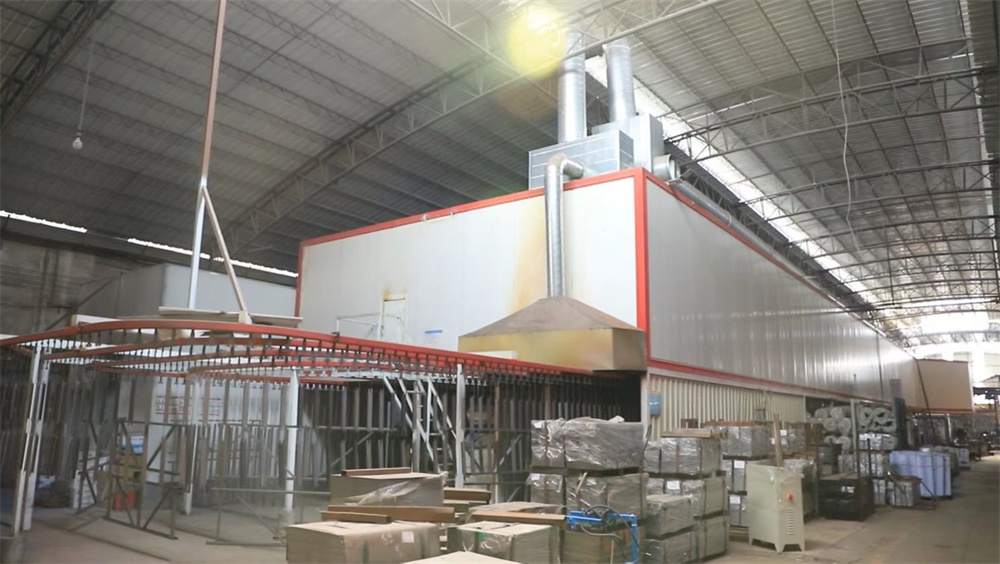
State-of-the-art automated electrostatic powder coating lines provide unparalleled corrosion resistance, particularly vital for cold chain applications.
From metallurgical validation to automated powder coating, every stage is audited by our certified QA team.
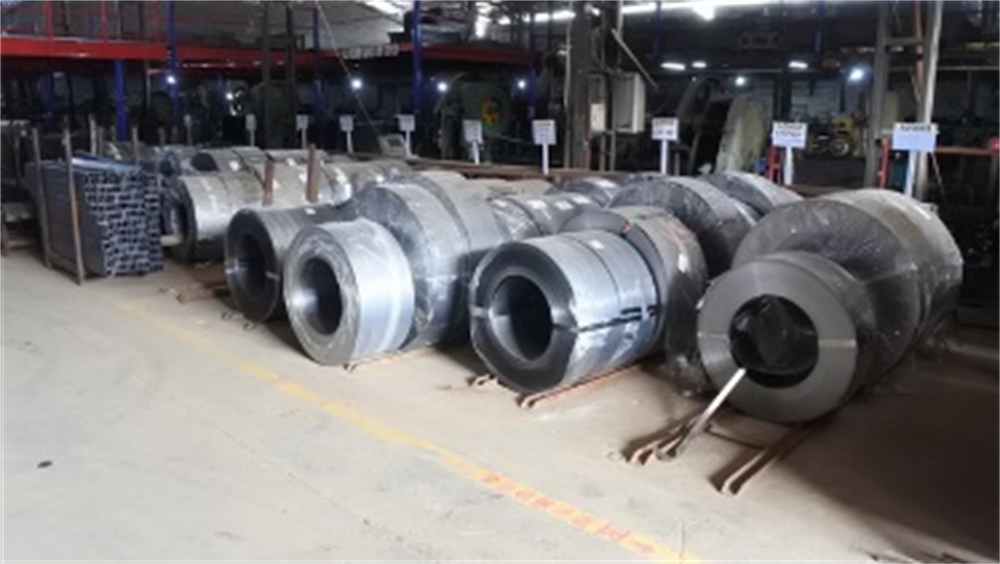
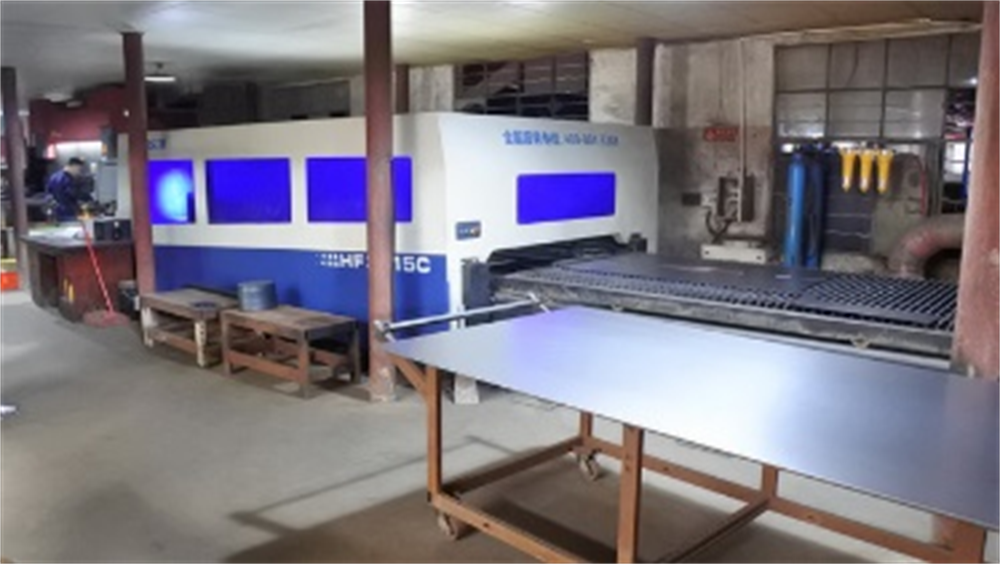
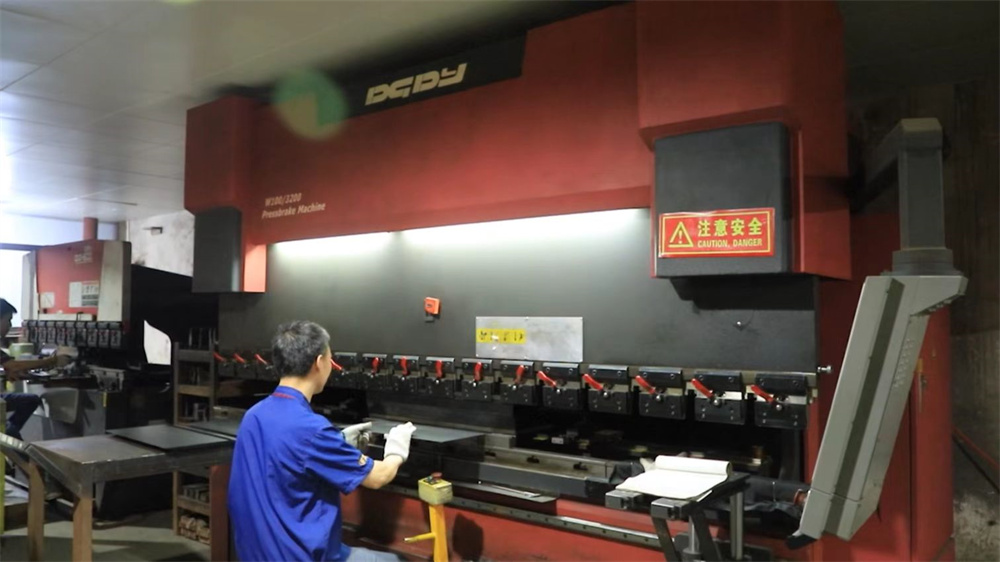
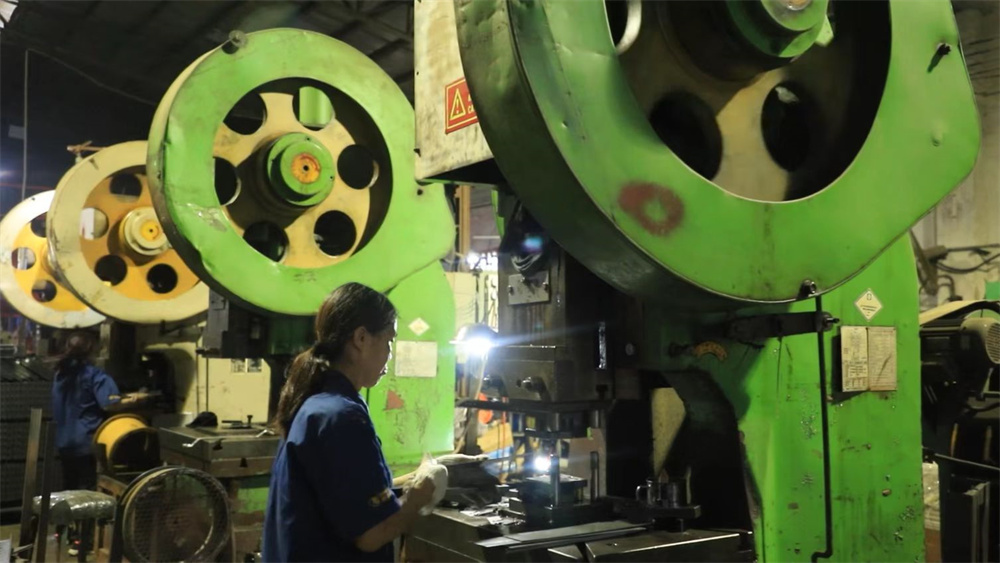
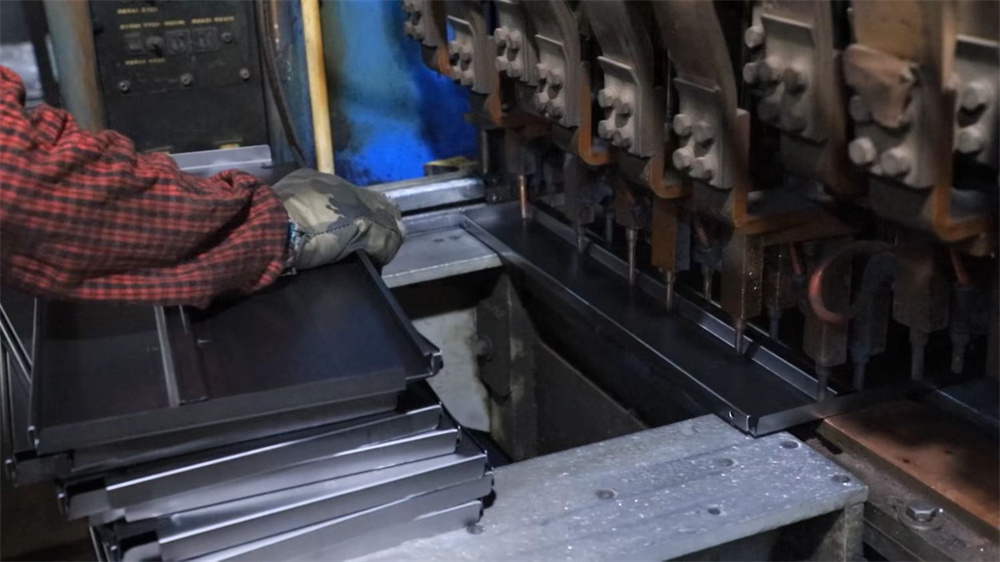
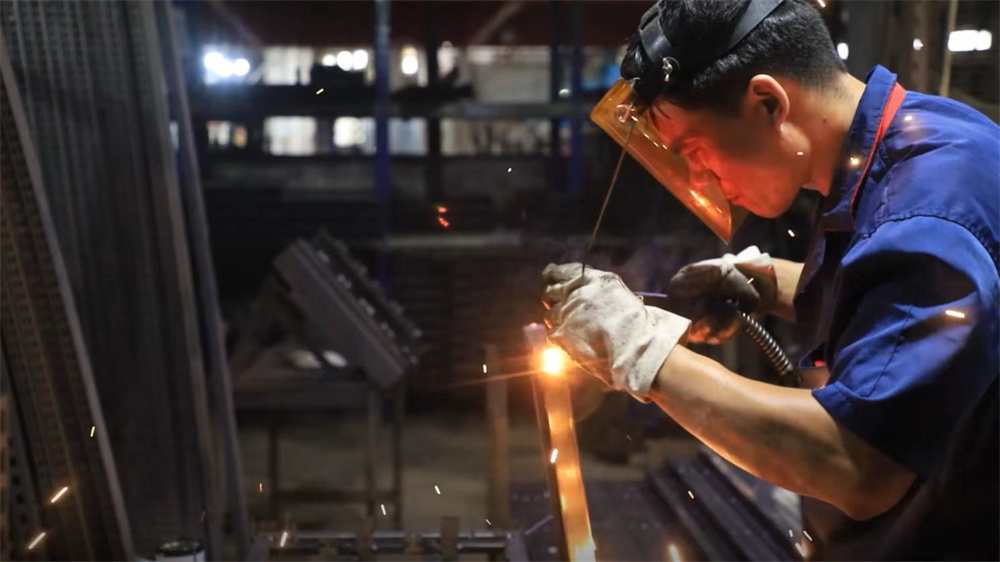
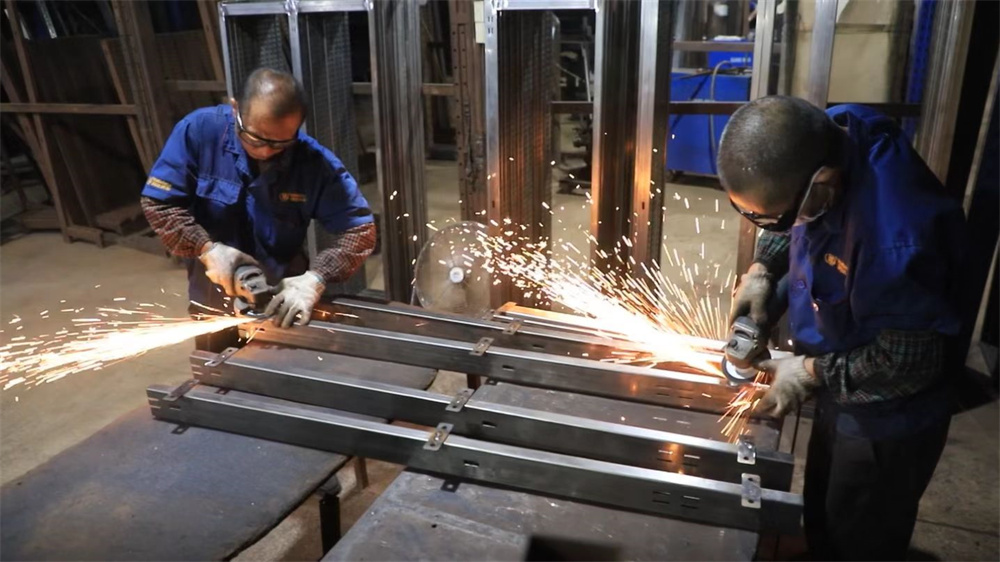
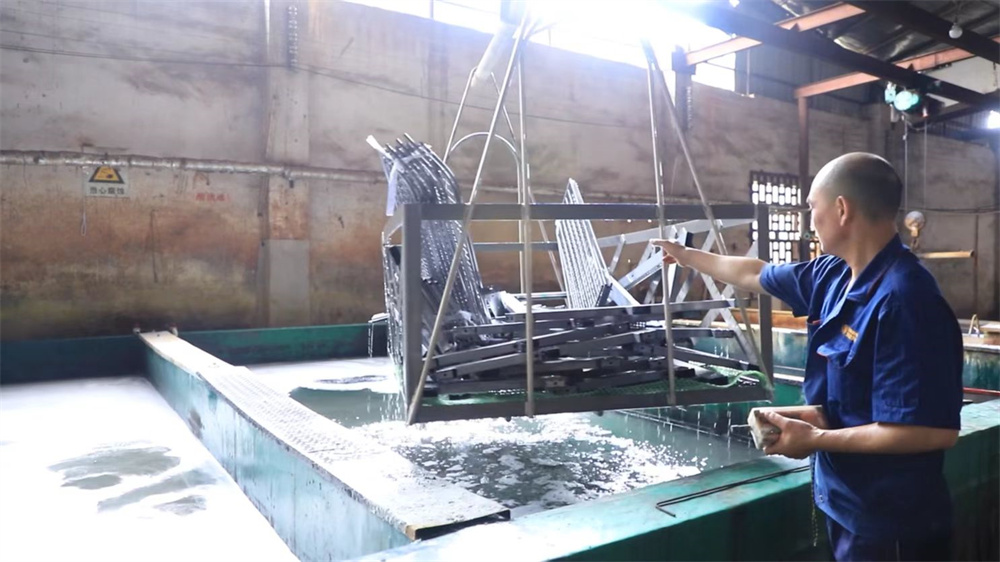
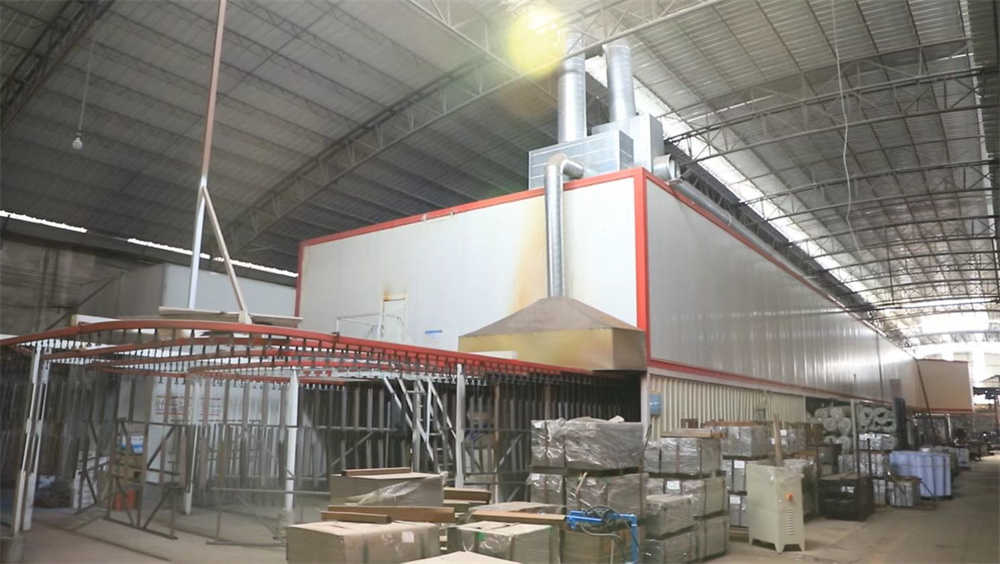
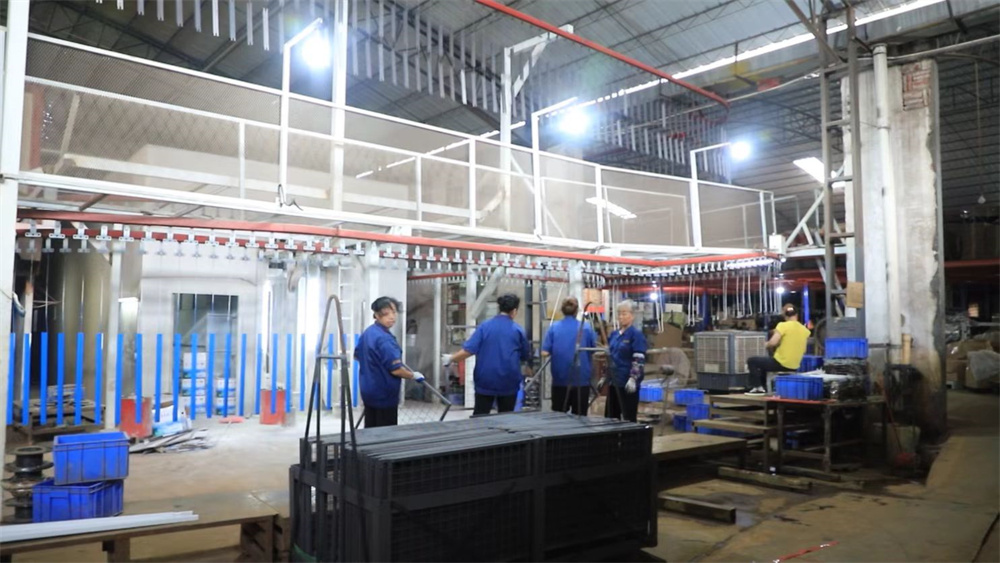
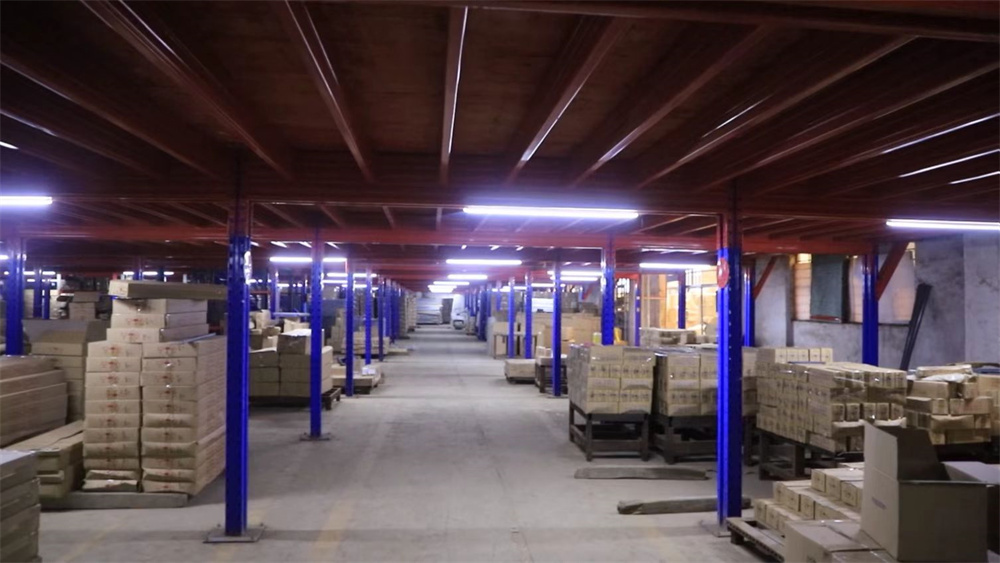
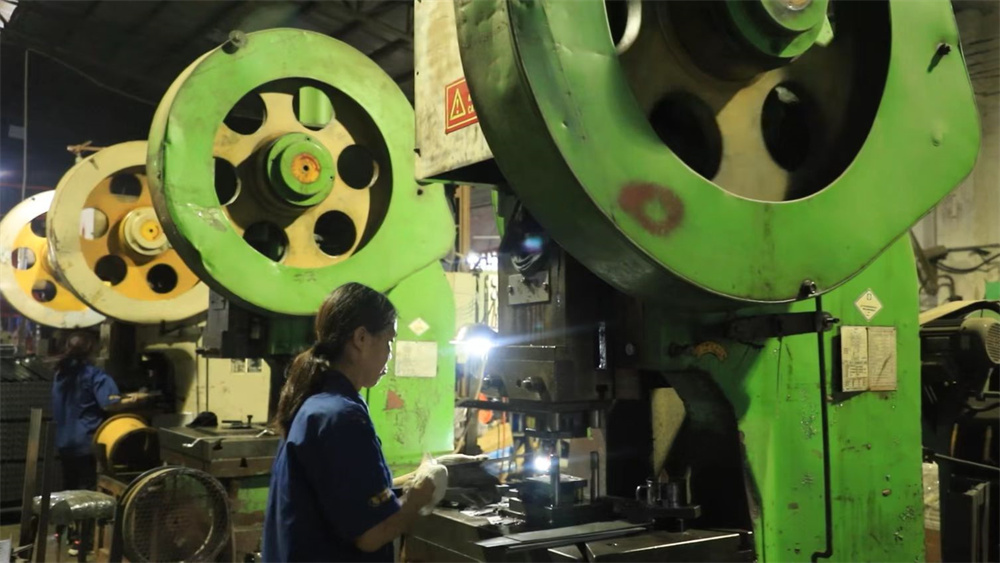
Our capital investment in high-precision automated hardware guarantees repeatable dimensional tolerances.
The engineering behind collision-resistant racking systems revolves around energy dissipation and localized structural reinforcement. Typical damage to storage systems occurs in the lower 1,000mm of the vertical frame upright. Standard cold-formed racking profiles exhibit localized buckling under load once deformed by external lateral impact.
To prevent localized buckling, Chengdu DriveRacks utilizes several structural innovations:
In high-seismic zones across Latin America (such as Chile and Peru) and Oceania (New Zealand), racking design must account for vertical and horizontal acceleration forces. Standard racking configurations cannot withstand the dynamic torque generated when thousands of tons of stored products sway during a seismic event.
DriveRacks engineers utilize advanced 3D FEA (Finite Element Analysis) software to simulate seismic waveforms on racking structures. By varying the position of bracing diagonals, horizontal nodes, and using oversized baseplates with dual concrete anchor points, we configure systems that maintain structural integrity during extreme earth movements. This capability is critical for large-scale enterprise warehouses and automated storage and retrieval systems (ASRS) operating globally.
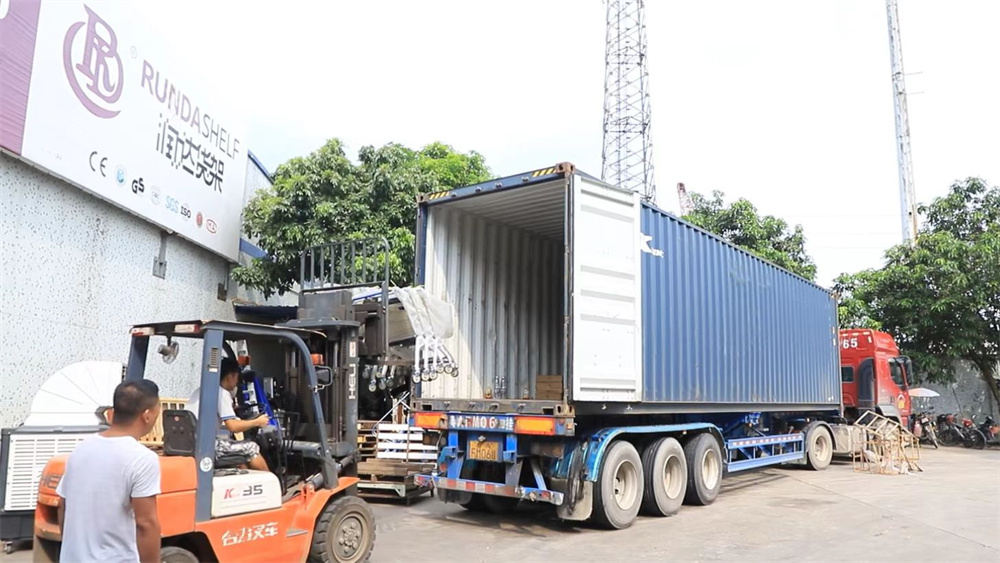
Managing custom OEM racking distribution at an international scale requires rigorous export management, secure container packing, and compliance documentation. Chengdu DriveRacks maintains a robust export operation that delivers over $35 million in annual cross-border trade.
Our raw materials undergo strict testing prior to production. Components are packaged with protective padding, steel strapping, and custom crating to prevent movement and damage during long-distance shipping. Additionally, we provide localized compliance support, ensuring that import customs clearance documents, structural calculations, and certificates of origin are meticulously compiled for quick processing.
As warehousing transitions to high-velocity automation, the demand for "intelligent" infrastructure grows. DriveRacks is actively developing next-generation racking systems integrated with industrial IoT sensors. By embedding microscopic strain gauges and acceleration sensors into high-stress frame areas, our systems will detect forklift impacts and structural changes, instantly notifying warehouse managers via cloud platforms. This proactive approach facilitates real-time safety monitoring, helping prevent progressive structural issues before they occur.
Furthermore, we prioritize environmental sustainability in our manufacturing. Our automated powder-coating processes include advanced wastewater filtration systems that recycle up to 95% of water usage. We also utilize low-temperature curing thermosetting powders to significantly reduce natural gas consumption and greenhouse emissions during production, aligning our operations with global carbon-reduction initiatives.
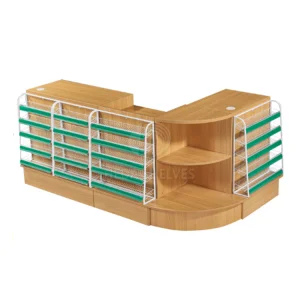
Explore our wider range of retail display setups, cashier systems, and heavy-duty industrial shelving.
In-depth insights into engineering standards, ordering processes, and safety parameters.
 DriveRacks