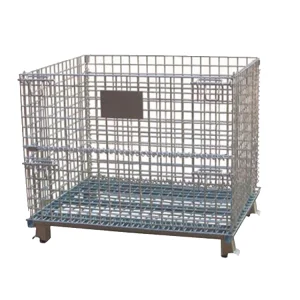
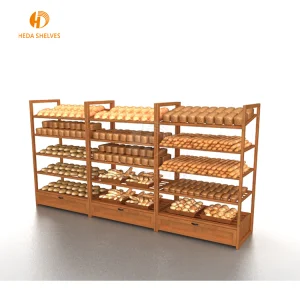
High-performance material handling, display, and shelving solutions engineered for high load capacity and structural reliability.
A premier global manufacturer specializing in high-density warehousing infrastructure and smart logistics solutions.
Established in 2017, Chengdu DriveRacks Industrial Technology Co., Ltd. operates a modern 42,000 m² manufacturing plant dedicated to advanced material handling and heavy-duty storage infrastructure. Delivering $35 million in annual export revenue, we bring 9 years of deep industry expertise and 6 years of international trade operations. Quality is integral to our process; our team of 30 certified inspectors executes rigorous raw material tensile testing and automated powder-coating thickness audits. Serving high-growth markets across the Middle East, Latin America, and Oceania, DriveRacks leverages a robust ecosystem of 1,200 supply chain partners. We primarily serve enterprise warehouse operators, e-commerce fulfillment hubs, and heavy equipment manufacturers. Powered by 110 skilled R&D engineers focusing on smart automation and high-density racking design, we released 250 dynamic product iterations last year and provide comprehensive customization spanning rack dimensions, seismic ratings, and surface treatments.
Medium duty storage shelving is a highly versatile classification within the material handling industry. Typically designed to accommodate loads ranging from 200 kg to 800 kg per shelf level, these systems act as the primary operational backbone for warehouses that handle manual loading, carton-picking, and high-turnover SKUs. Unlike heavy duty pallet racking, which requires forklifts for loading, or light-duty shelving, which is restricted to small retail goods, medium-duty storage offers the optimal combination of load capacity, stability, and ease of access.
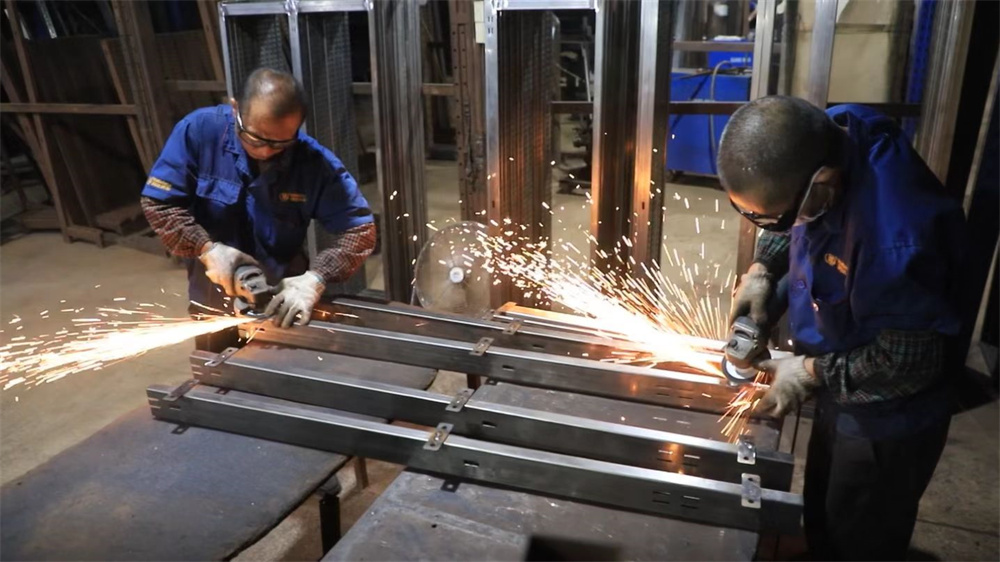
The reliability of any storage system begins with its materials. At DriveRacks, we utilize Q235B cold-rolled steel, recognized in international engineering codes for its exceptional yield strength and structural ductility. Our manufacturing process ensures that upright frames and beams undergo precise profile forming, maximizing load capacity while minimizing structural weight. Key structural elements include:
The global dominance of China-based manufacturers in the material handling industry is driven by specialized regional industrial clusters. Chengdu, as a key industrial hub in West China, offers direct access to large-scale steel production facilities and advanced technological resources. This geographic localization delivers distinct advantages for global procurement departments:
By leveraging an ecosystem of 1,200 supply chain partners, DriveRacks eliminates the volatility of raw material price hikes. We purchase steel coils directly from major national steel mills, ensuring material consistency and chemical trace compliance according to ASTM and EN standards.
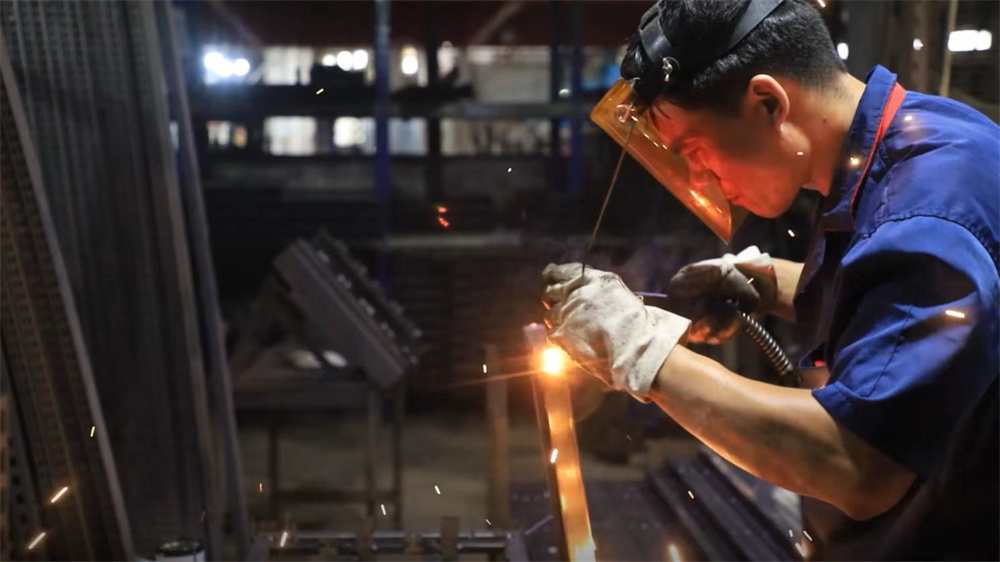
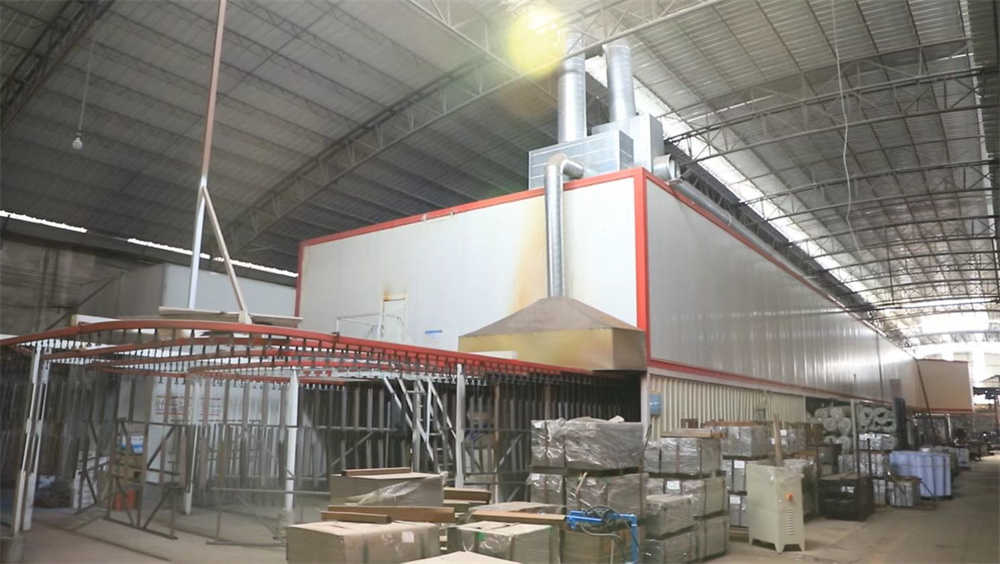
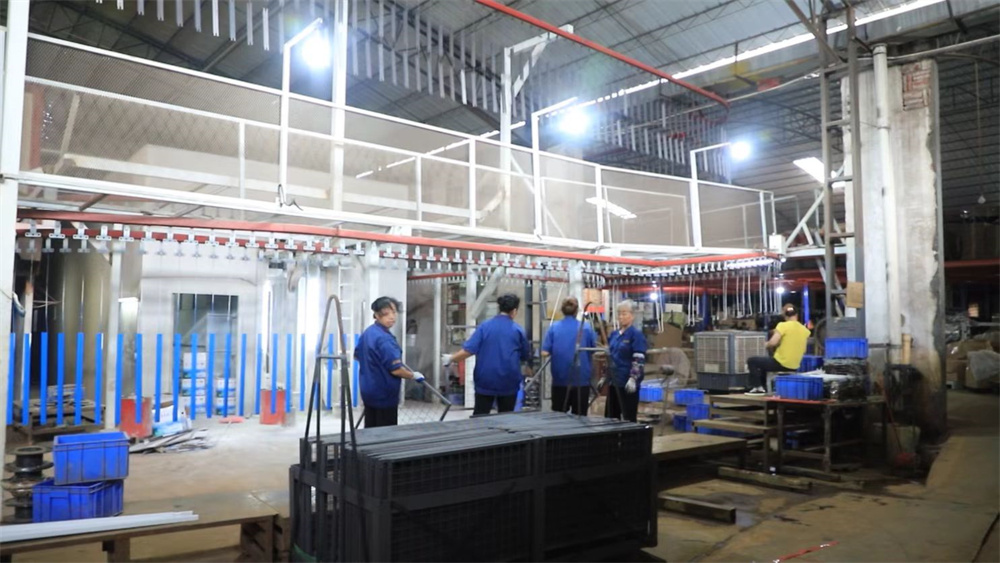
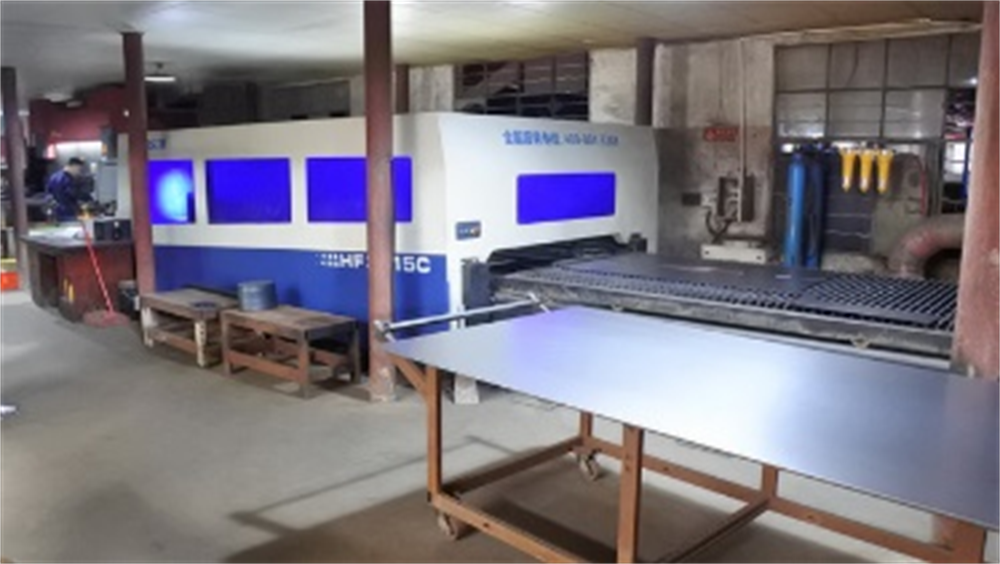
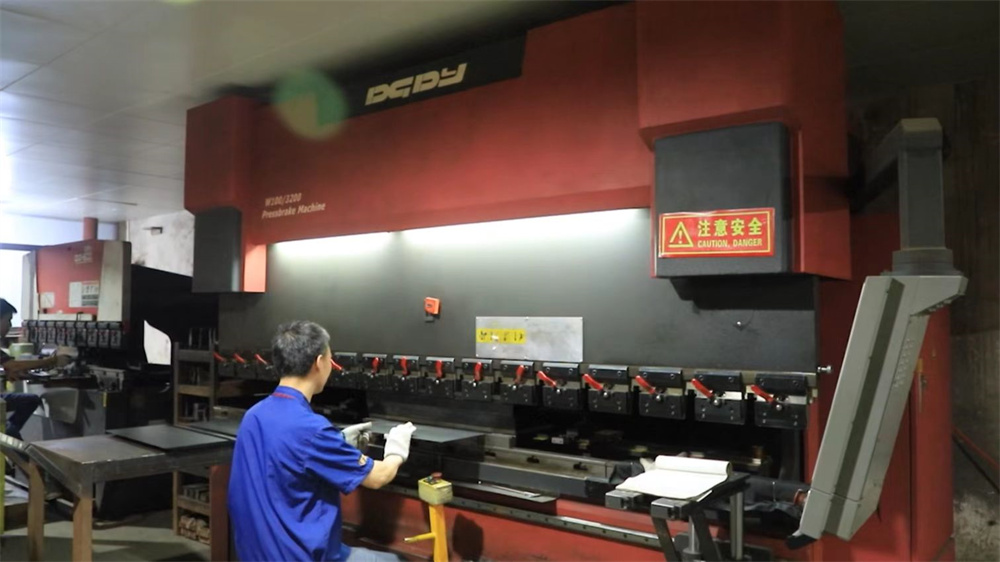
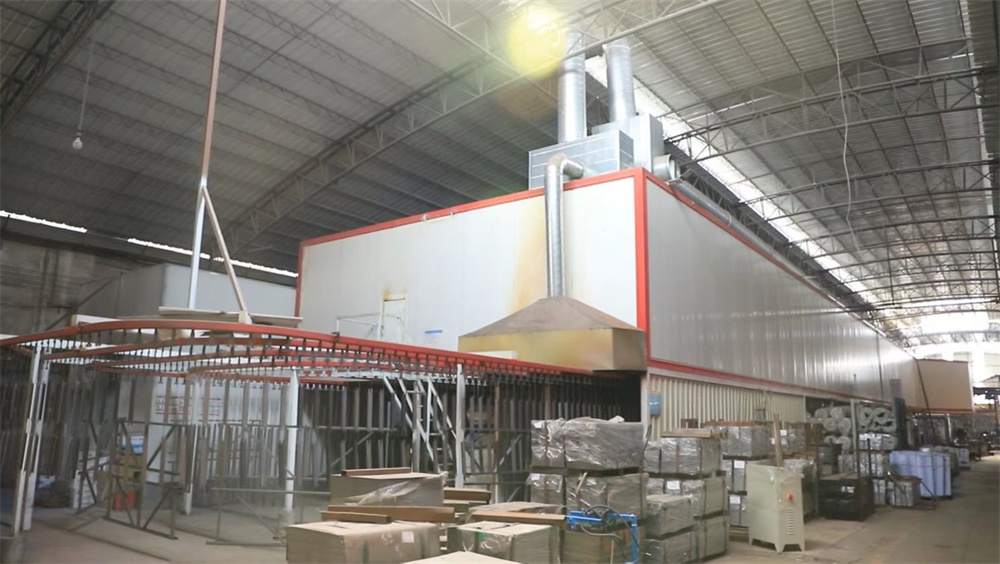
The transition from traditional metal fabrication to smart automation allows us to deliver high precision at scale. Automated robotic welding systems eliminate human variance, providing full-penetration structural welds that withstand decades of operational fatigue. Our automated powder-coating lines apply a protective layer of 60 to 80 microns thickness, passing rigorous salt spray tests to ensure long-term corrosion resistance in humid or cold-storage environments.
For operations in Europe and Central Asia, Chengdu’s terminal location on the China-Europe Railway Express provides a massive logistical advantage. Shipping times are reduced from 35-45 days by sea to just 12-15 days by rail, significantly reducing lead times and capital lock-up for major warehouse installation projects.
One of the primary failure points for global storage procurement is the lack of alignment with local engineering codes. Storage structures are not simple steel frames; they are load-bearing engineering systems subject to building regulations, seismic design restrictions, and worker safety mandates. We address these complexities through comprehensive compliance support:
We model rack behaviors under dynamic loads based on RMI (Rack Manufacturers Institute) and AS4084 guidelines. Our engineers modify baseplate dimensions, upright thickness, and bracing angles to withstand site-specific seismic coefficients.
For European buyers, our racking structures adhere strictly to FEM (Fédération Européenne de la Manutention) 10.2.02 codes. This ensures structural calculations align with European safety factors and load-limit indicators.
We provide localized engineering support, including static calculations, deflection limits, and safety factor calculations, enabling local building code approvals.
As warehouse real estate costs increase globally, operations are moving away from dedicated single-purpose storage systems. Modern buyers prioritize flexibility. Here are the core design trends shaping the medium-duty storage industry:
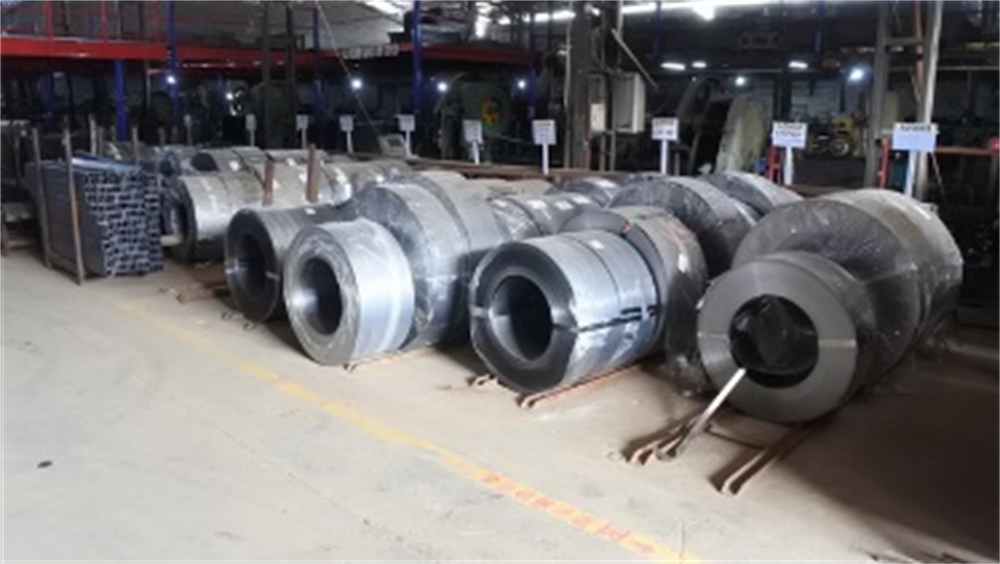
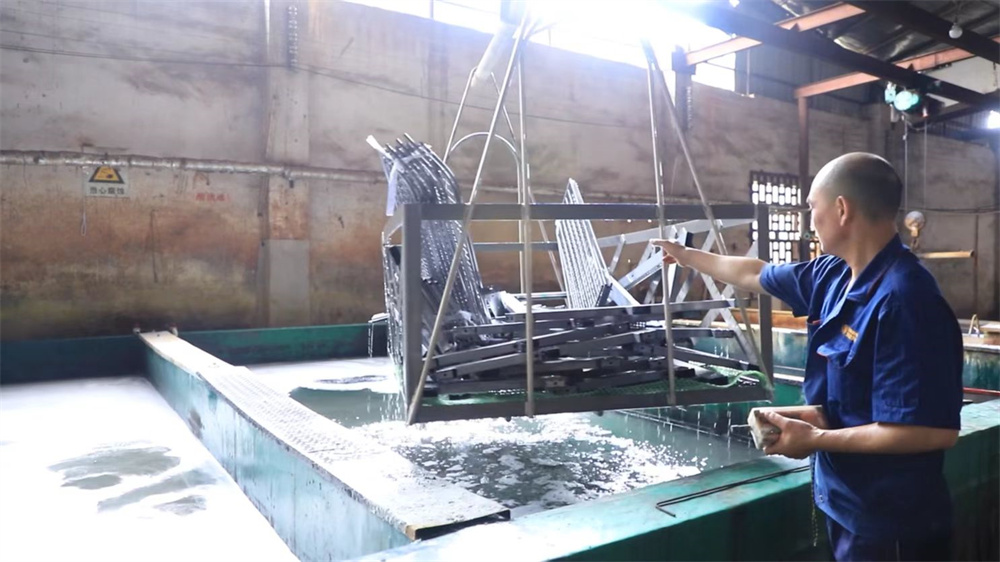
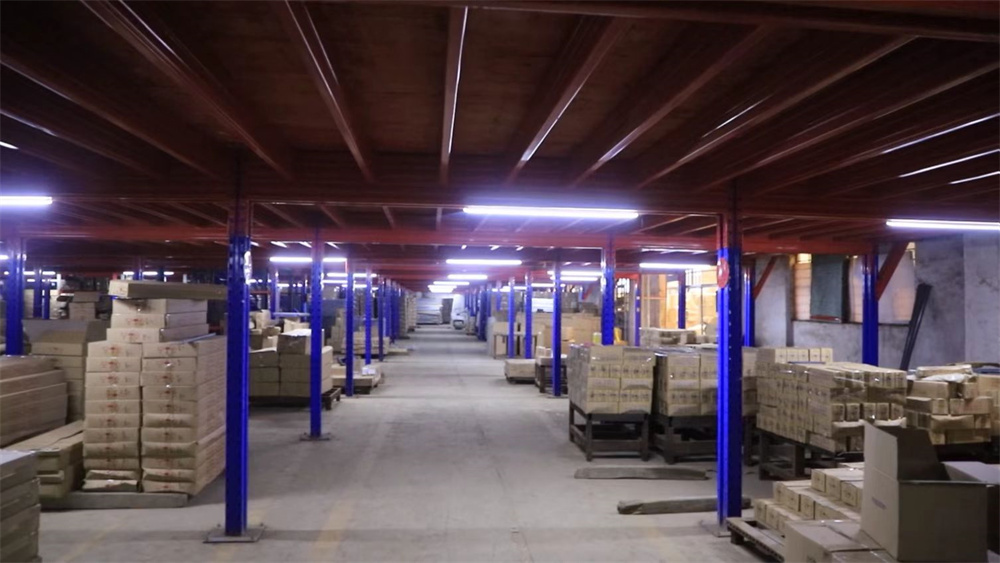
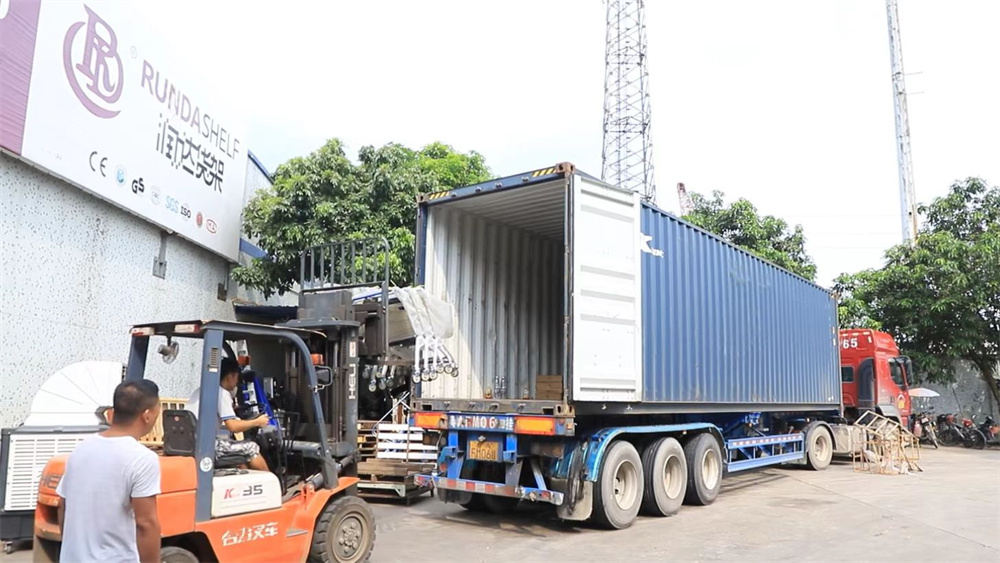
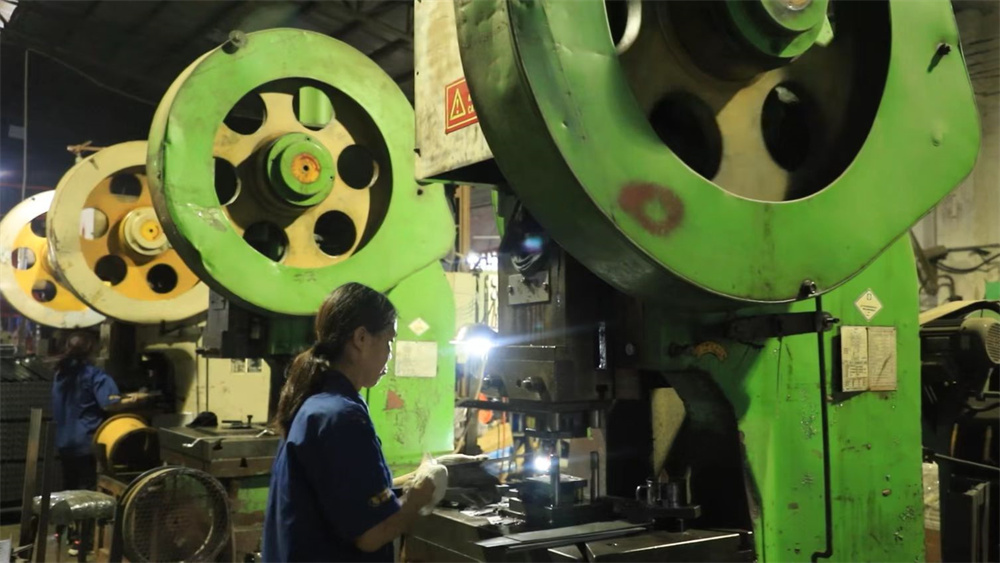
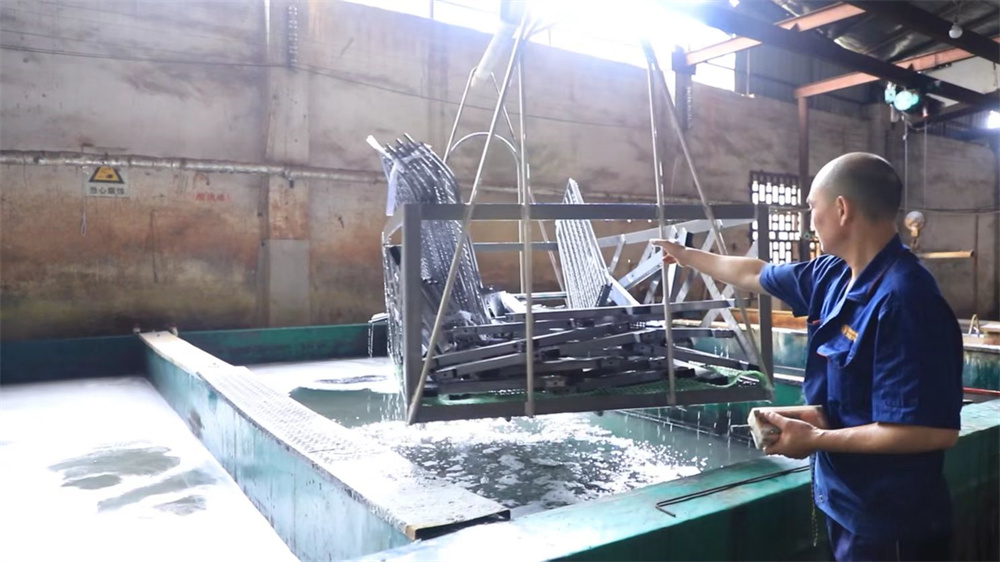
A visual tour of our production sequence from raw steel coil to finished, structural-grade storage components.
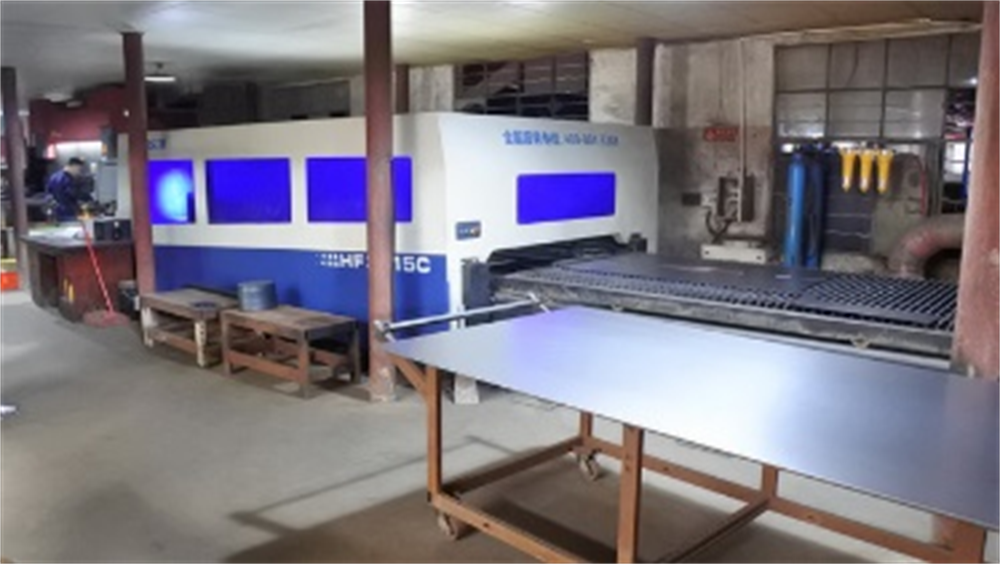
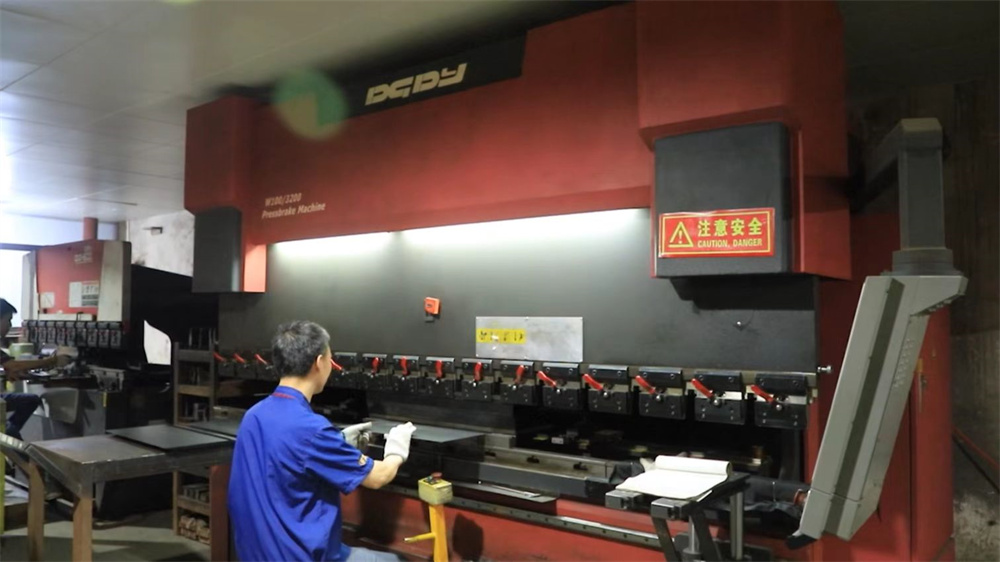
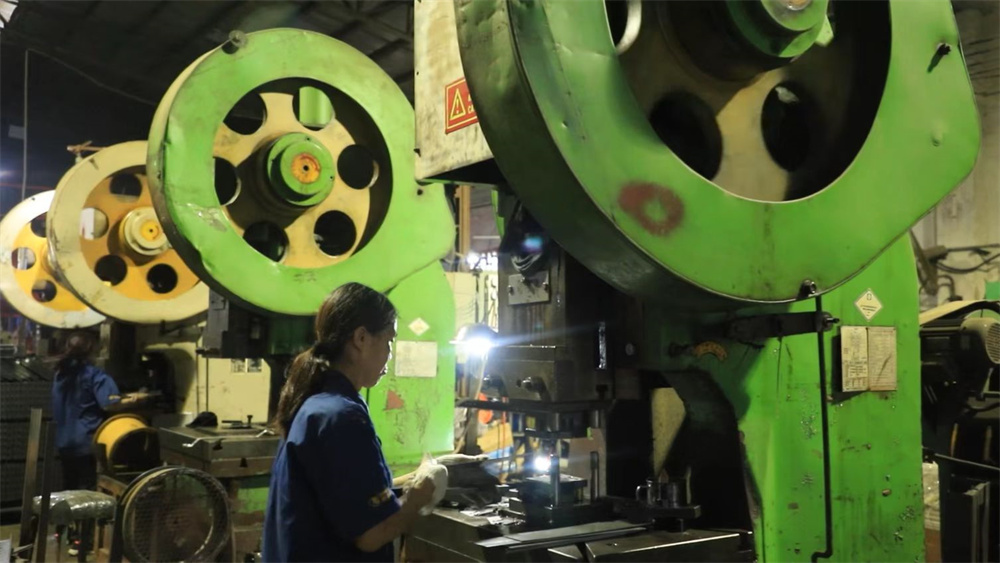
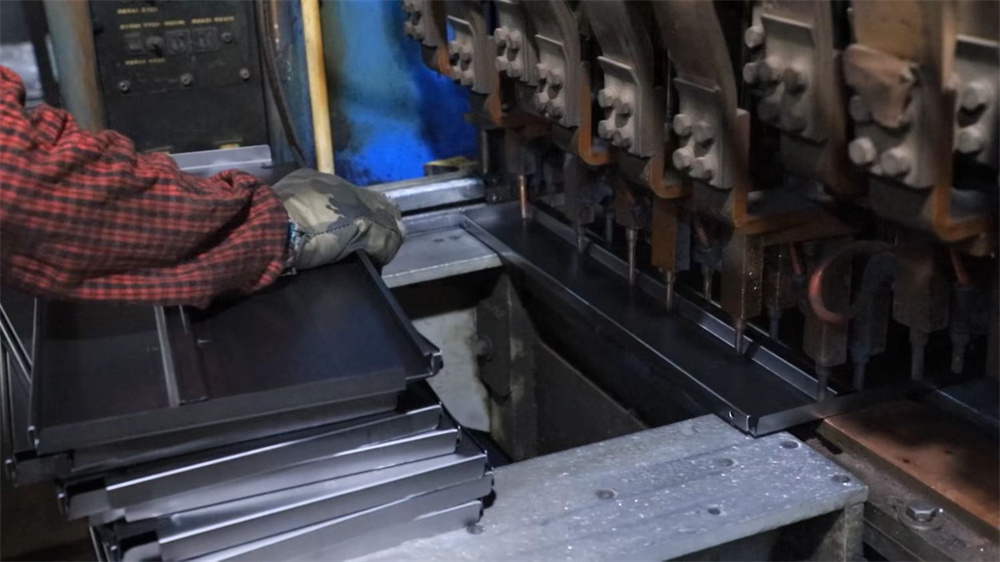
Technical answers to critical questions commonly raised by engineering, procurement, and warehouse operation leads.
According to standard material handling guidelines, the acceptable deflection limit for steel shelves and beams under uniform load is L/200 (where L is the clear span of the shelf beam). Under maximum loading conditions, the shelf must not bow more than 0.5% of its total span to remain structurally safe and compliant.
Q235B carbon structural steel offers a high yield point (235 MPa) and excellent elongation qualities, making it ideal for the roll-forming process. The material exhibits structural flexibility, allowing the storage racking to bear dynamic stress caused by rapid hand-loading or forklift vibrations without crack propagation.
Unshielded steel deteriorates quickly in high humidity. Our automated powder-coating lines apply an electrostatic epoxy-polyester treatment. This provides a hard surface barrier resistant to chemical cleanings, forklift impacts, and environmental oxidation, extending operational lifetimes past 15 years.
Yes. Seismic mitigation requires custom baseplate sizes, heavy-duty floor anchor bolts, and additional diagonal bracing across the rear frame faces. By distributing lateral ground accelerations through structured support frames, we reduce catastrophic structural failure risks.
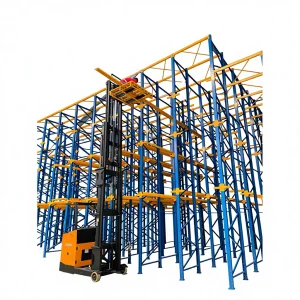
High-capacity automated solutions, heavy-duty structural designs, and custom transport cages for large-scale storage.
 DriveRacks