Engineered for cold storage, manufacturing, and third-party logistics hubs across South Korea.
Understanding the spatial limits, land premium inflation, and logistical paradigms shaping modern storage infrastructure in Gyeonggi-Incheon-Seoul.
The Seoul Capital Area (SCA) - encapsulating Seoul, Incheon, and the surrounding Gyeonggi province - accounts for over 50% of the South Korean population and drives the lion's share of national e-commerce volume and manufacturing output. Consequently, the region faces an unprecedented premium on logistics real estate. Major warehousing submarkets like Yongin, Icheon, Gwangju, and Gimpo have seen industrial land valuations rise drastically over the last decade. As available zoning plots shrink, logistics managers, third-party operators (3PL), and cold storage enterprises are forced to optimize vertical and volumetric space. Drive-In racking technology has emerged as the most cost-effective and reliable solution for maximizing density under these conditions.
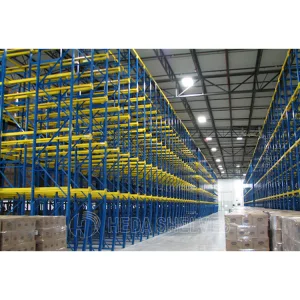
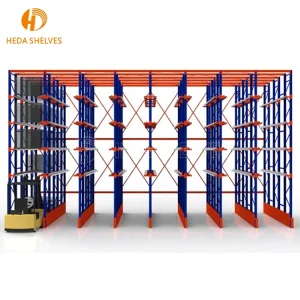
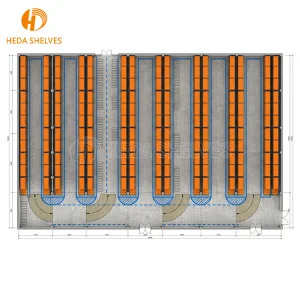
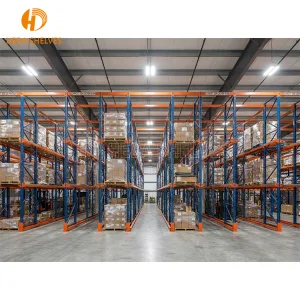
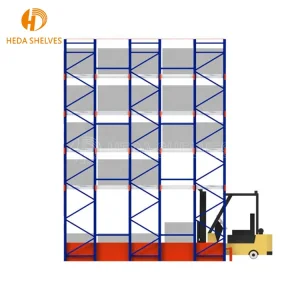
Unlike selective racking, which requires extensive forklift access aisles that consume up to 60% of available floor space, drive-in racking eliminates internal aisles. This layout allows forklifts to drive directly into the storage bays to deposit or retrieve pallets. For properties in the Incheon Free Economic Zone (IFEZ) or Seoul's Songpa district, transitioning from selective layouts to drive-in racks can increase warehouse capacity by up to 85% within the same footprint. This represents an enormous saving in overhead, heating, cooling, and tax liabilities.
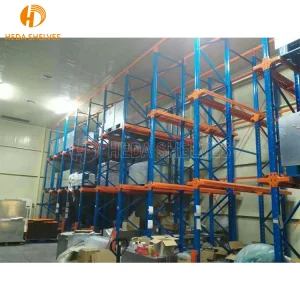
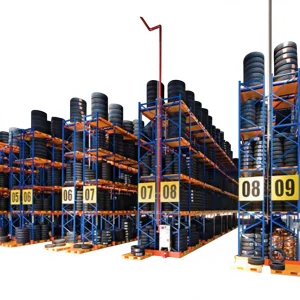
Korea's massive cold chain industry, heavily concentrated around Seoul to feed the metropolitan area's fresh food and biomedical demands, runs on extremely narrow operating margins due to massive energy bills. Cooling a vast open space is financially inefficient. High-density drive-in storage condenses target products, minimizing the volume of open air inside refrigerated zones. The physical concentration of goods reduces thermic transfer and optimizes temperature control, directly cutting electricity usage in sub-zero facilities.
Adapting steel grades, structural integrity, and seismic mitigation to align with the Korean Building Code (KBC).
Industrial storage systems are classified as structural systems by South Korea’s Ministry of Land, Infrastructure and Transport (MOLIT). The KBC (Korean Building Code) mandates strict seismic verification for rack structures exceeding 6 meters in height or storing heavy cargo. Furthermore, because drive-in racking systems lack structural beams across the aisles (which are kept open for forklift passage), they have different load path distribution and require precise calculations to prevent buckling.
| Technical Parameter | Standard Specification (Seoul Market) | Engineering Benefit & Compliance |
|---|---|---|
| Steel Grade | High-Tensile Cold-Rolled Q235B / Q355B (SS400 & SS490 equivalent) | Ensures yield strength up to 355 MPa; resists permanent deformation under dynamic forklift impact. |
| Seismic Performance | Designed in compliance with KBC (Korean Building Code) & FEMA 460 | Dynamic Finite Element Method (FEM) analysis applied to guarantee stability during seismic events. |
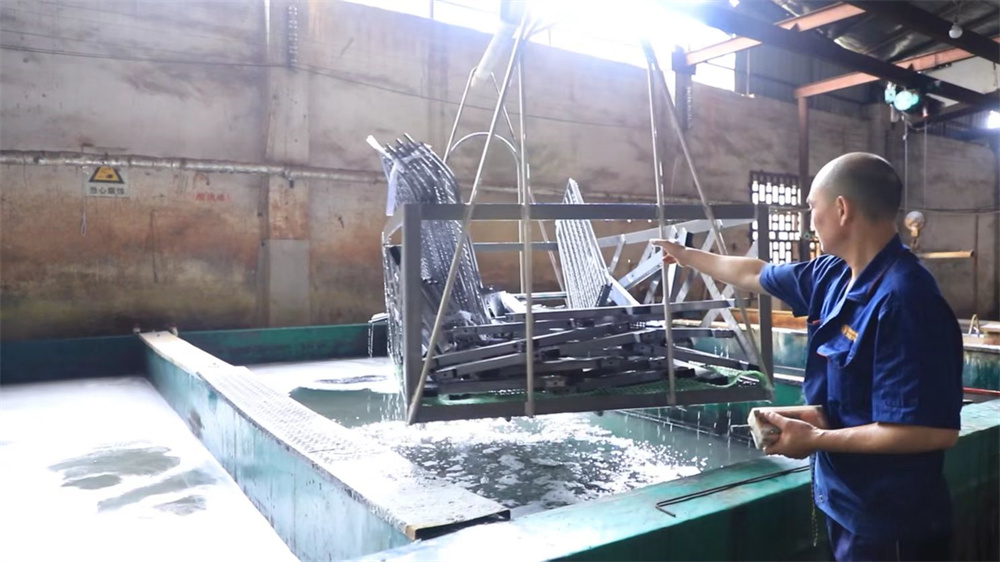
| Corrosion Protection | Automated Epoxy Powder Coating (thickness 80-120μm) / Hot-Dip Galvanized | Prevents moisture damage, essential for Seoul's sub-zero cold storage operations (-25°C). |
| Upright Profiles | 80mm, 90mm, 100mm, 120mm with custom punching pitches | Matches load capacities ranging from 800kg to 1600kg per pallet location. |
| Aisle Safety Accoutrements | Heavy-Duty Floor-Mounted Guide Rails, Column Protectors, and Backstops | Protects critical vertical frames from recurring structural impacts by forklifts. |
Our engineering division designs each drive-in rack configuration using state-of-the-art FEM software. By modeling the structural stress under full capacity and simulating local seismic forces, we ensure the structural safety of our systems. This thorough approach provides peace of mind to warehouse managers operating high-density installations in Seoul's busy logistics parks.
Delivering precision-manufactured steel structural systems globally with a focus on Korean industrial quality standards.
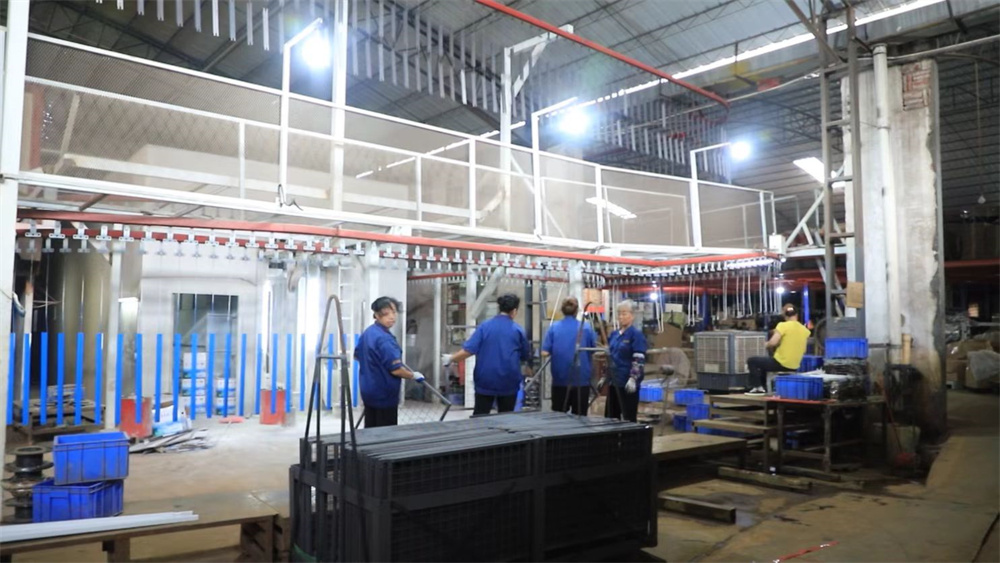
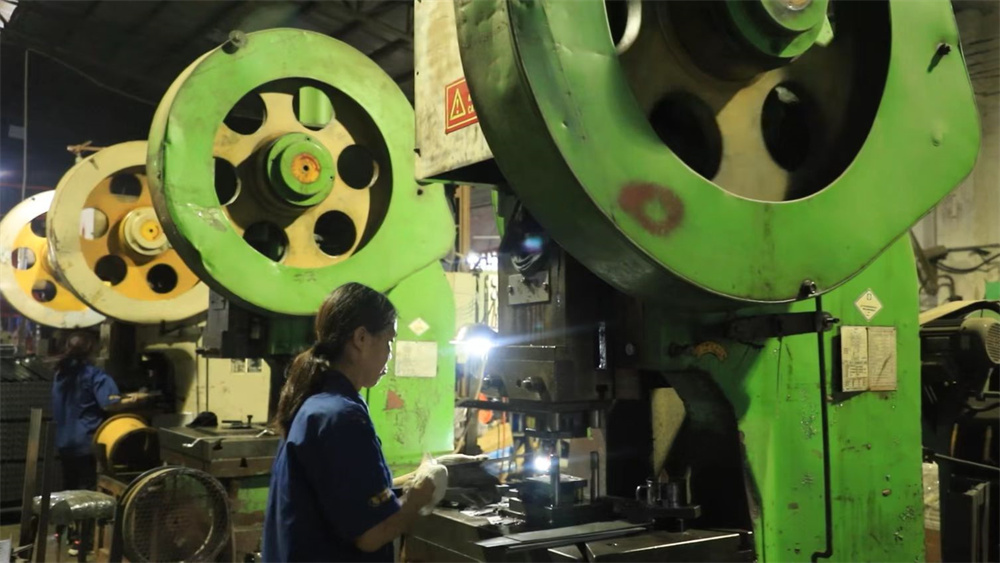
Established in 2017, Chengdu DriveRacks Industrial Technology Co., Ltd. operates a state-of-the-art 42,000 m² manufacturing plant dedicated to advanced material handling and heavy-duty storage infrastructure. Delivering $35 million in annual export revenue, we bring 9 years of deep industry expertise and 6 years of international trade operations. Quality is integral to our process; our team of 30 certified inspectors executes rigorous raw material tensile testing and automated powder-coating thickness audits. Serving high-growth markets across the Middle East, Latin America, and Oceania, DriveRacks leverages a robust ecosystem of 1,200 supply chain partners.
Powered by 110 skilled R&D engineers focusing on smart automation and high-density racking design, we released 250 dynamic product iterations last year. We provide comprehensive customization spanning rack dimensions, seismic ratings, and surface treatments. This extensive engineering support ensures that every warehouse project in the Seoul capital region is optimized for local conditions and compliant with all relevant structural regulations.
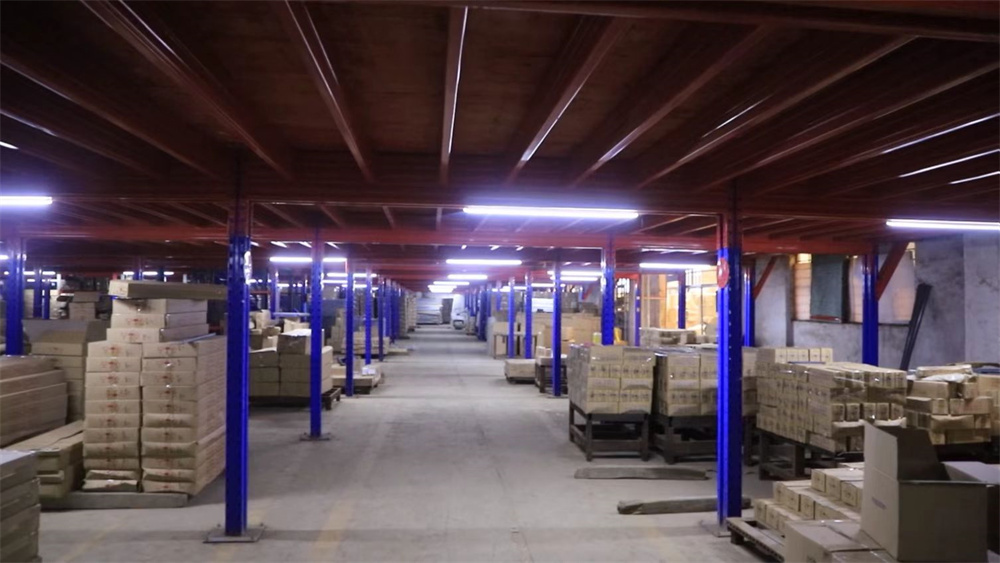
Every profile is tracked from raw material inspection through fabrication, finishing, and dispatch.
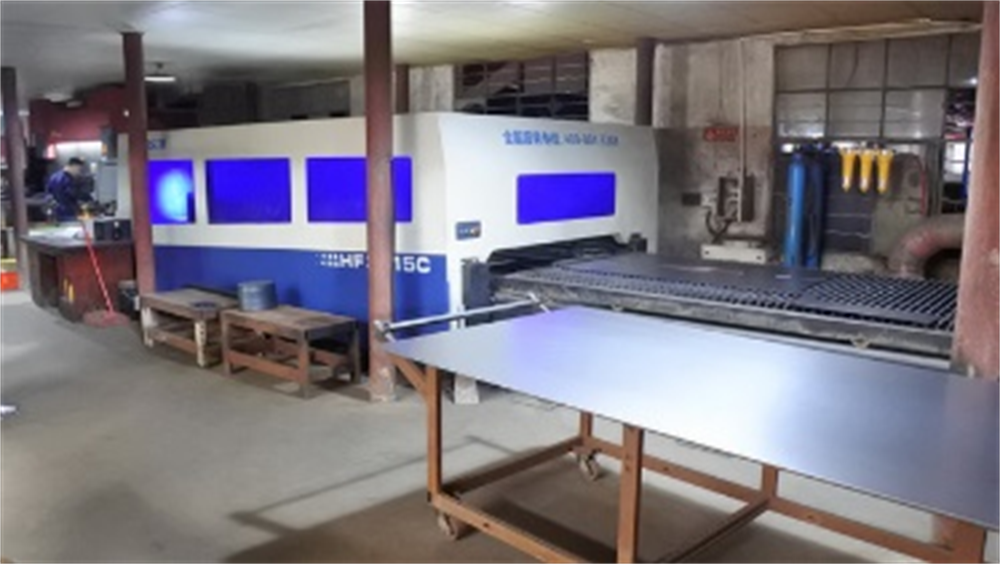
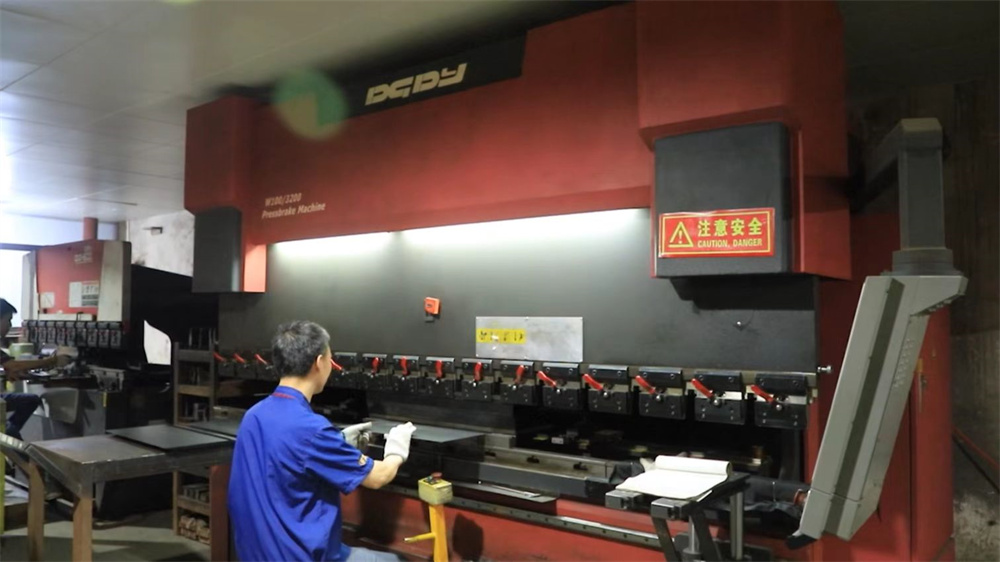
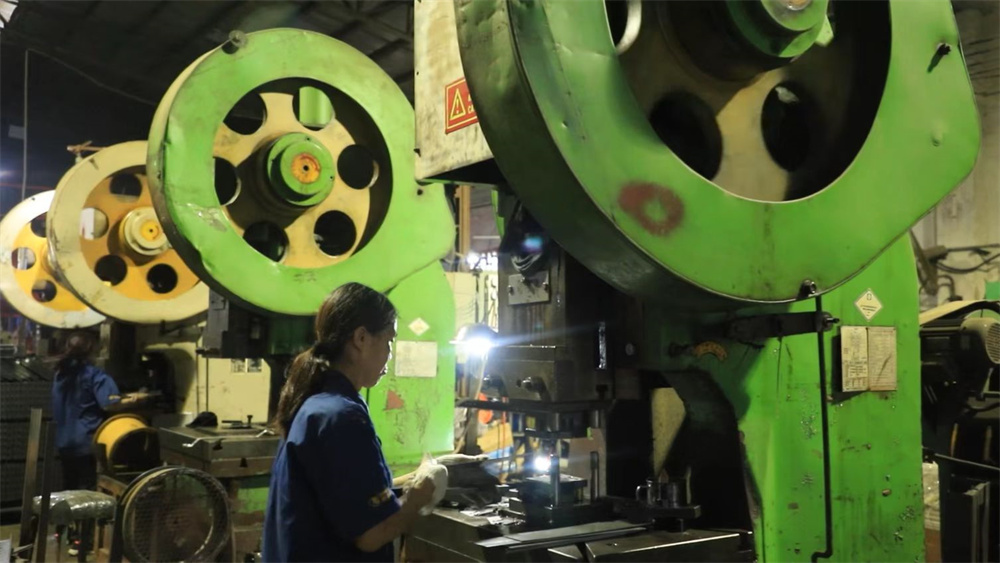
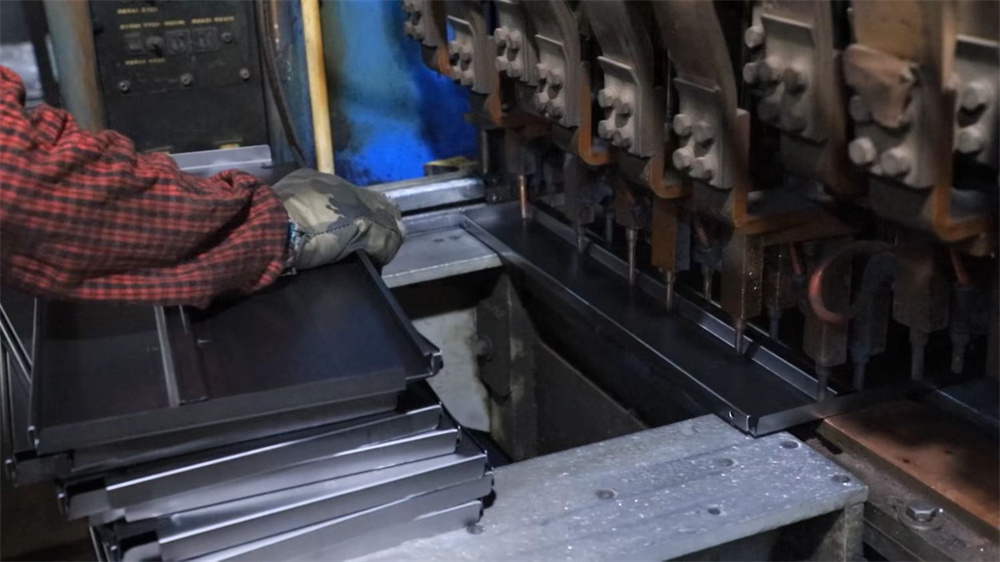
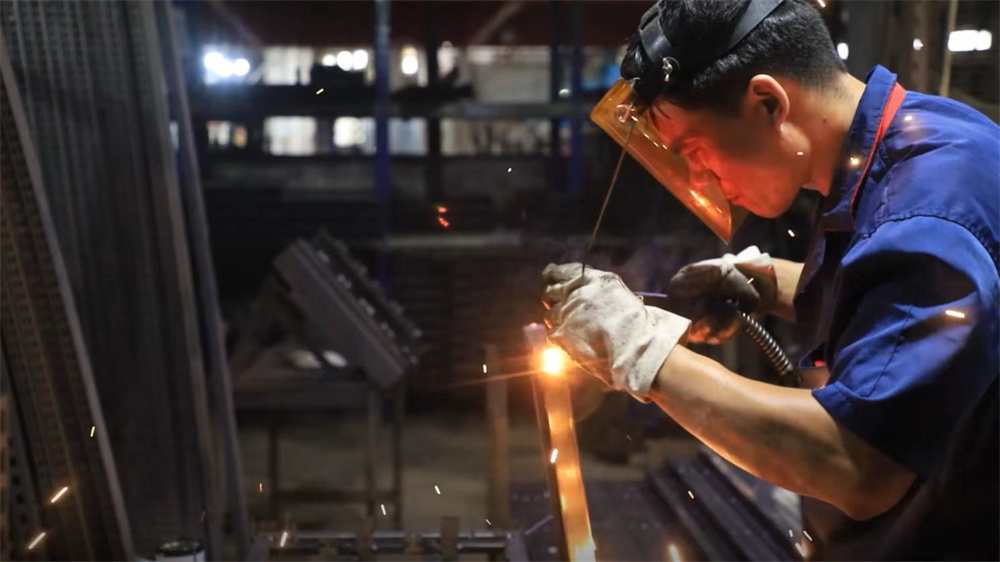
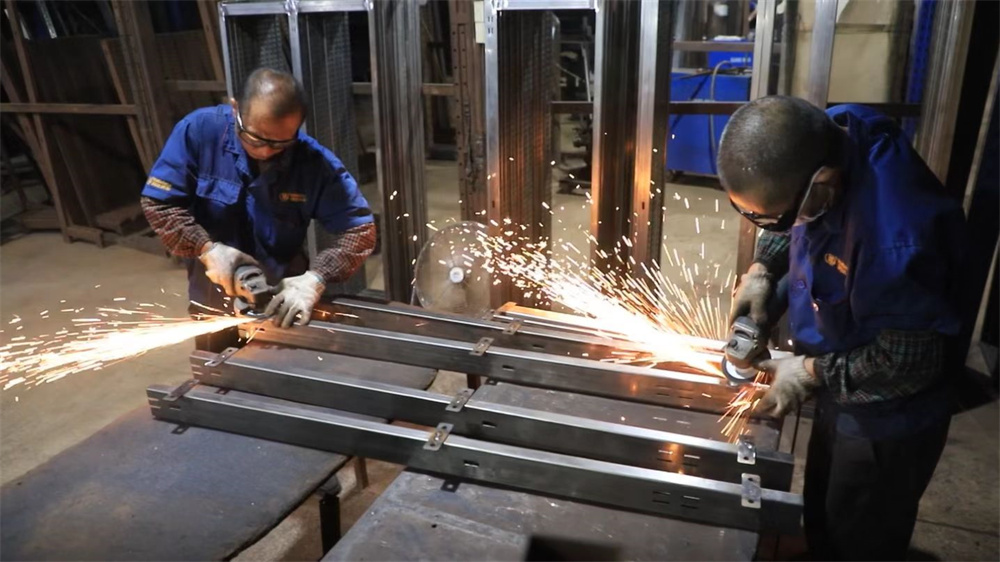
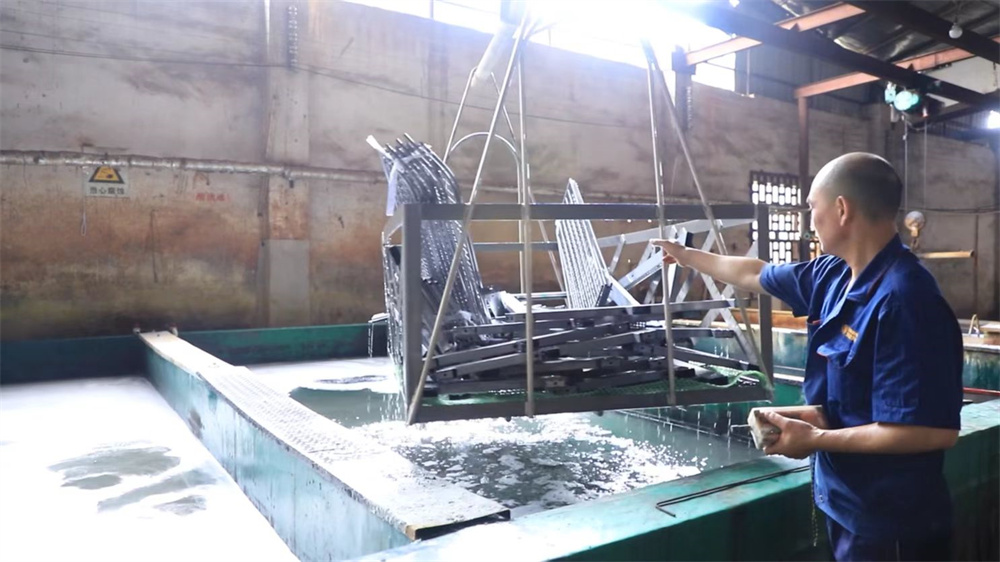
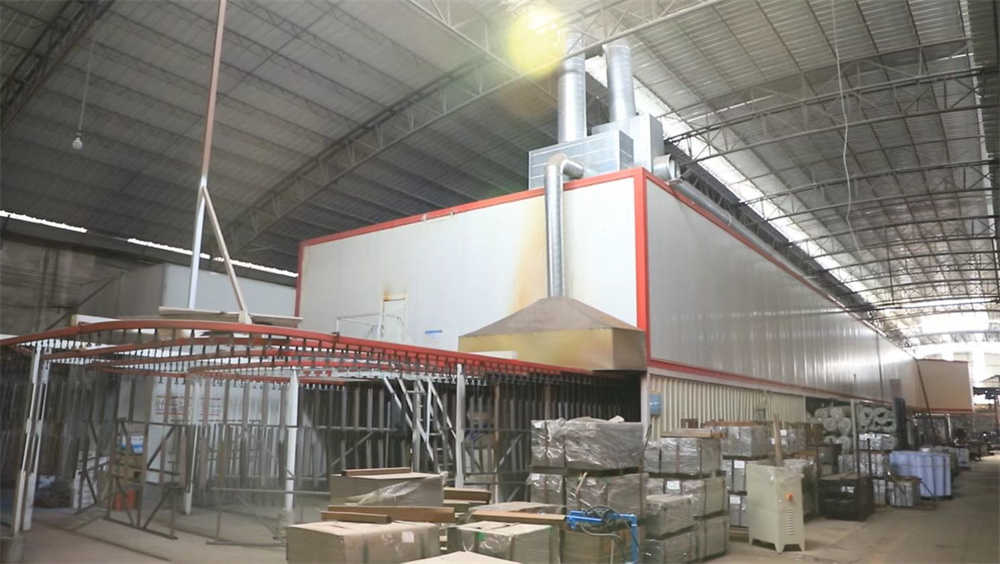
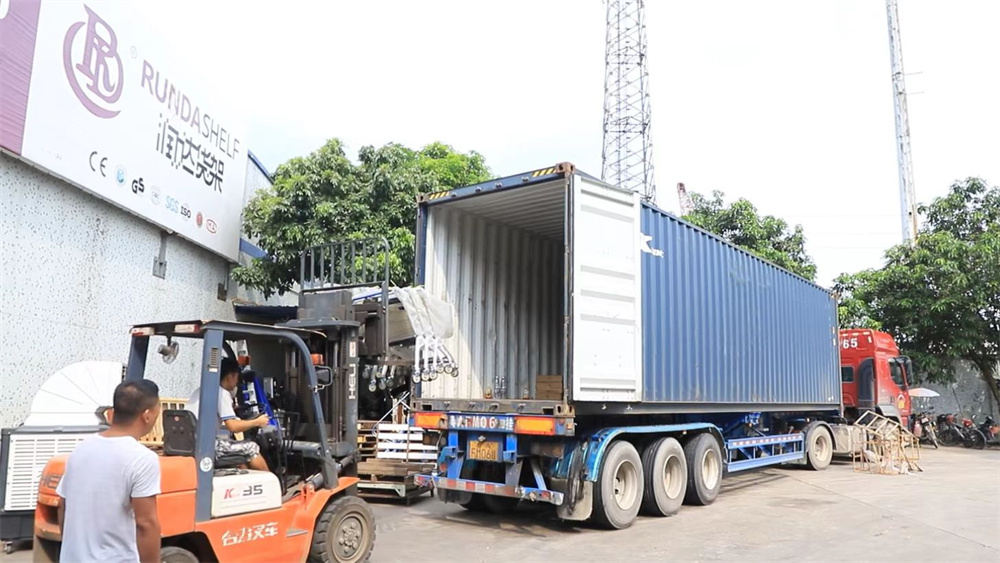
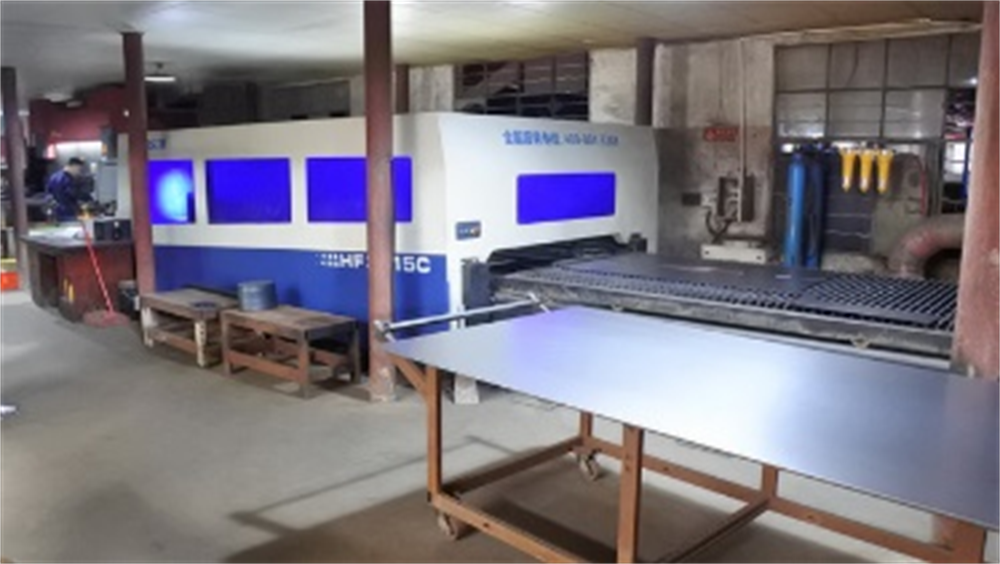
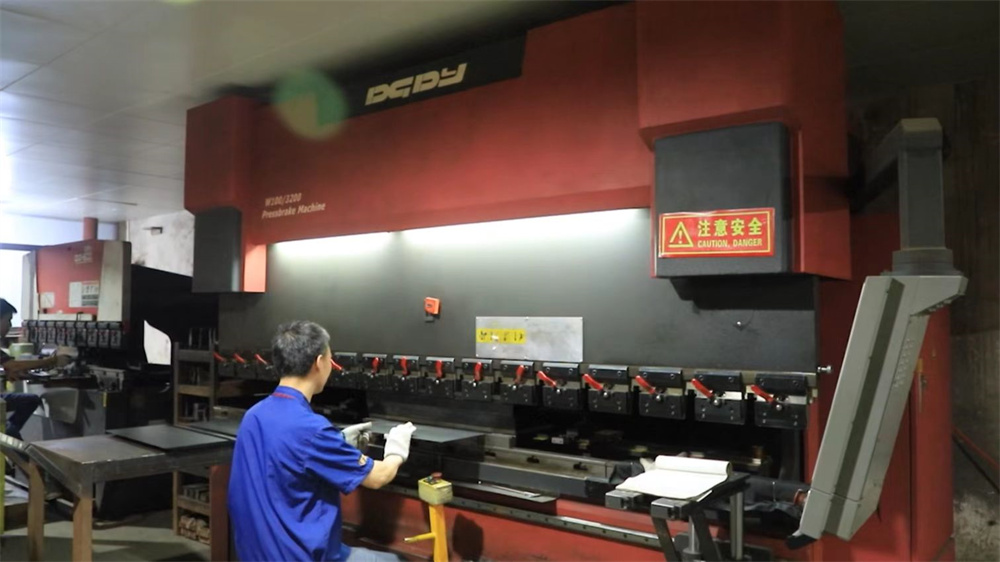
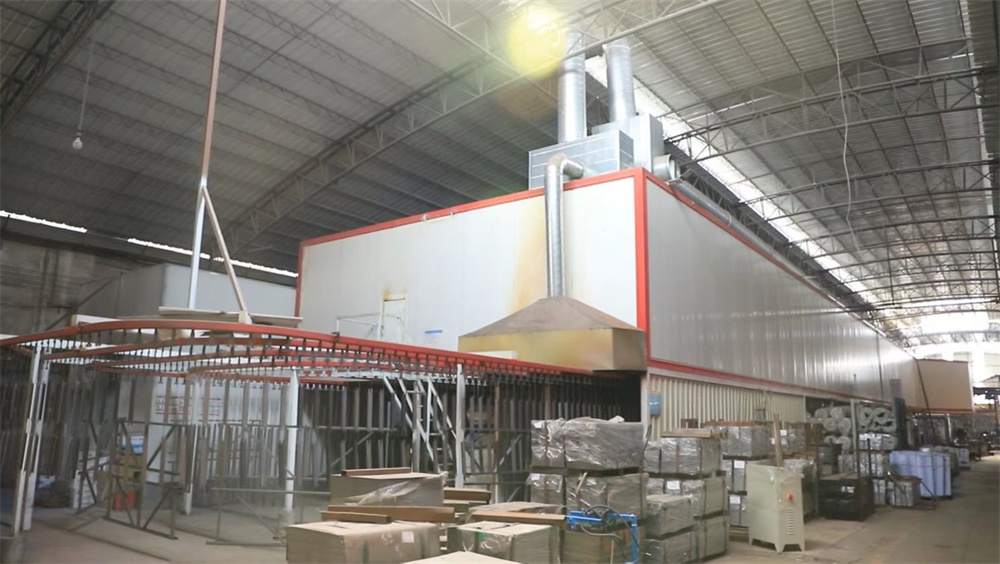
For South Korean procurement officers, freight transit times and shipping container rates are critical metrics when sourcing industrial racking. DriveRacks leverage Chengdu’s deep integration with China’s rail and maritime transport networks. Structural steel systems are shipped from our plant via optimal routes through Qingdao or Shanghai ports to Incheon Port or Busan Port, typically taking between 5 to 7 days on water. Under the Regional Comprehensive Economic Partnership (RCEP), custom declarations and tariffs between China and South Korea are highly streamlined, giving direct factory imports a clear financial edge over local sourcing.
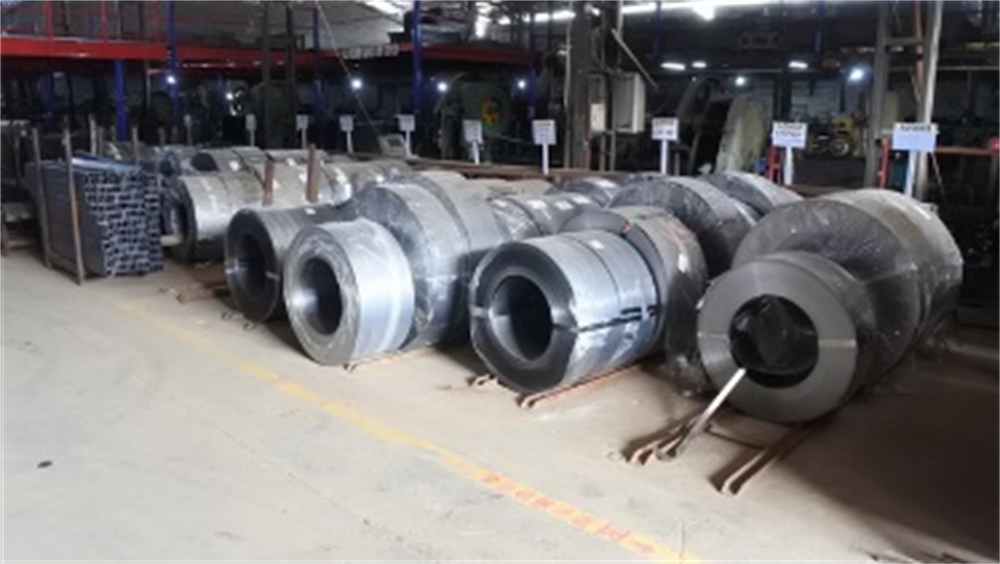
Our raw material supply chain consists of over 1,200 verified partners. This large pool of suppliers allows us to source high-grade steel coils at competitive rates, even during periods of commodity price volatility. This ensures stable quoting and reliable project budgets for our clients in Korea, avoiding sudden cost changes between design and installation phases.
Exporters and manufacturers providing certified racking to the Seoul Capital Area.
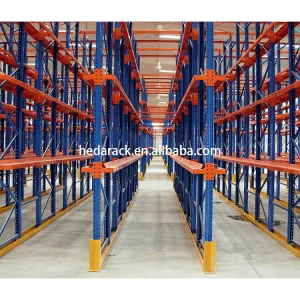
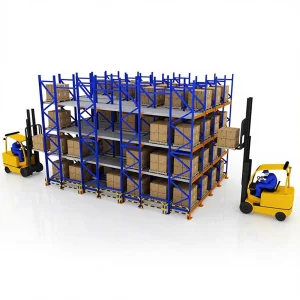
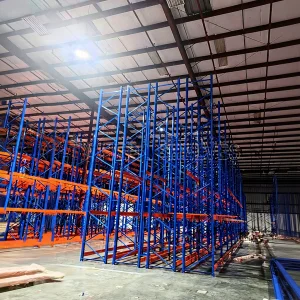
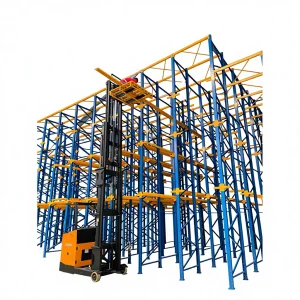
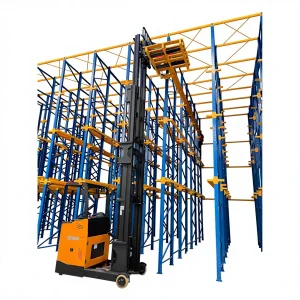
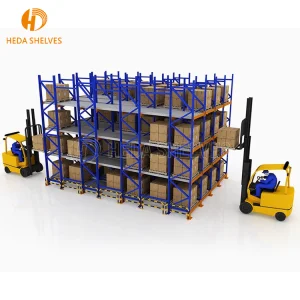
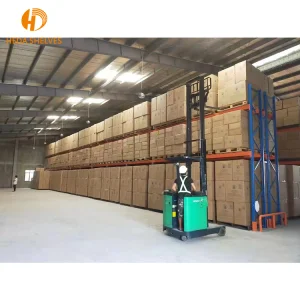
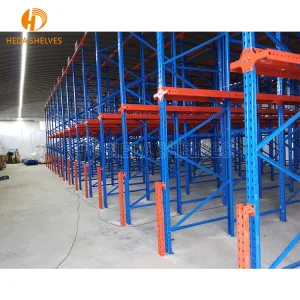
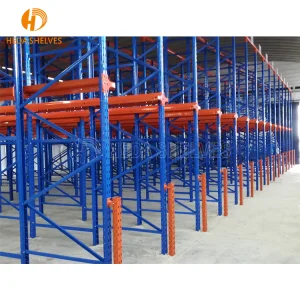
The Korean smart logistics market is rapidly adopting automated storage solutions. Traditional manual forklift drive-in racking is increasingly integrated with Automated Guided Vehicles (AGVs) and Laser Guided Vehicles (LGVs). This shift addresses rising labor costs and the demand for 24/7 dark warehouse operations in major cities like Gyeonggi-do.
To support this transition, DriveRacks engineering teams are actively designing racking tolerances that accommodate the millimeter-level precision required by AGV systems. Our automated systems feature precision guide paths, specialized lead-in guides, and dynamic sensor arrays. These components prevent alignment issues and ensure smooth pallet storage and retrieval, helping warehouses achieve high operational uptime.
Technical details, compliance standards, and order fulfillment for Seoul-based operations.
Our standard manufacturing lead time is 15 to 25 days, depending on project volume. Ocean shipping from Qingdao/Shanghai to Incheon or Busan requires an additional 5 to 7 days, allowing us to deliver to your site in Seoul in approximately 4 weeks.
Yes. We use advanced Finite Element Method (FEM) software to design our structures. Our engineers run dynamic structural calculations that account for the seismic acceleration profiles specified by Korean authorities, ensuring compliance with KBC standards.
We source high-grade Q235B and Q355B structural steel, which have properties matching SS400 and SS490 specifications under Korean standards. This material delivers excellent yield strength and elastic recovery, ensuring the safety of high-load systems.
Yes. Our automated electrostatic powder coating lines apply a heavy epoxy-polyester layer (80-120μm) that is cured at high temperatures. This finish prevents moisture absorption and surface oxidation, making it suitable for cold storage facilities in the Seoul area.
Our engineering team can customize all heights, bay configurations, lane depths, and upright profiles. We tailor these specifications to match your pallet sizes, forklift tolerances, and available floor space.
Partner with Chengdu DriveRacks for competitive factory pricing, KBC seismic compliance, and reliable supply chain support. Contact our engineering desk to request a layout concept.
 DriveRacks