High-capacity structural configurations custom-designed to match United States standard forklift profiles and pallet loading protocols.
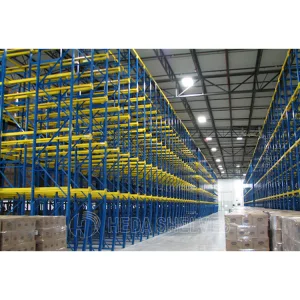
Strategic analysis of industrial real estate dynamics, material handling automation, and regional logistics pressures in the United States.
Across key United States distribution gateways—from California’s Inland Empire and the Dallas-Fort Worth Metroplex to the Chicago logistics corridor and the Port of New York & New Jersey—industrial real estate costs have surged dynamically over the past decade. Enterprise logistics managers face a dual squeeze: escalating per-square-foot lease rates and a highly competitive labor market. This macroeconomic pressure has made selective racking systems increasingly cost-inefficient for operations dealing with high-volume, low-SKU product inventories.
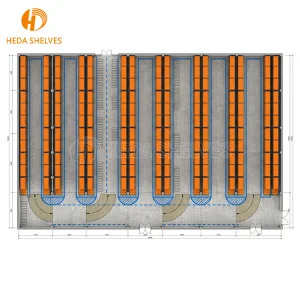
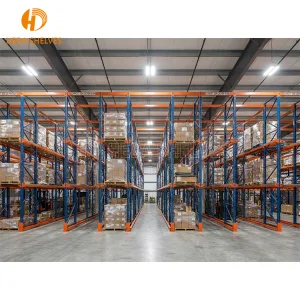
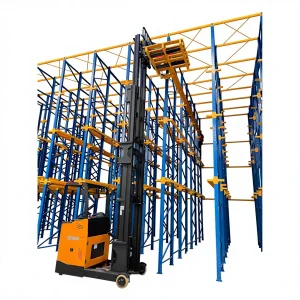
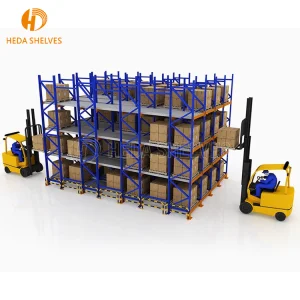
Implementing Drive-In Racking Systems provides a mathematically proven alternative, utilizing up to 75% more storage volume within the same physical footprint. By eliminating multiple access aisles required by traditional selective layouts, drive-in systems operate on a Last-In, First-Out (LIFO) inventory control flow. This configuration is particularly vital for the fast-growing United States cold storage sector and grocery distribution hubs, where temperature control demands compact, energy-efficient spatial layouts to mitigate heat-loss overheads.
For warehouse planning directors, optimization is defined by floor utilization rates. Below is a comparative overview of how drive-in rack architectures outperform conventional methods in standard US warehousing conditions:
Furthermore, the integration of automation and semi-automation within American distribution networks is redefining structural specifications. Modern drive-in setups must be engineered to handle faster forklift cycle times and resist the structural stresses associated with high-frequency loading sequences. Consequently, selecting a fabricator that utilizes certified raw materials and complies strictly with the Racking Manufacturers Institute (RMI) standards is a primary operational safeguard for enterprise-level procurement.
State-of-the-art 42,000 m² heavy industrial production capacity engineered to support global supply chains.
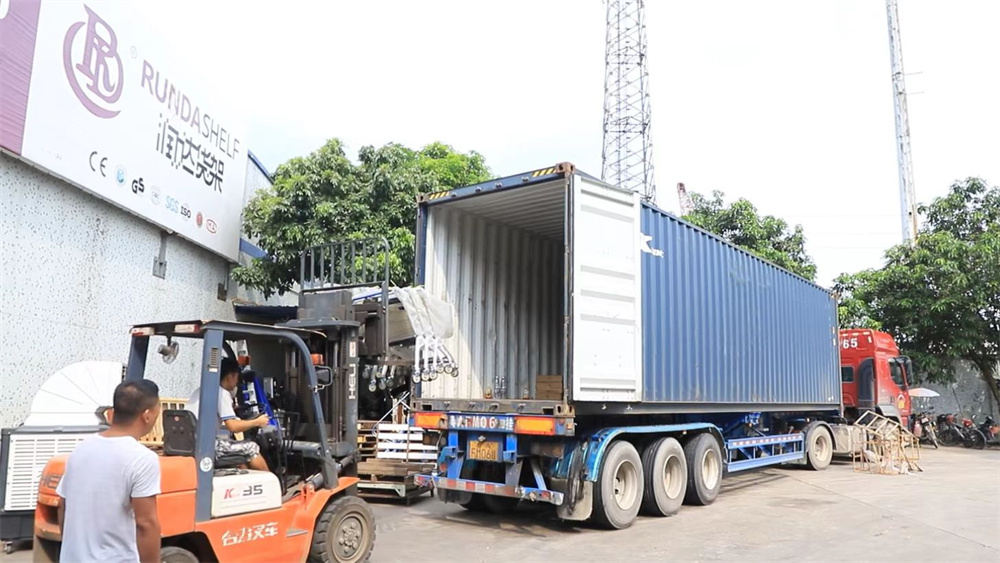
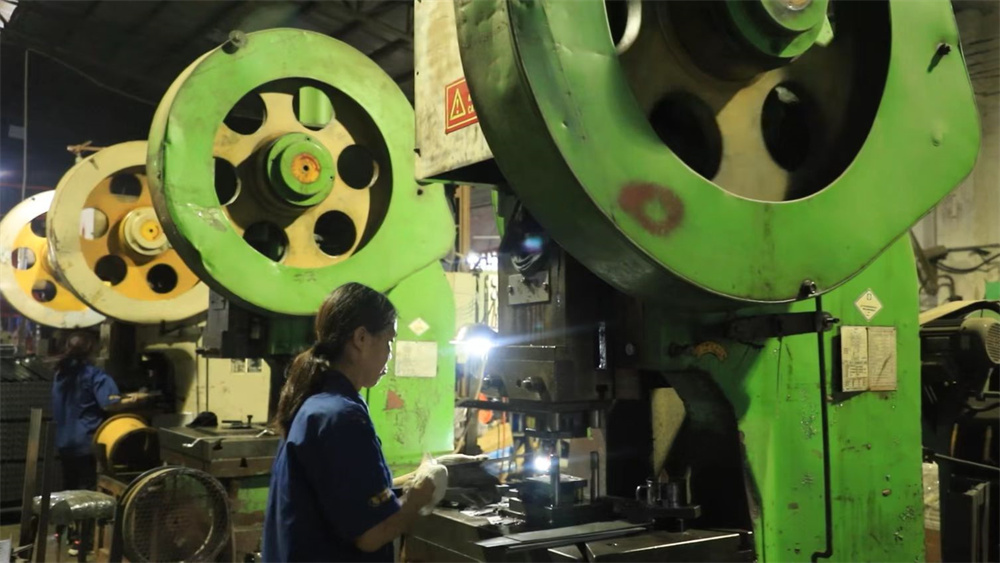
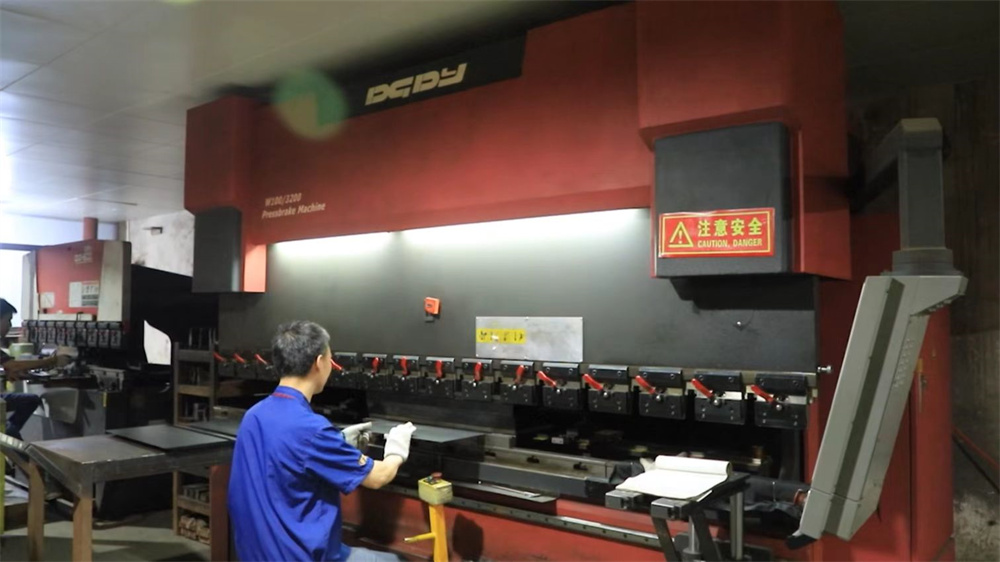
Established in 2017, Chengdu DriveRacks Industrial Technology Co., Ltd. operates a state-of-the-art 42,000 m² manufacturing plant dedicated to advanced material handling and heavy-duty storage infrastructure. Delivering $35 million in annual export revenue, we bring 9 years of deep industry expertise and 6 years of international trade operations. Quality is integral to our process; our team of 30 certified inspectors executes rigorous raw material tensile testing and automated powder-coating thickness audits. Serving high-growth markets across the United States, Europe, and the Middle East, DriveRacks leverages a robust ecosystem of 1,200 supply chain partners. We primarily serve enterprise warehouse operators, e-commerce fulfillment hubs, and heavy equipment manufacturers. Powered by 110 skilled R&D engineers focusing on smart automation and high-density racking design, we released 250 dynamic product iterations last year and provide comprehensive customization spanning rack dimensions, seismic ratings, and surface treatments.
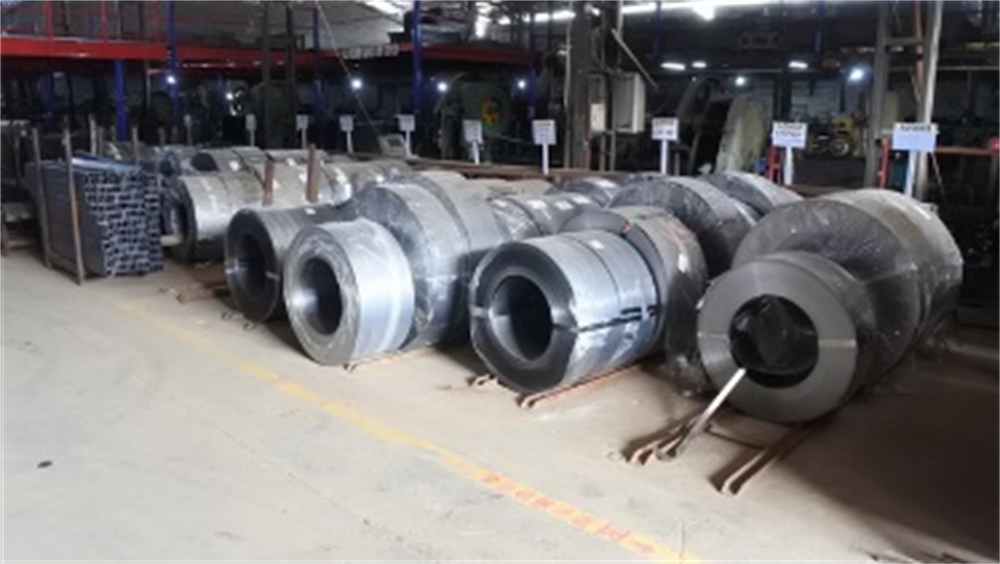
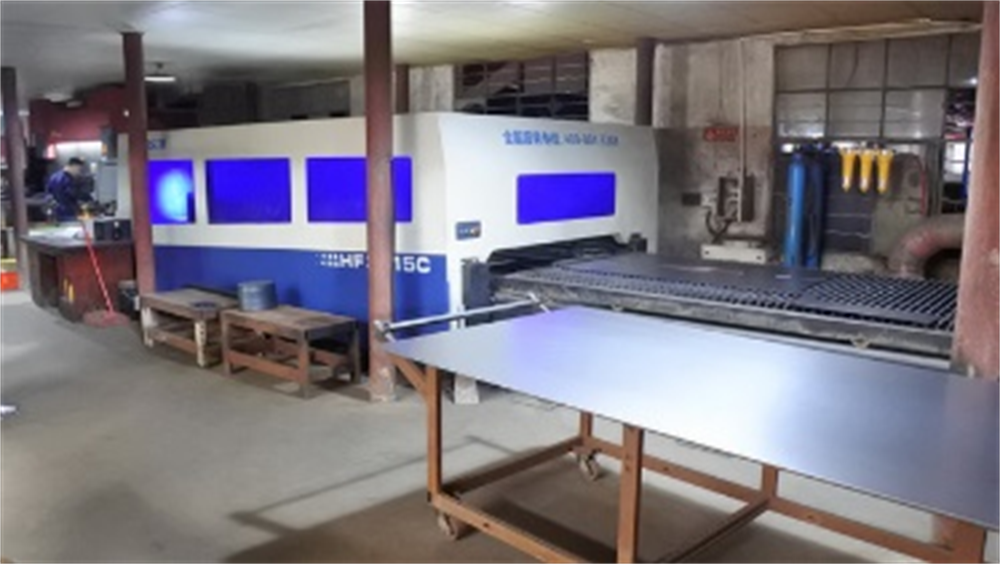
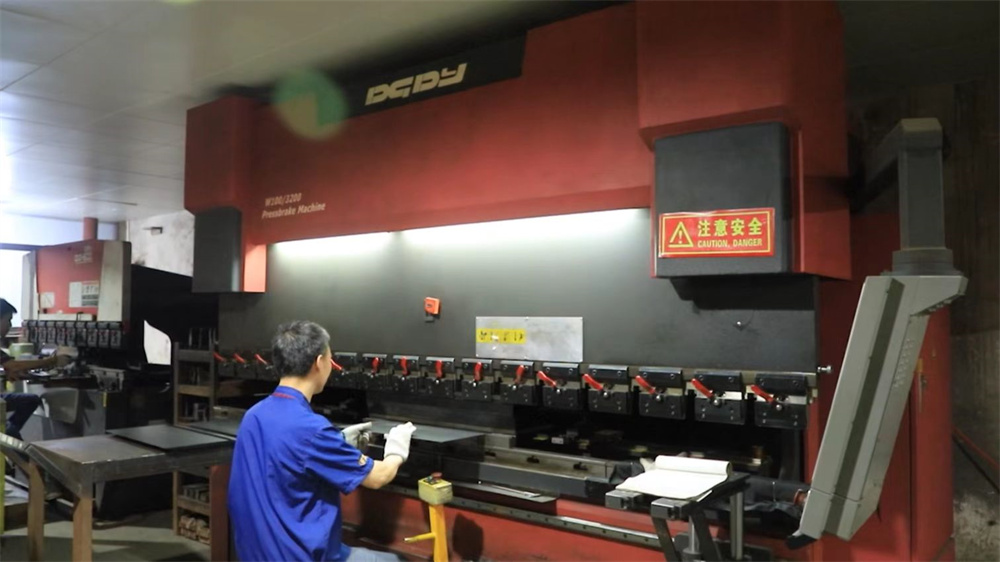
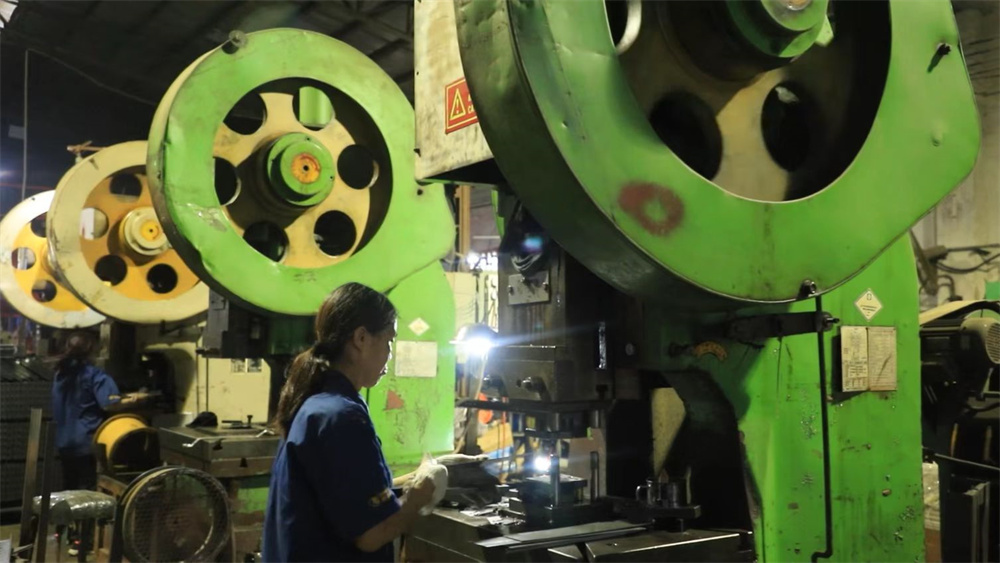
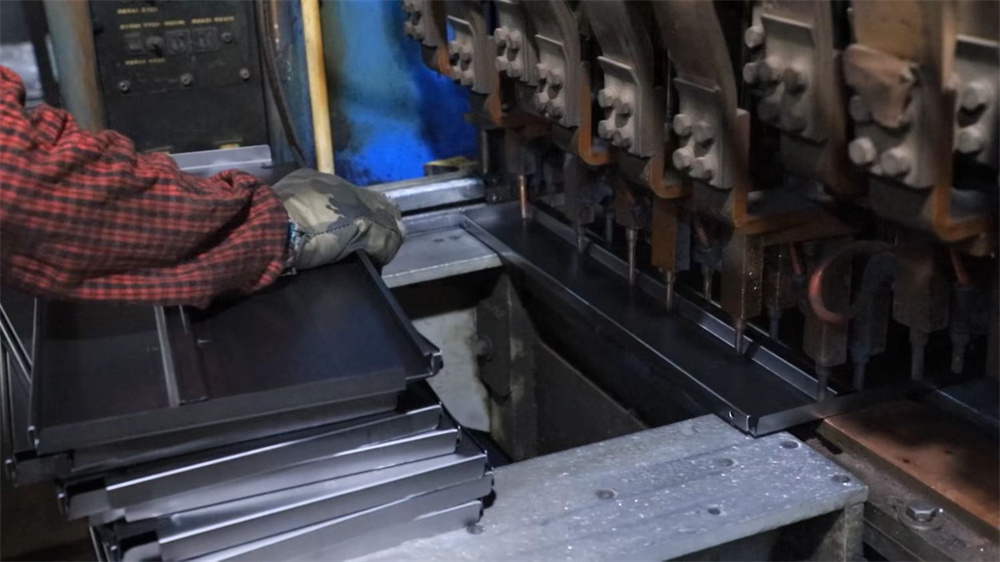
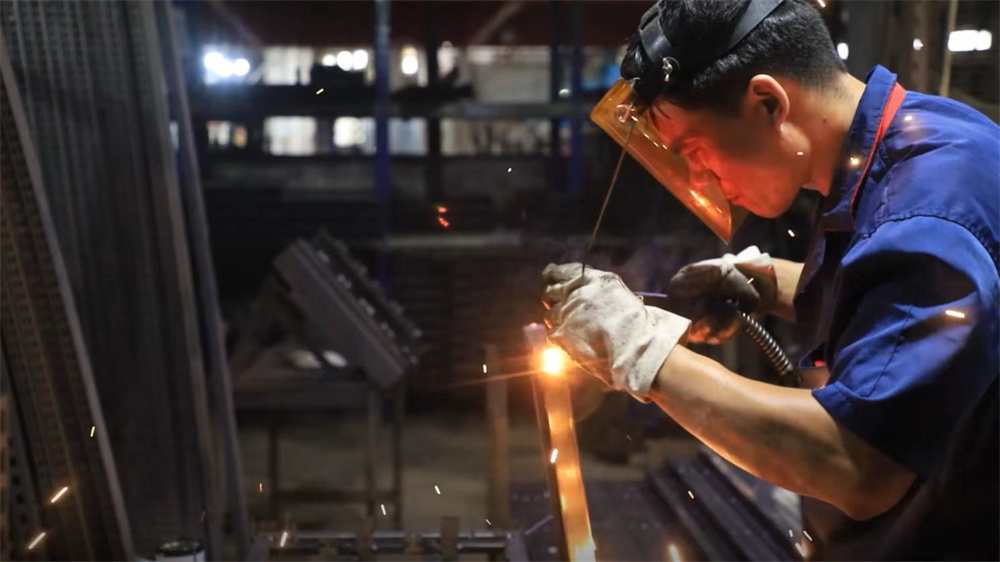
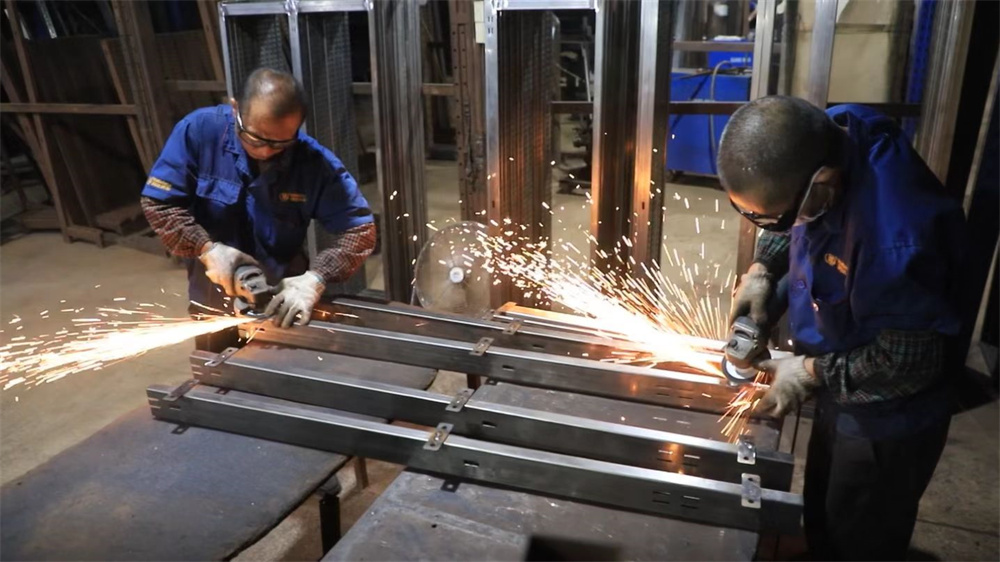
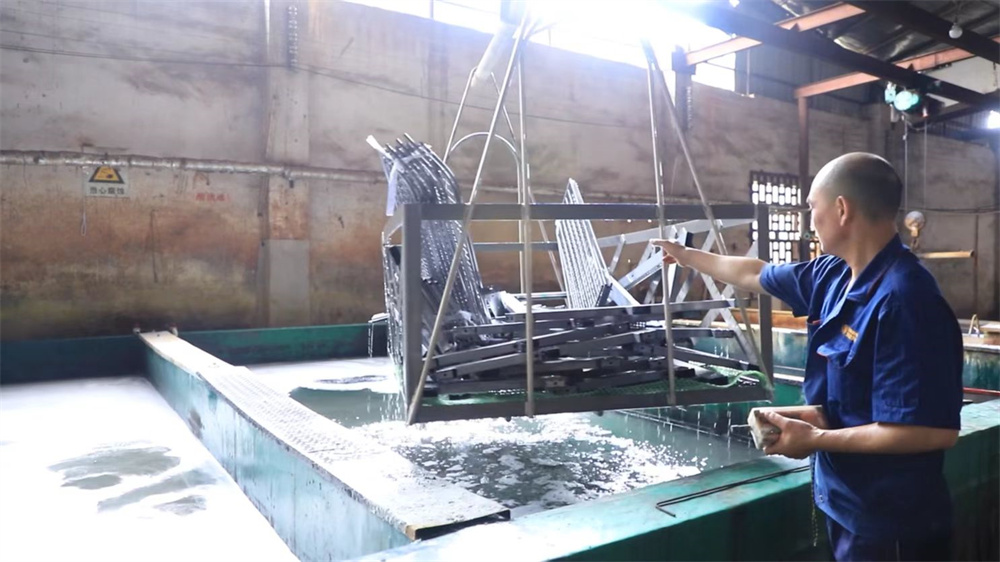
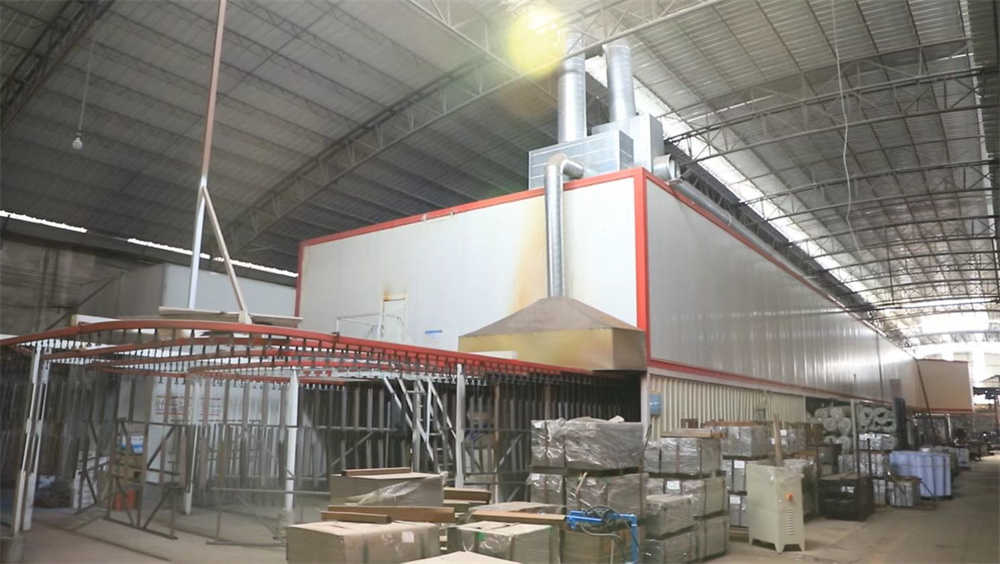
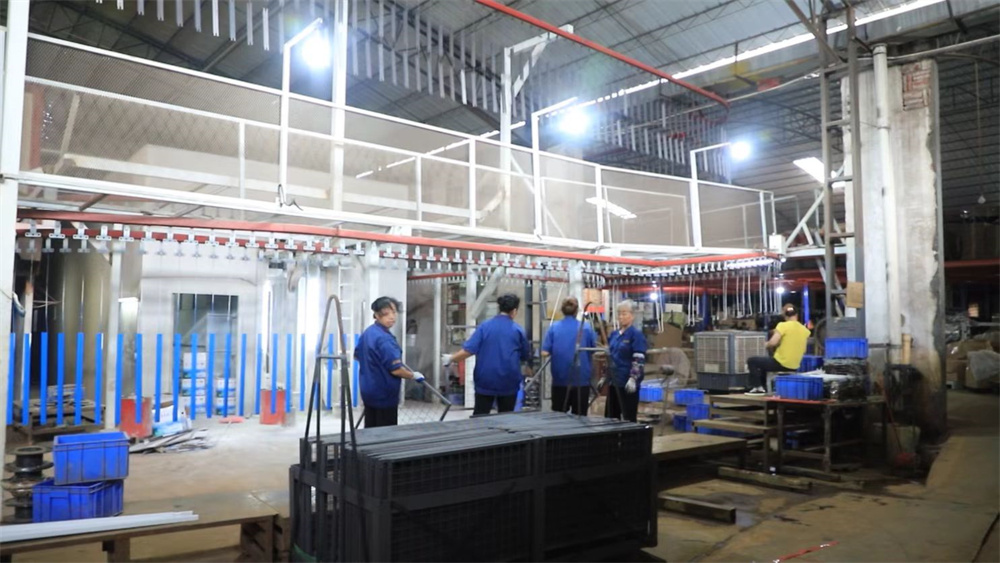
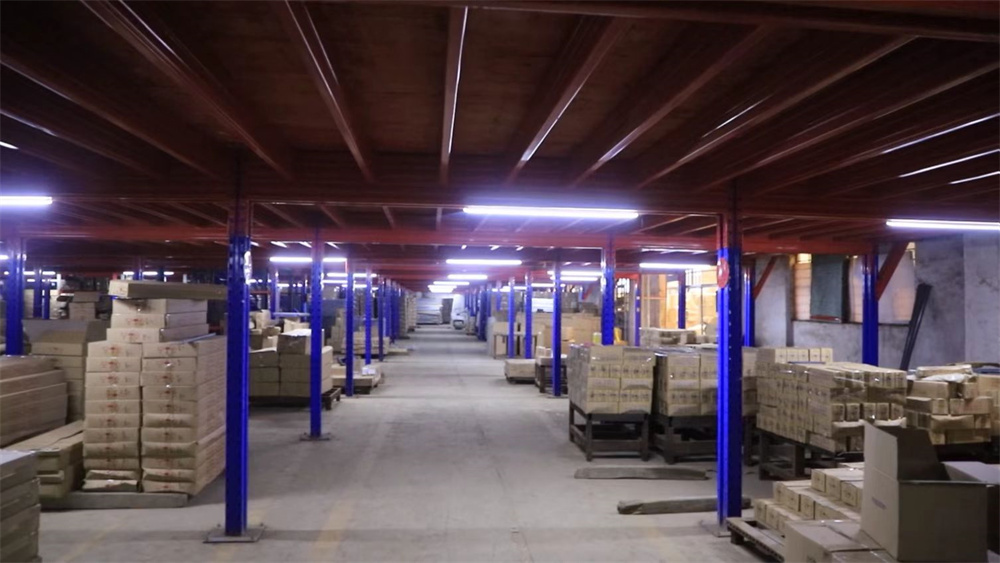
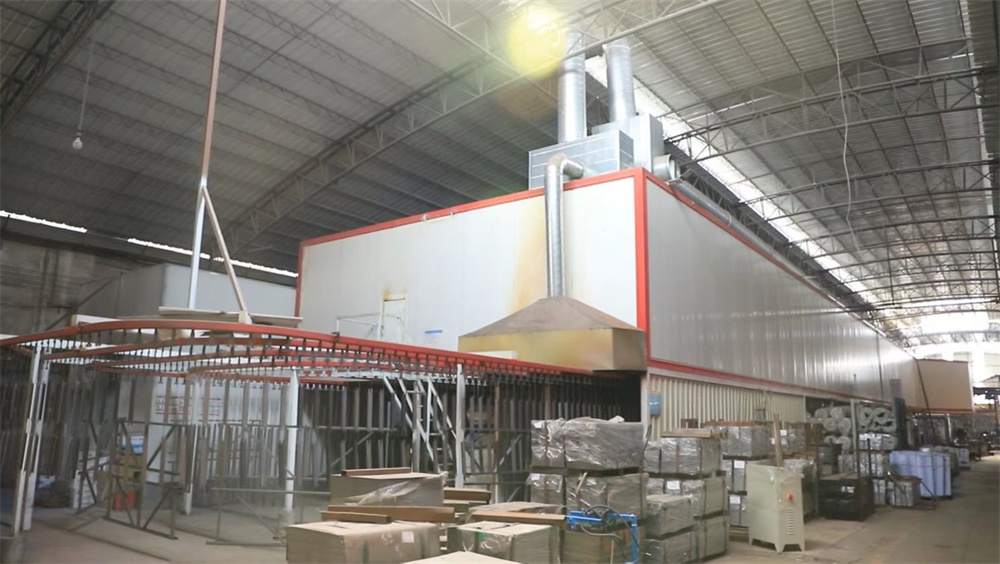
Tailored structural designs optimized for specific industrial operations and corrosive operating environments.
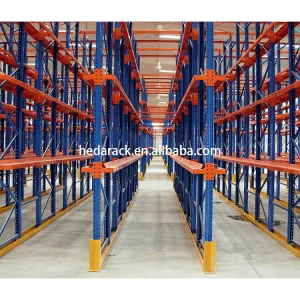
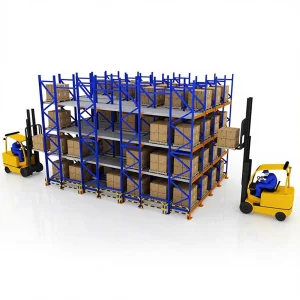
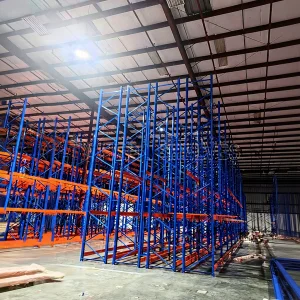
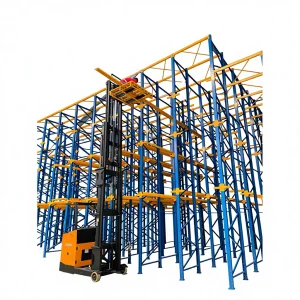
Why US building permits, OSHA regulations, and local engineering codes require specific structural engineering calculations.
Every dynamic racking design destined for locations like California (SDC D-F) or the Pacific Northwest must undergo rigorous finite element analysis (FEA). We analyze structural steel loads, baseplate thickness, and anchor bolt depth to guarantee compliance with regional building permit offices.
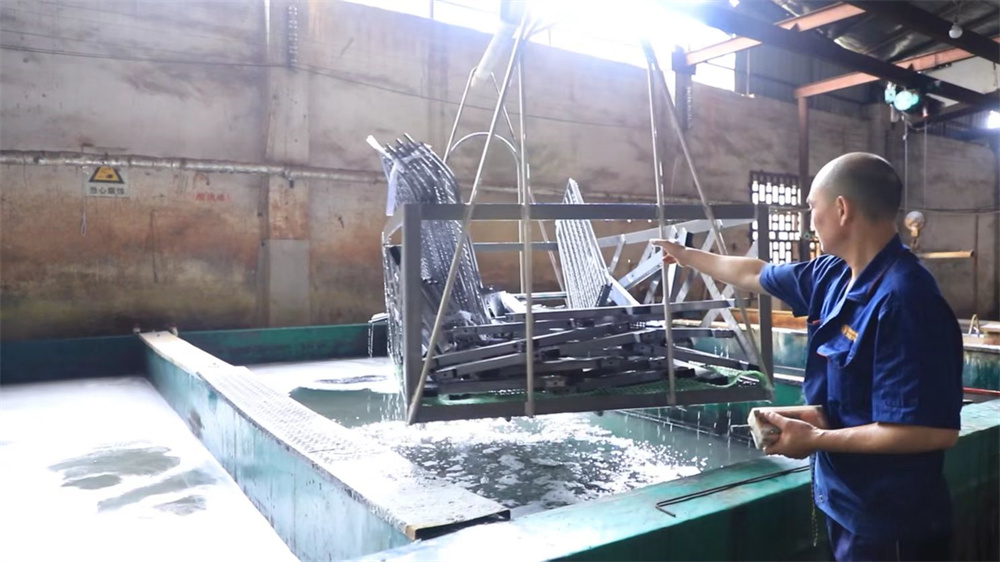
Structural reliability starts at the joint. Our welders operate under American Welding Society (AWS) D1.1 specifications, executing deep penetration fillet and groove welds on load arms and frame columns, guaranteeing zero fatigue failure risk under max-load cycles.
Unlike standard thin-gauge steel sheet metal, our upright assemblies are fabricated using high-yield structural steel. This guarantees structural stability, especially in narrow rack channels subject to dynamic torque and forklift movements.
Providing customized high-density racking configurations designed for key vertical industries.
1. Cold Storage and Freezer Warehousing: Energy costs are the single largest operational expense for temperature-controlled storage operations. Drive-in systems maximize storage density, minimizing the volume of air that must be cooled. This translates directly to significant, measurable utility savings.
2. Food & Beverage Distribution: High-density storage is highly suited for products moving in consistent, high-volume production batches. Our customizable powder coatings are FDA-compliant, allowing safe setup in non-contact food processing zones.
3. Third-Party Logistics (3PL): Flexible vertical storage configurations allow 3PL providers to quickly scale up storage capacity for major enterprise clients. With our customization options, configuration depths, lane designs, and load capacities can be adjusted dynamically during the planning phase.
4. Chemical and Hazardous Material Storage: Utilizing corrosion-resistant coatings or custom stainless-steel structures, our solutions provide secondary protection against chemical exposure and hazardous fumes, complying with safety codes.
Heavy-duty structural storage configurations available for delivery to all major US shipping hubs and industrial zones.
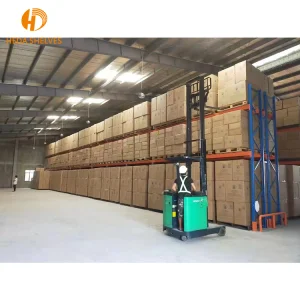
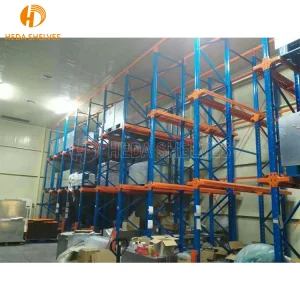
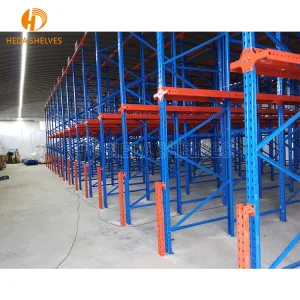
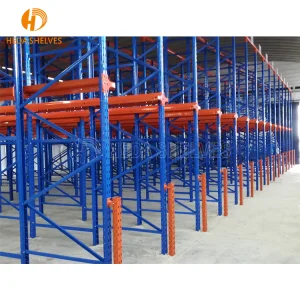
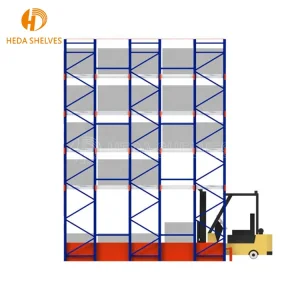

Bridging international manufacturing precision with localized engineering compliance.
Purchasing structural racking systems from global suppliers can present challenges regarding compliance with local zoning and construction regulations. At Chengdu DriveRacks, we address these concerns through a structured design and logistics process:
Looking ahead, we are incorporating advanced technology into our racking structures. Our active R&D pipeline focuses on integrating smart warehouse technology directly into drive-in rack frameworks:
1. RFID-Guided Positioning: Integrating smart guides on storage rails to interface directly with automated forklift telematics, reducing the risk of impacts with rack columns.
2. Strain-Gauge Load Monitoring: Utilizing IoT structural sensors on critical load joints to monitor real-time weight stress distribution, warning warehouse managers of overloaded bays before failure occurs.
3. Advanced High-Corrosion Galvanization: Developing hot-dip galvanized coatings designed specifically for long-term resistance to high concentrations of ammonia gas in cold storage refrigeration systems.
Clear answers to technical, engineering, and logistical questions about shipping drive-in racking to the US.
Yes. All structural calculations, raw material selection, deflection limits, and safety margins are designed in accordance with the Racking Manufacturers Institute (RMI) specification MH16.1. We provide full calculation packages to support your local building permit approval processes.
Roll-formed racks are fabricated from cold-rolled steel sheets, offering a highly cost-effective solution for standard applications. Structural steel racks are manufactured from heavy C-channel steel profiles, providing superior resistance to impact. Structural steel is recommended for high-volume operations, cold storage facilities, and seismic-active zones.
Absolutely. Our 110 R&D engineers frequently customize configurations for standard US GMA (Grocery Manufacturers Association) pallets (48" x 40"), as well as custom deep-frame platforms. Frame dimensions, bay openings, and aisle clearances are adjusted to match your warehouse equipment specifications.
We offer customizable incoterms, including FOB, CIF, and DDP. Under DDP terms, our team manages customs clearance and domestic transport, delivering the materials directly to your warehouse location. All components are packed securely to prevent movement and surface damage during transit.
Standard manufacturing lead times are 30 to 45 days from engineering design sign-off. Shipping to US West Coast ports (e.g., LA/Long Beach) requires approximately 18 to 22 days, while East Coast ports take 30 to 35 days. We recommend initiating planning 3 months prior to your target installation date.
 DriveRacks