Maximize volumetric footprint efficiency up to 85% by eliminating standard access aisles. Heavy-duty structural systems built to sustain high-throughput LIFO pallet demands.
The Greater Toronto Area remains one of North America's most critical industrial hubs. With low vacancy rates across Mississauga, Brampton, Vaughan, and Milton, the cost per square foot of commercial real estate continues to trend upward. For logistics managers, third-party logistics (3PL) providers, and food distributors, expanding warehouse footprints horizontally is cost-prohibitive.
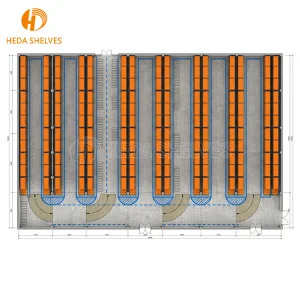
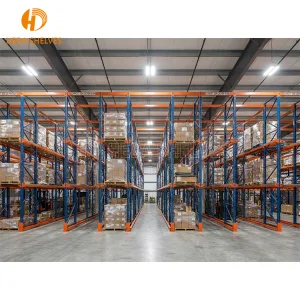
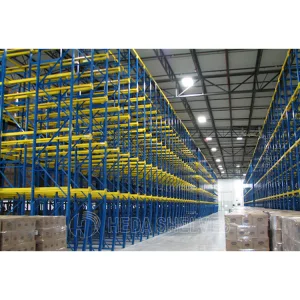
Drive-in racking systems offer the optimal response to this physical constraint. By storing pallets multiple positions deep and eliminating standard forklift access aisles, drive-in configurations reduce the structural footprint required for storage. This system operates on a Last-In, First-Out (LIFO) inventory flow, which is ideal for high-volume, low-SKU items, cold storage environments, and seasonal goods.
Our heavy-duty racking configurations are designed to optimize vertical clear heights up to 40 feet, maximizing existing facilities without moving to larger, more expensive properties.
Toronto's logistics sector demands specialized warehousing setups. Food and beverage distribution requires strict adherence to cold-chain dynamics. Drive-in systems reduce the open air volume in freezers, lowering energy consumption costs by packing frozen pallets in tight configurations.
Deploying safe racking systems in Ontario requires strict compliance with provincial safety standards and structural building codes.
All industrial steel storage racks installed in Ontario must comply with CSA A344. Our systems are engineered to meet these standards, verifying load limits, upright structural capacities, and seismic parameters for structural safety.
Under Section 7 of the Industrial Establishments Regulation (Regulation 851) of Ontario's Occupational Health and Safety Act, racking systems may require a PSR. We provide signed engineering drawings to facilitate local approvals.
Although the GTA is not historically a high-seismic zone, Ontario Building Code (OBC) regulations require specific seismic design adjustments depending on total frame height and load capacity. Our systems account for these factors.
Combining specialized engineering with large-scale production capacities to deliver value for global logistics networks.
Established in 2017, Chengdu DriveRacks Industrial Technology Co., Ltd. serves enterprise warehouse operators, e-commerce hubs, and manufacturing facilities across the globe. With an annual export volume of $35 million, we deliver quality industrial racking, custom structural shapes, and corrosion-resistant powder-coated steel configurations that comply with strict safety codes.
Every component—from raw cold-rolled steel to the finished powder-coated profile—undergoes strict quality assurance audits at our production facility.
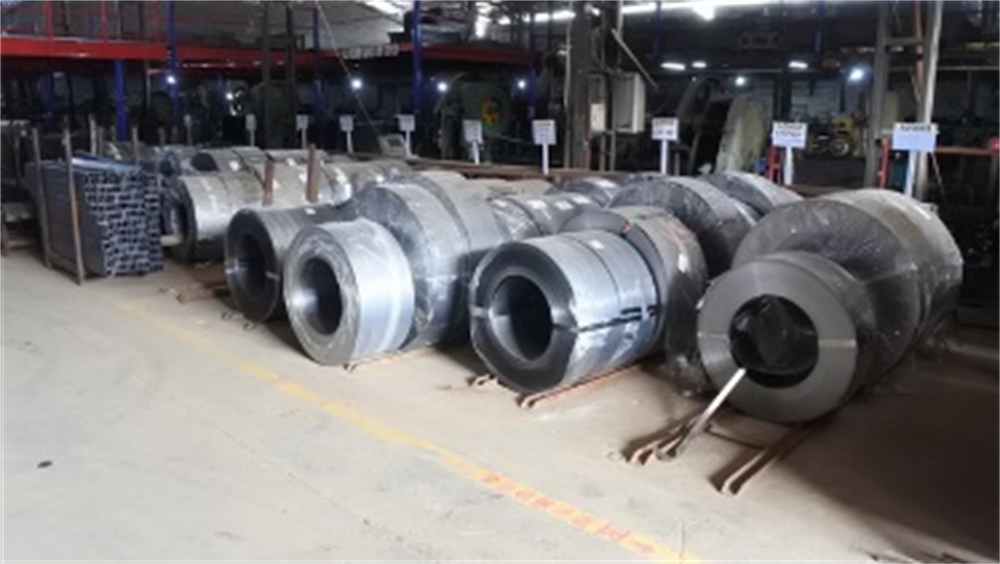
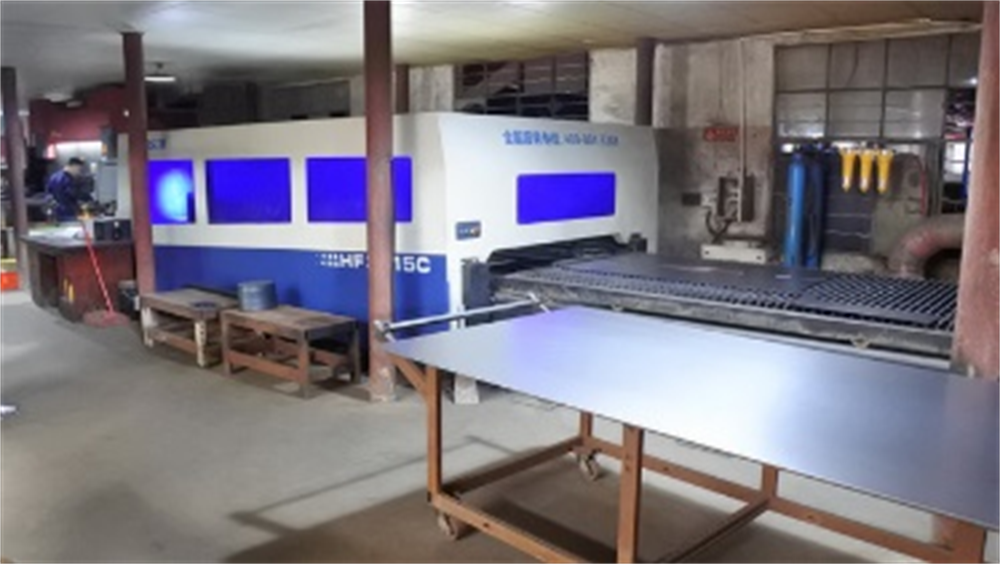
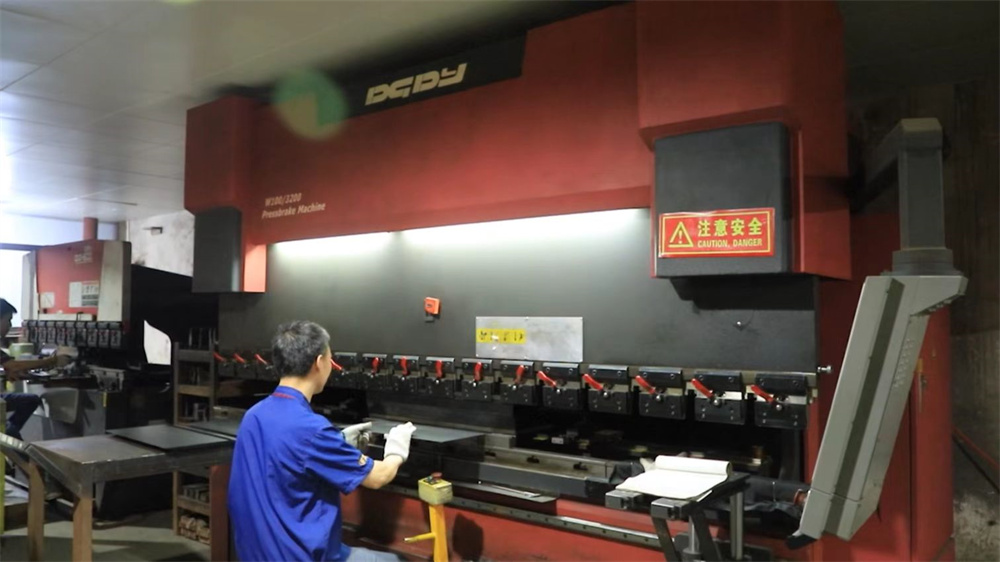
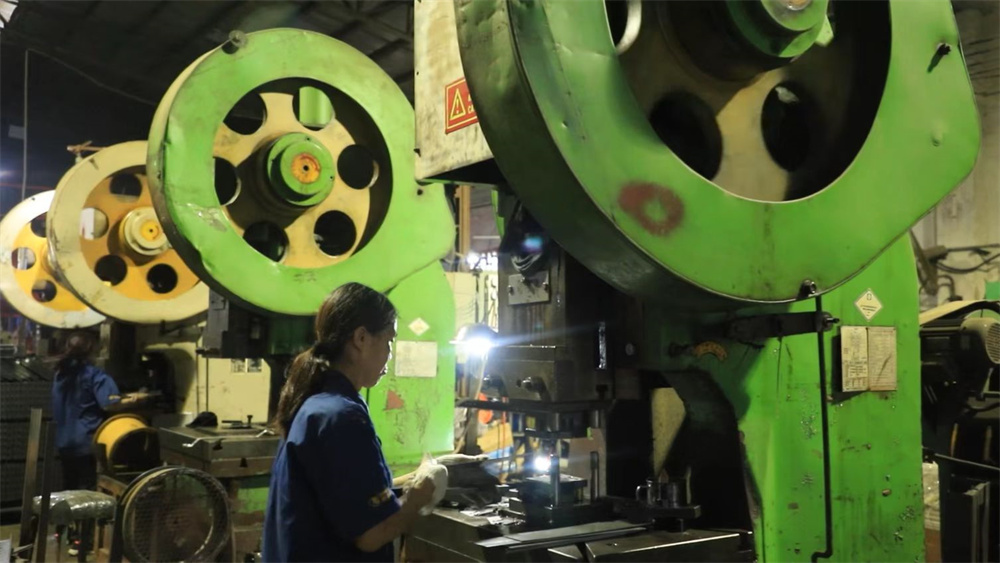
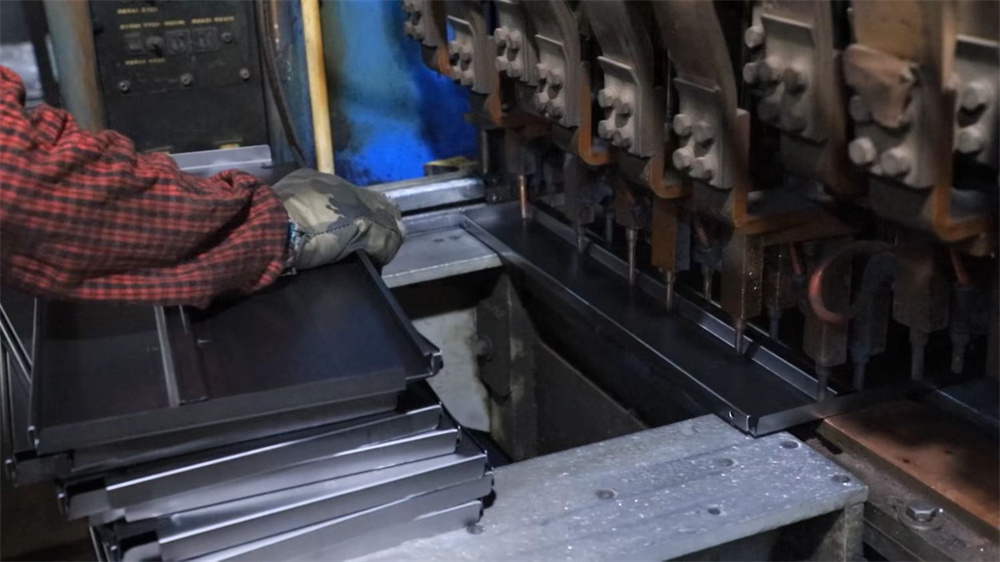
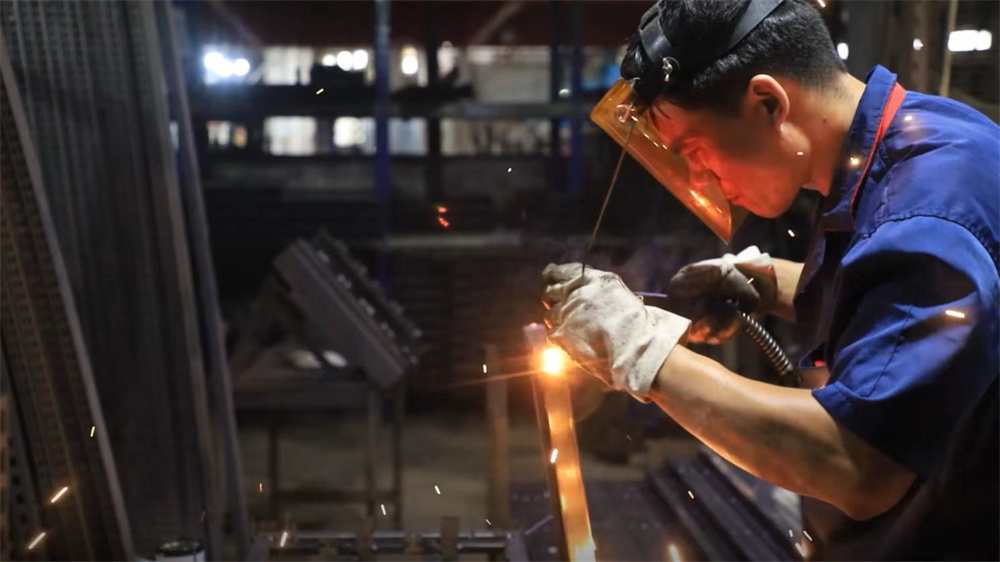
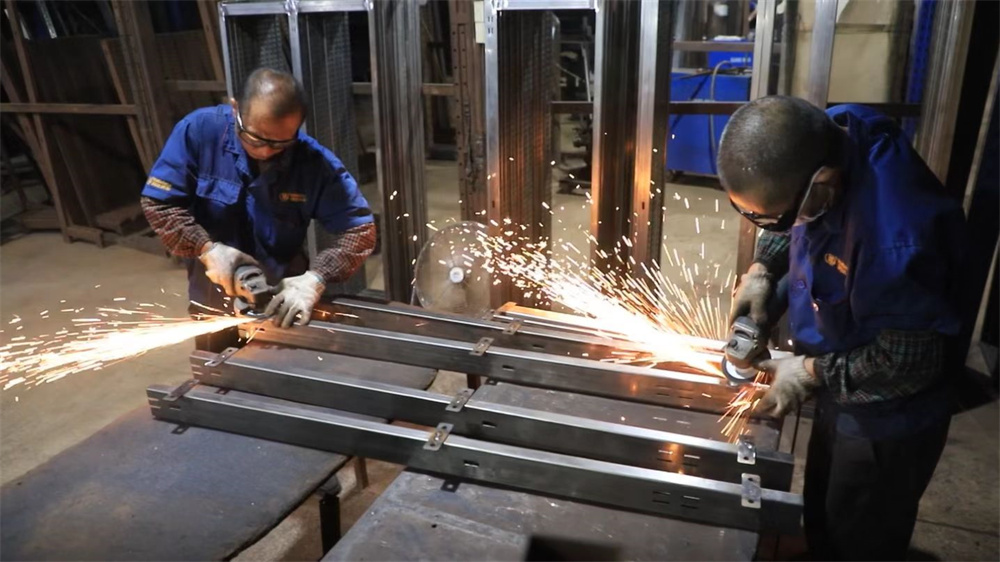
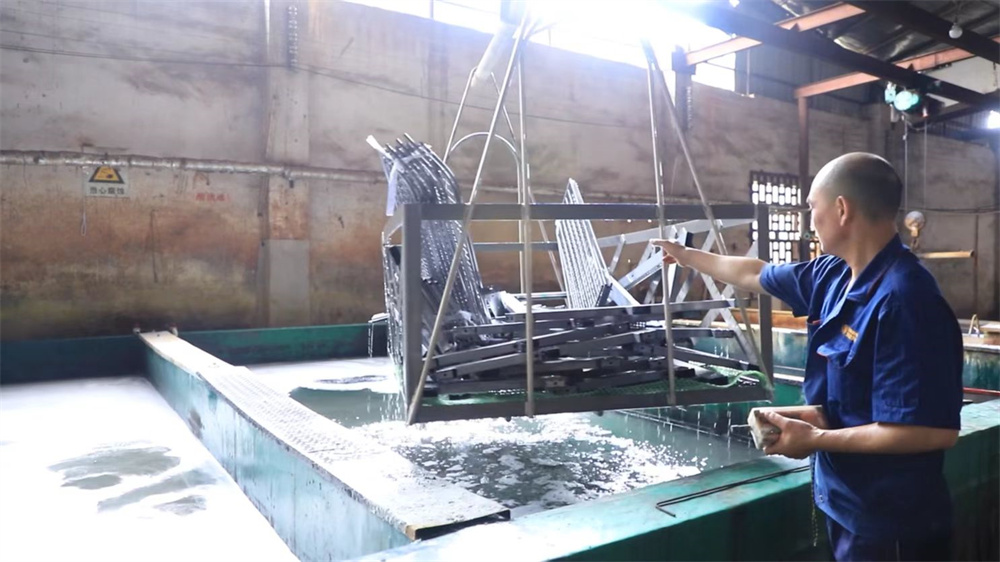
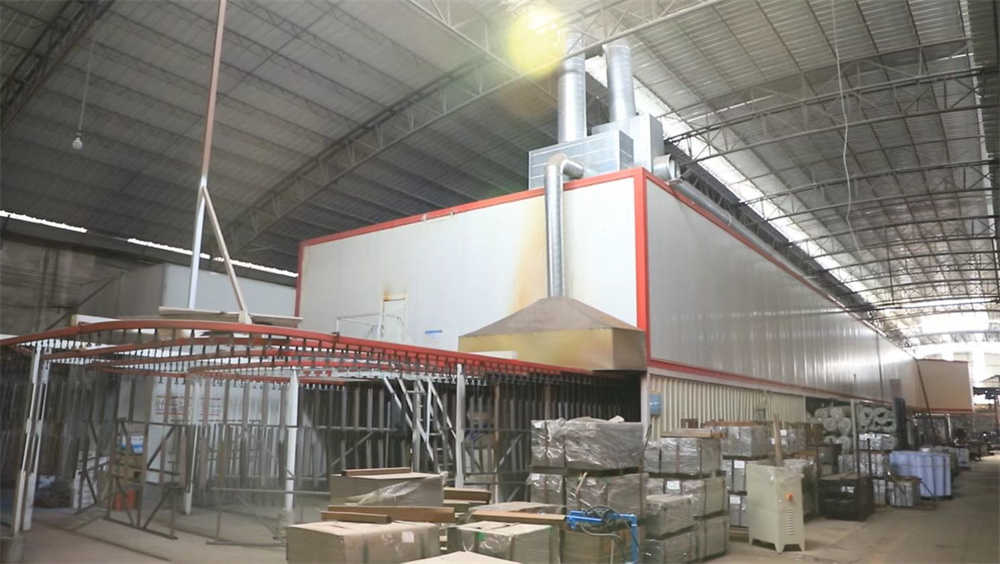
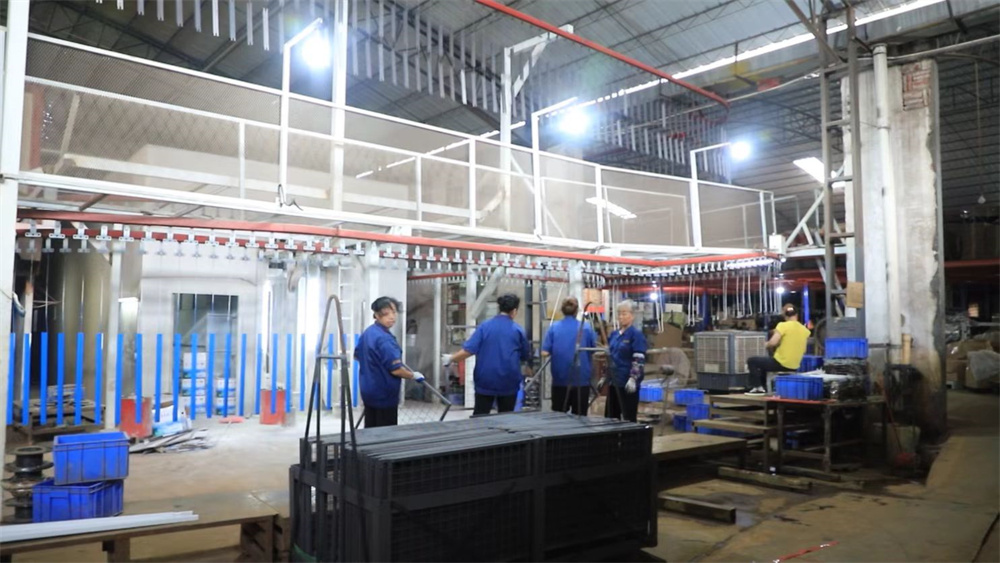
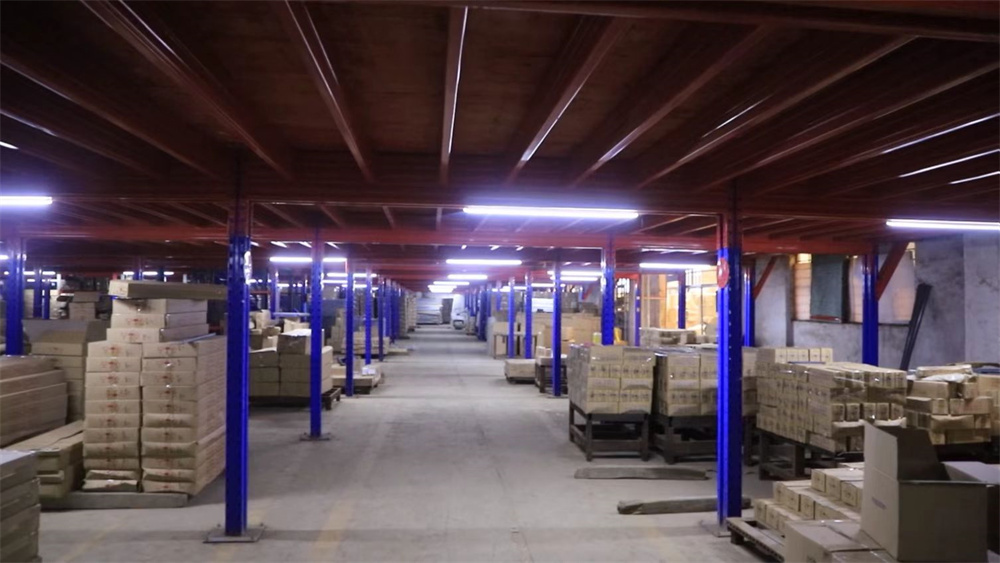
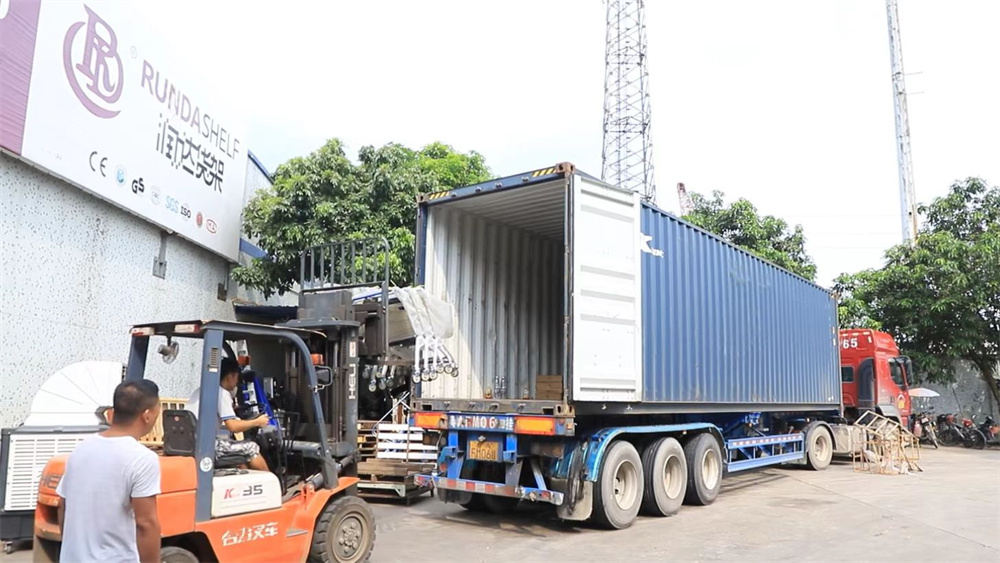
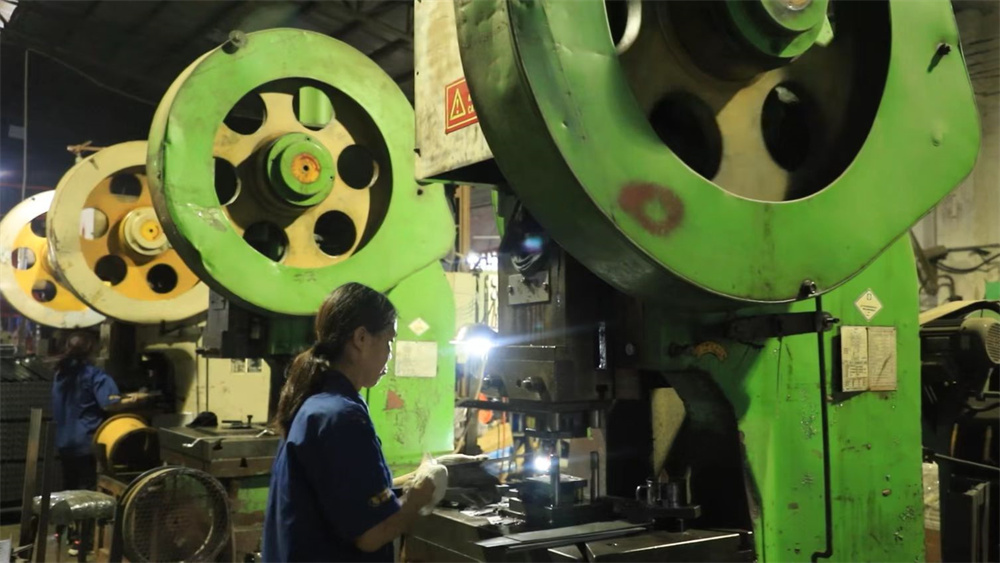
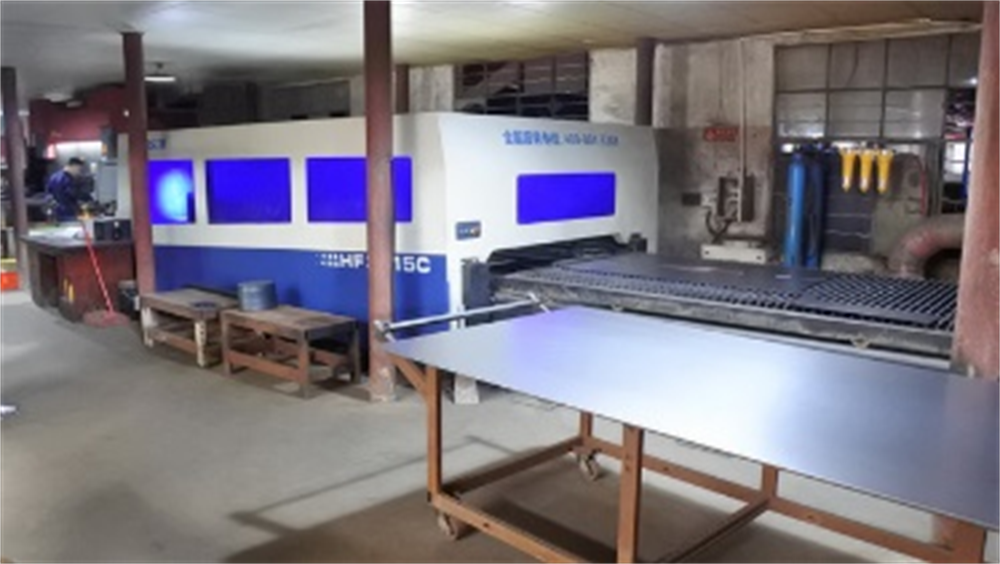
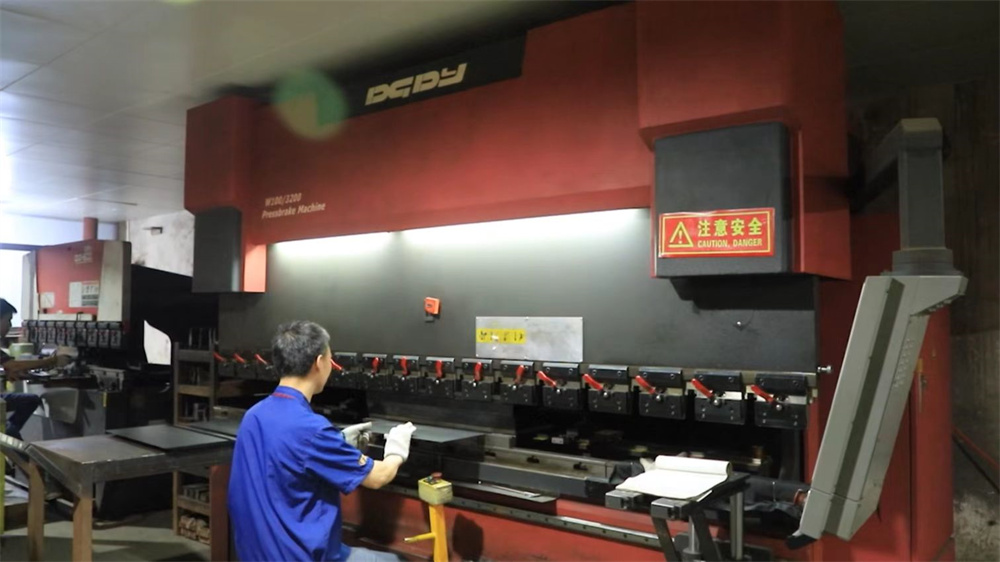
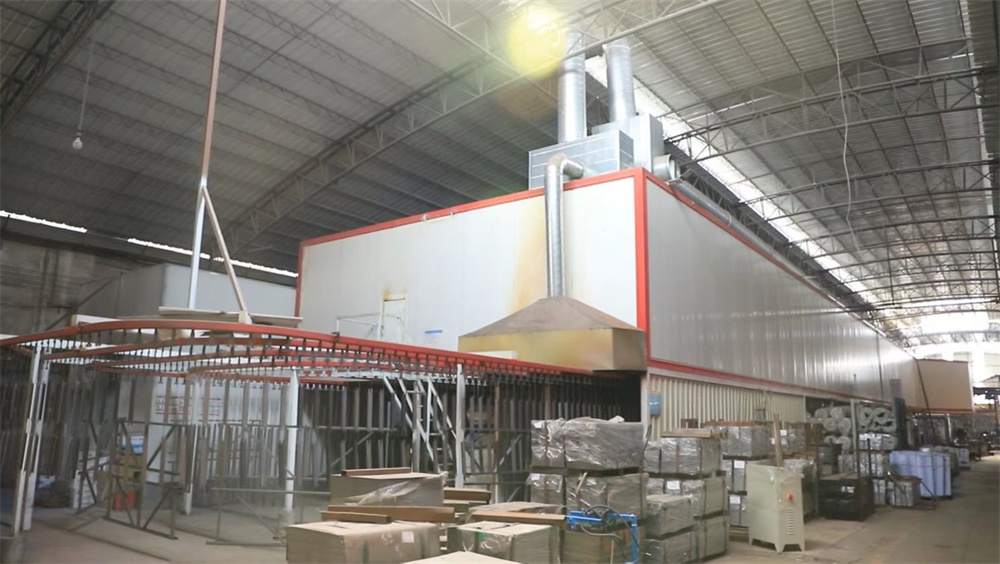
Select from our range of modular cold-rolled and structural steel configurations optimized for LIFO pallet storage.
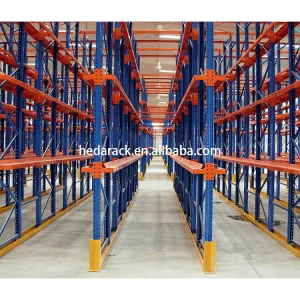
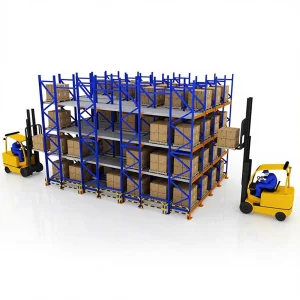
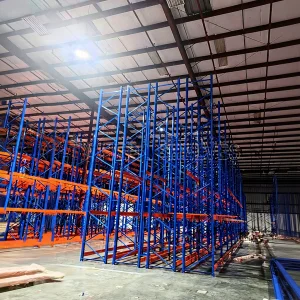
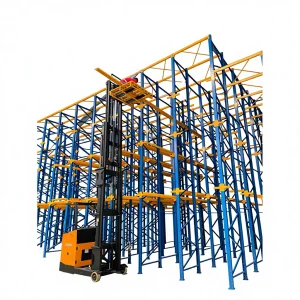
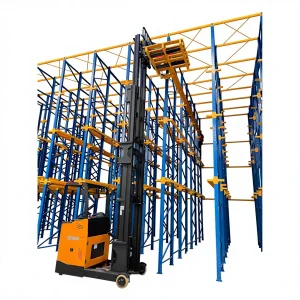
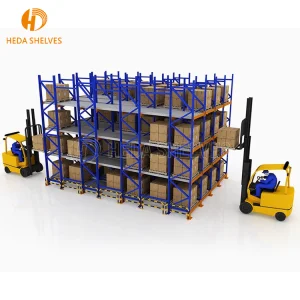
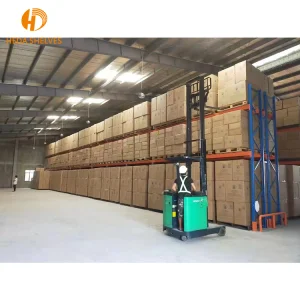
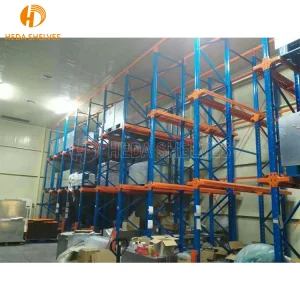
Understanding the trade-offs between storage density, accessibility, and financial investment helps guide system selection.
| Racking System Type | Space Utilization Efficiency | Inventory Flow (FIFO/LIFO) | Selectivity Performance | Investment Cost Index | Typical Applications |
|---|---|---|---|---|---|
| Drive-In Racking | Very High (up to 85%) | LIFO (Last-In, First-Out) | Low (Aisle-by-Aisle) | Economic (Low per pallet position) | Cold Storage, Food & Beverage, High-Volume Low-SKU |
| Push-Back Racking | High (up to 75%) | LIFO (Last-In, First-Out) | Medium (Lane-by-Lane) | Moderate (Includes cart hardware) | General Distribution, Medium-Volume Multi-SKU |
| Pallet Flow Racking | Very High (up to 85%) | FIFO (First-In, First-Out) | Low (Requires dedicated lanes) | High (Gravity wheels & brakes) | Perishables, Fast-Moving Consumer Goods (FMCG) |
| Selective Racking | Low (approx. 40-50%) | FIFO or LIFO | 100% (Every pallet reachable) | Very Low (Simple frame and beam) | General Warehousing, Multi-SKU, 3PL Fulfillment |
In temperature-controlled spaces, refrigeration costs are directly proportional to the total air volume of the room. A selective racking layout leaves up to 60% of the cubic volume empty for forklift aisles. By consolidating those aisles into solid blocks, drive-in racking minimizes structural heat transfer surfaces. Forklifts drive directly into the racking structures to deposit or retrieve pallets from continuous rails, maintaining compact cargo storage blocks.
Furthermore, our systems use cold-formed profiles made from premium carbon steel (such as Q355B structural steel), which maintains structural integrity and impact resistance under low-temperature conditions.
Technical answers regarding installation, compliance, and specifications for Toronto industrial applications.
Get in touch with our engineering team today. We provide custom CAD layout designs, structural calculations, and quotes tailored to your facility's requirements.
 DriveRacks