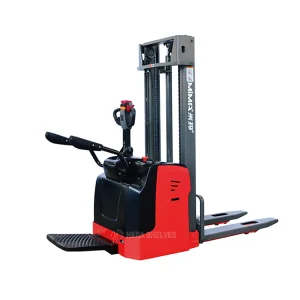
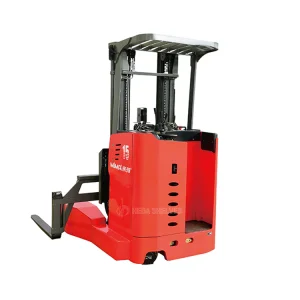
High-capacity material handling machinery optimized for the spatial footprint constraints of Kanagawa and Koto-ku fulfillment centers.
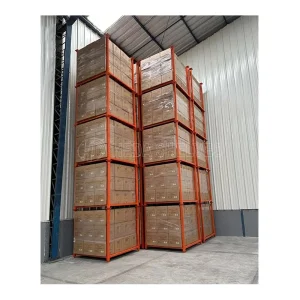
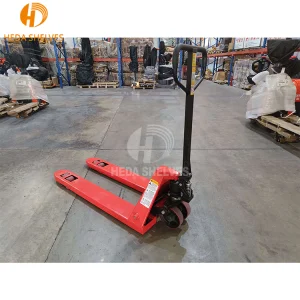
The Tokyo metropolitan logistics real estate market is facing a paradigm shift. With land prices in prime bayside zones (such as Ota-ku, Shinagawa, and Koto-ku) hitting historical highs, logistics space optimization is no longer just an operational goal—it is a financial necessity. Concurrently, the enactment of the "Logistics 2024 Problem" (restricting driver overtime limits) has forced Japanese supply chain operators to radically increase local sorting speed and loading-dock efficiencies.
Japan's regulatory framework dictates that warehouse equipment manufacturers adhere strictly to local seismic designs. Warehouse accessories—including racking structural members, support beams, and steel wire mesh decks—must withstand the high horizontal shear forces common in the Kanto Plain. Dynamic calculations must satisfy structural calculations under the Japanese Building Standards Act (Kenchiku Kijun-hō).
Unlike global designs that use friction-fit connectors, Tokyo projects require heavy-duty baseplates, mechanical expansion anchors, and high-tensile structural steel (JIS SS400 or equivalent). Cold-formed steel racks must undergo Finite Element Method (FEM) simulation to verify stability during Peak Ground Acceleration (PGA) events. Chengdu DriveRacks executes these seismic designs, supplying custom base structures engineered to pass local municipality building safety audits.
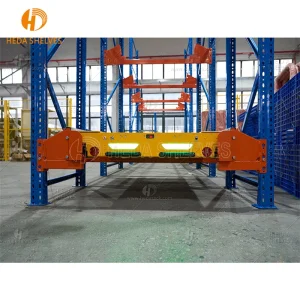
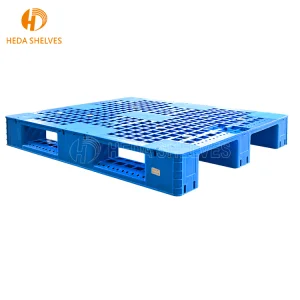
With warehouse labor availability shrinking rapidly in the Tokyo metropolitan area, automated and semi-automated racking modifications are essential. Accessorizing existing selective pallet racking with automated shuttle channels, heavy-duty gravity flow lanes, and robust plastic/metal pallets optimizes flow rates without requiring expanded human labor footprints. Modern wire mesh decking increases vertical light transmission, crucial for robotic vision systems (AMRs and AGVs) operating under low-light configurations.
A significant portion of Tokyo's inbound food supply flows through cold storage zones in Kawasaki and Yokohama. Steel accessories deployed in these low-temperature settings (reaching -25°C or lower) require specialized powder-coat formulations and hot-dip galvanized finishes. Standard steel becomes brittle at low temperatures; Chengdu DriveRacks utilizes low-temperature structural steels that preserve impact toughness, preventing brittle failures in critical rack load junctions.
How Chengdu DriveRacks leverages advanced production lines and geographic advantages to serve the Japanese market.
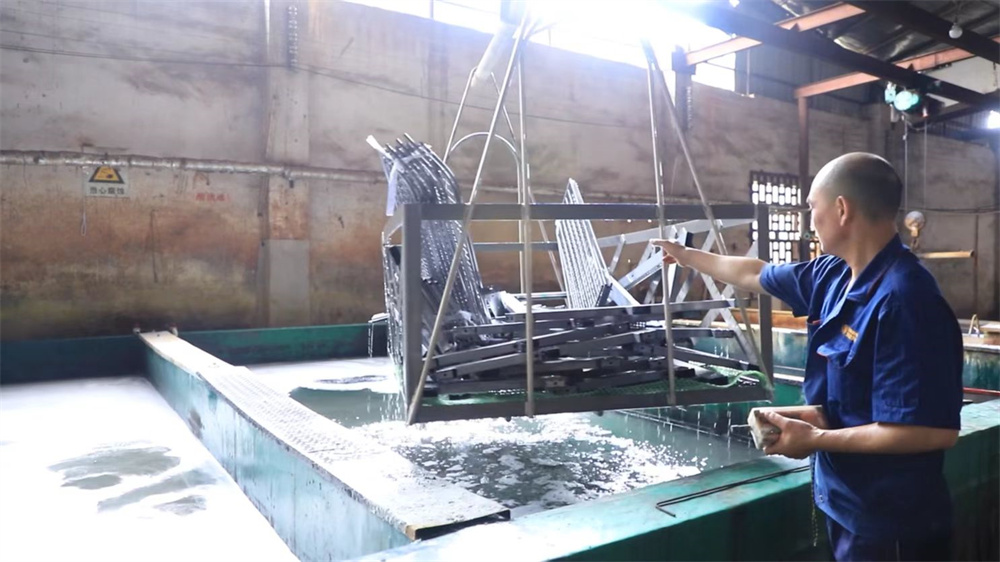
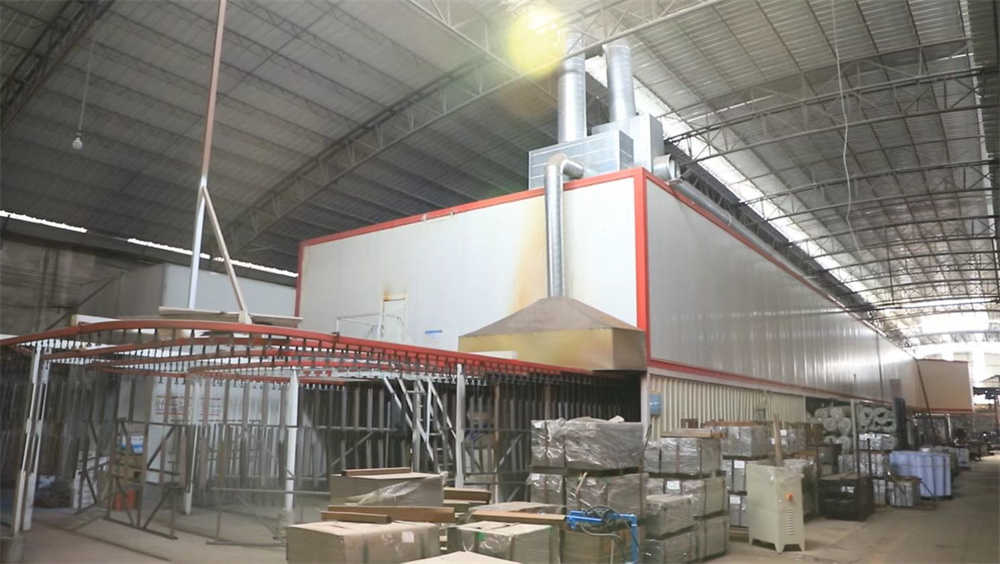
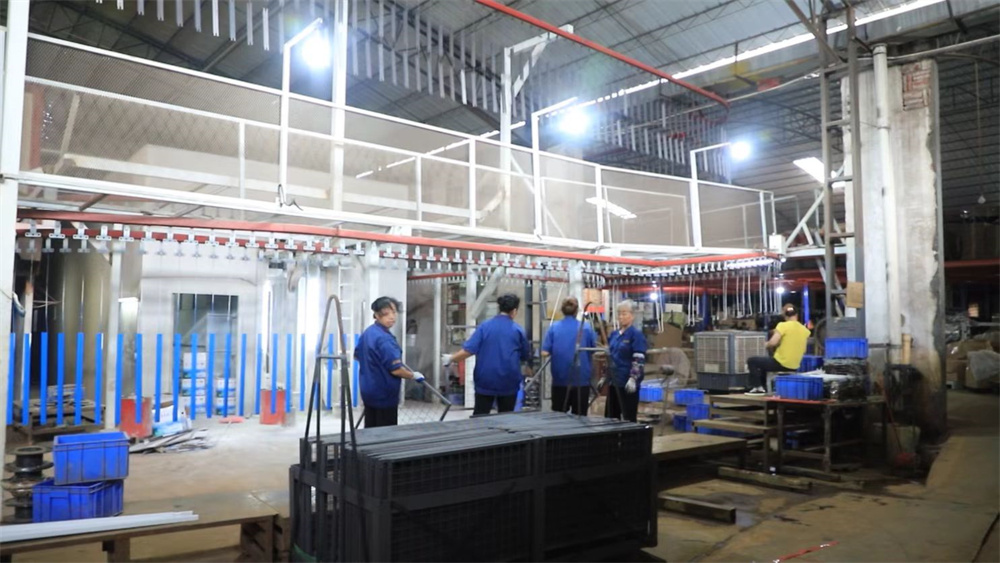
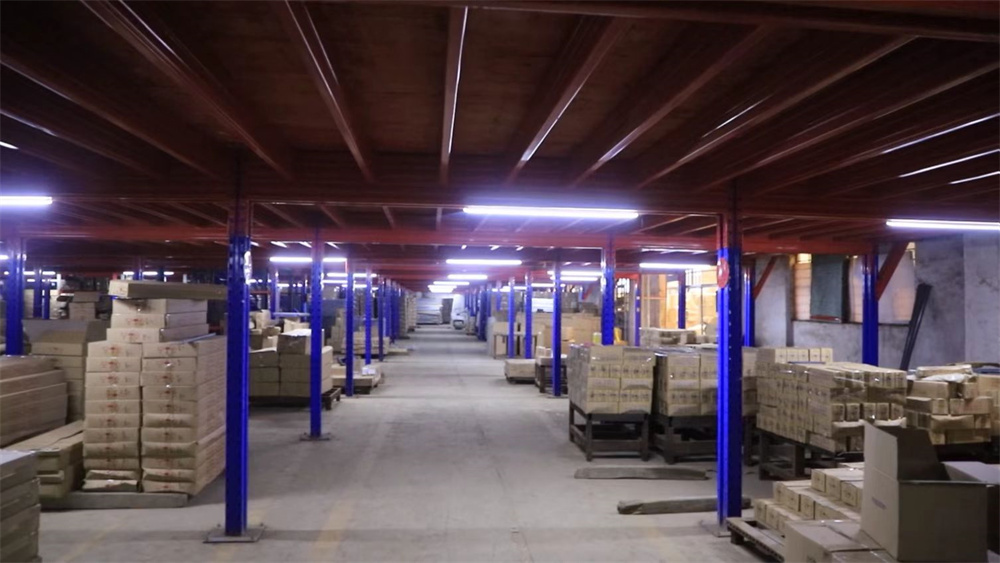
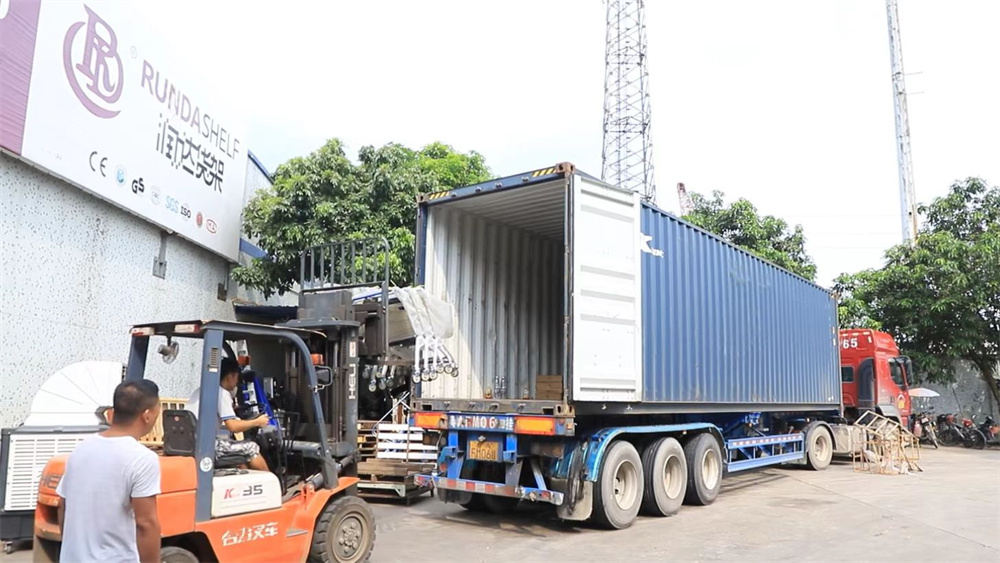
Chengdu DriveRacks Industrial Technology Co., Ltd. operates a modern fabrication facility designed for high-capacity industrial shelving and warehouse handling products. Our Chengdu hub leverages access to premium local steel mills and direct logistics channels (including the Sino-Europe Express Railway and Yangtze River ports) to export heavy-duty storage assets to Tokyo Port, Yokohama Port, and Osaka Port with minimized transit timelines.
"Quality control is integrated into every step of our process. Our 30-member inspection division performs continuous ultrasonic testing of structural welds, cross-hatch adhesion audits on powder-coated profiles, and load-deflection testing. This ensures every rack assembly shipped to the Tokyo region meets or exceeds Japan's structural safety standards."
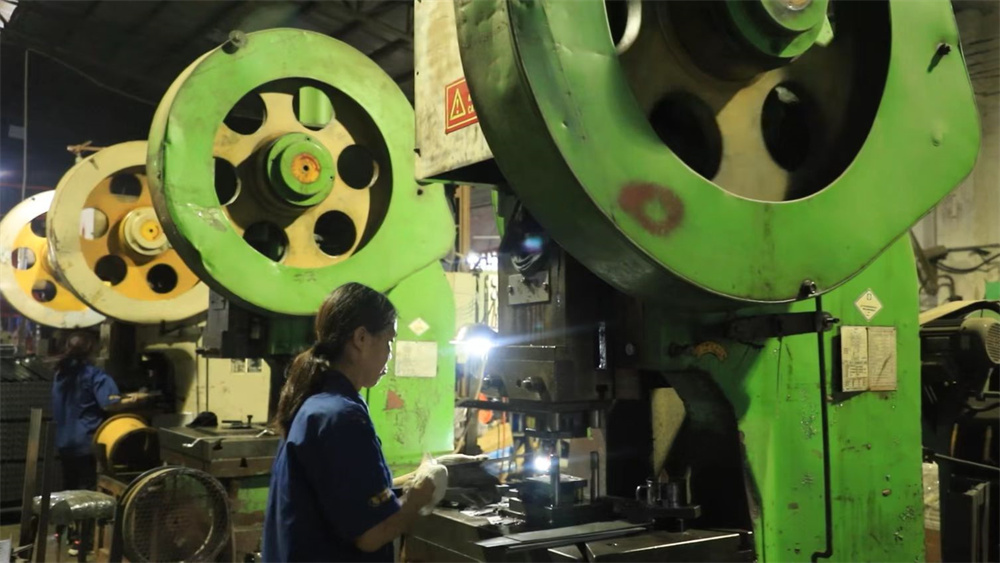
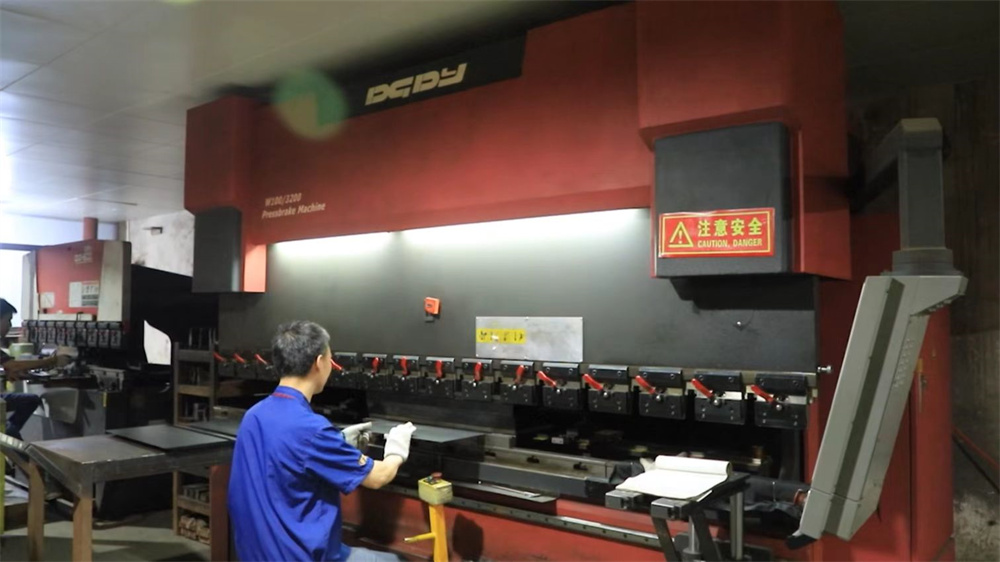
An end-to-end overview of our automated machinery, fabrication workflows, and quality-checking gates.
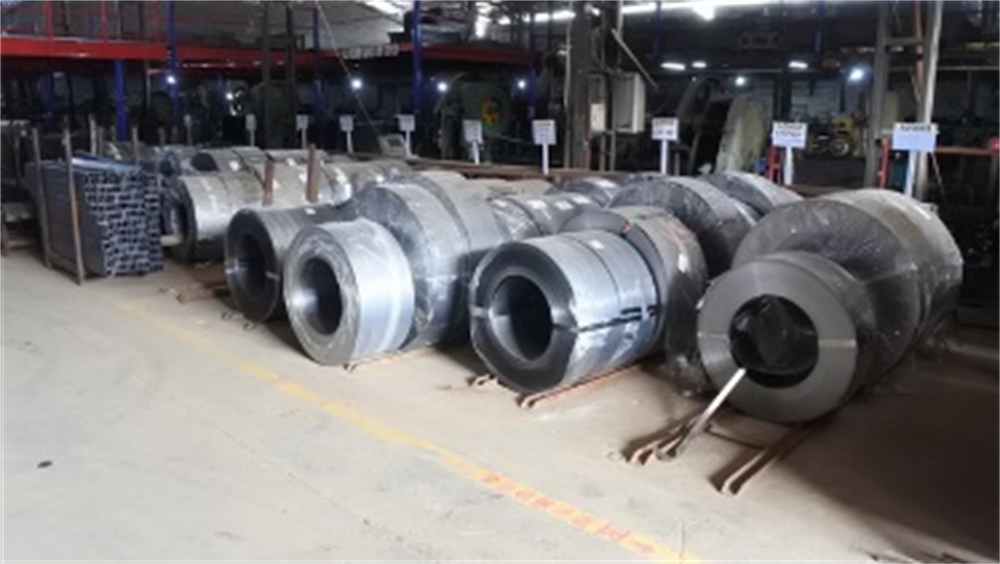
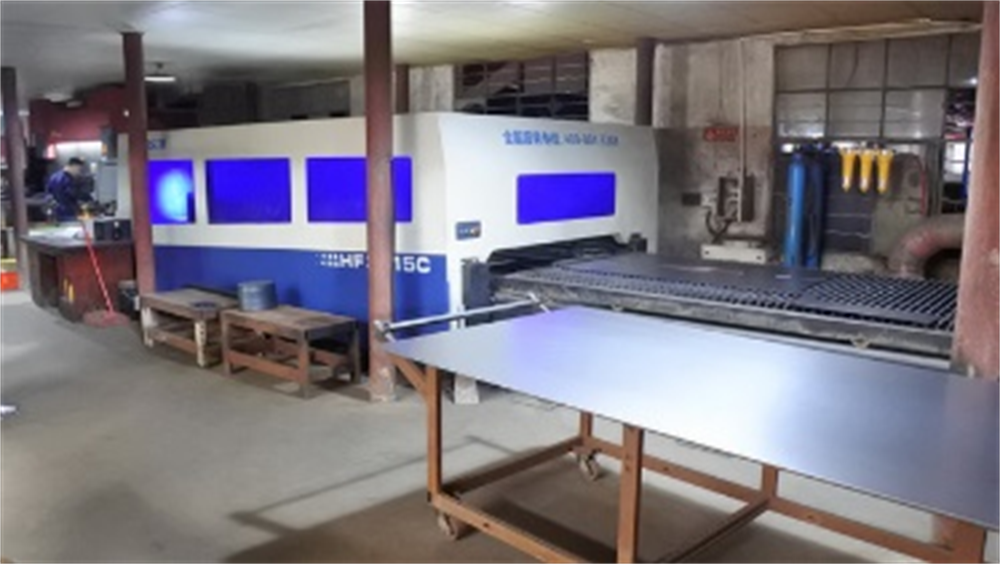
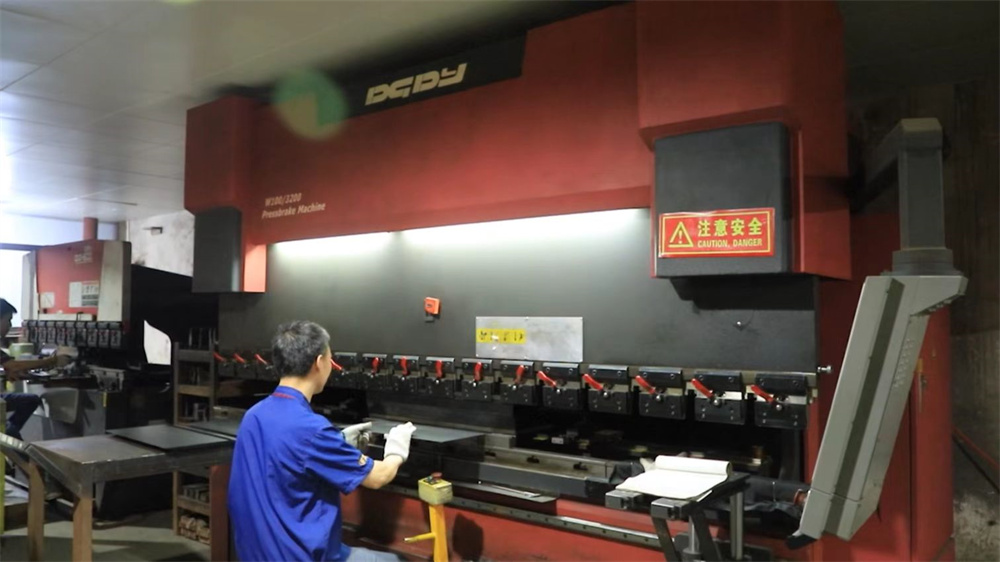
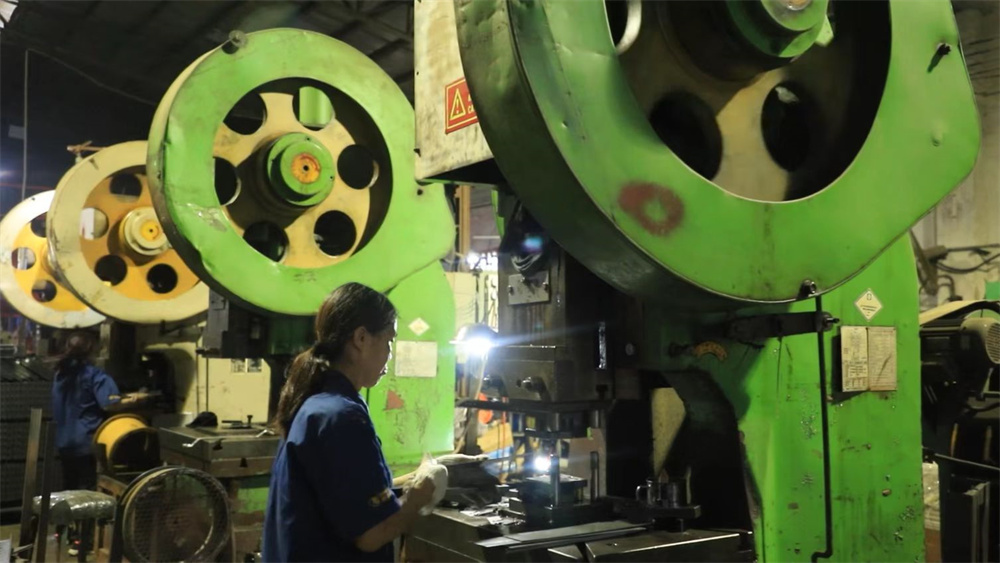
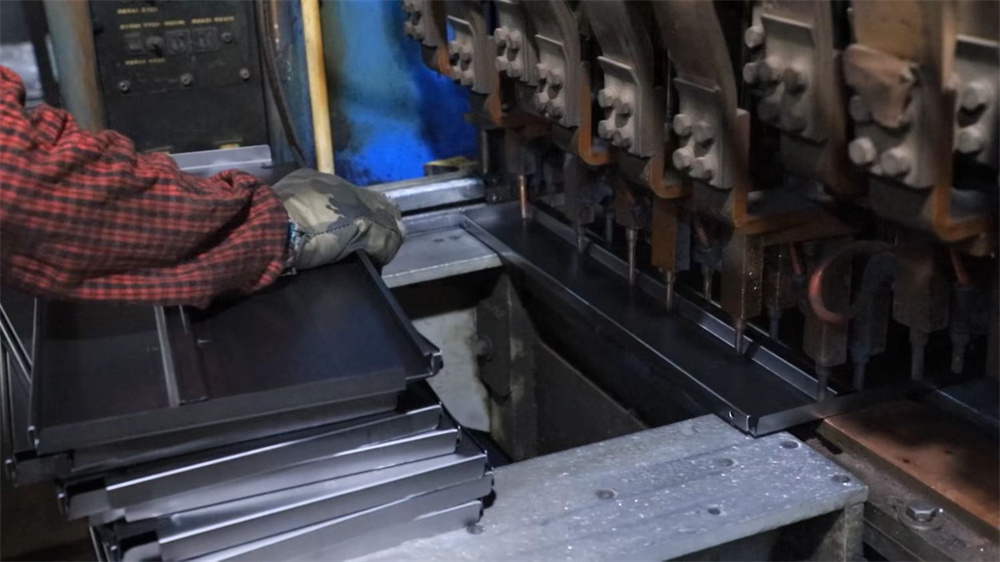
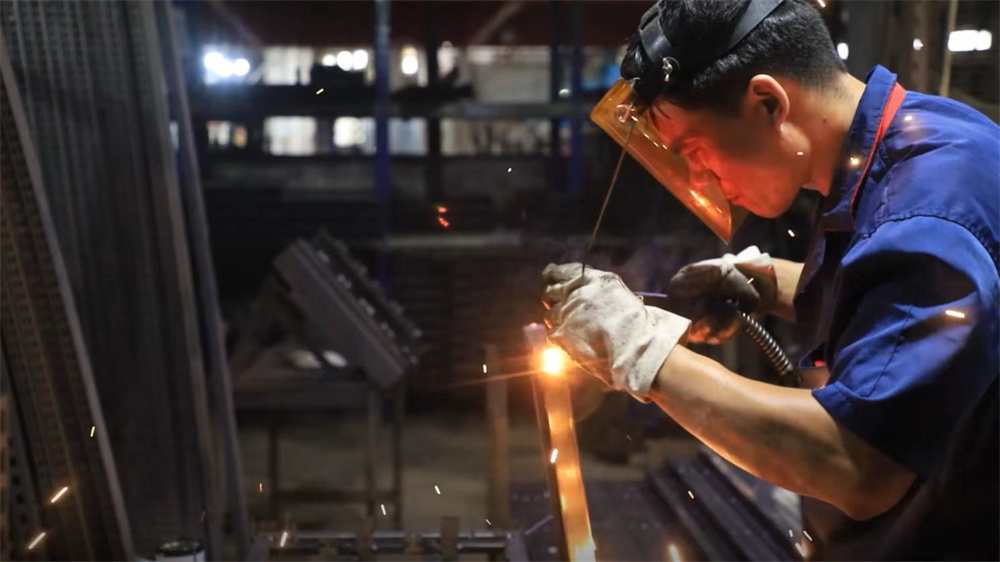
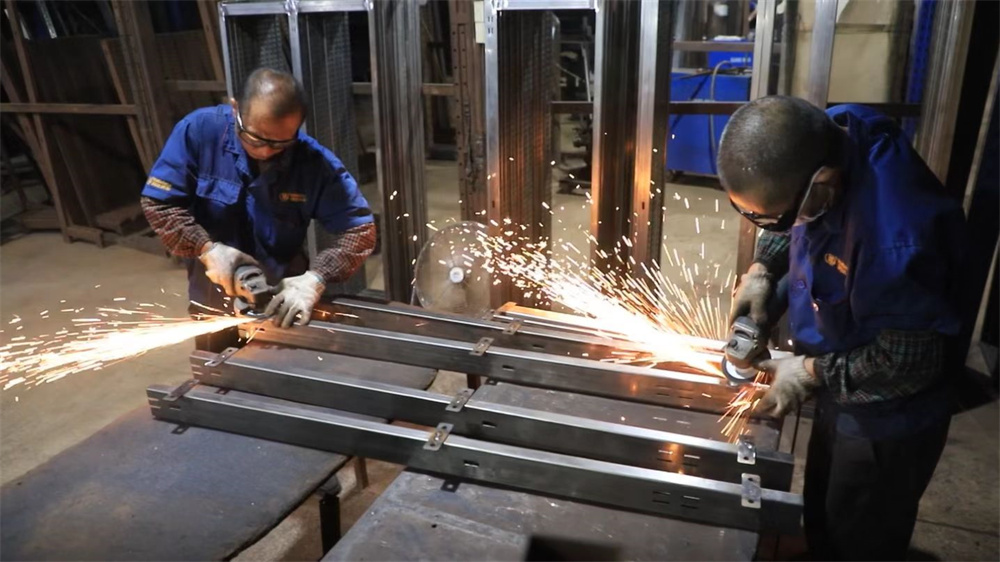
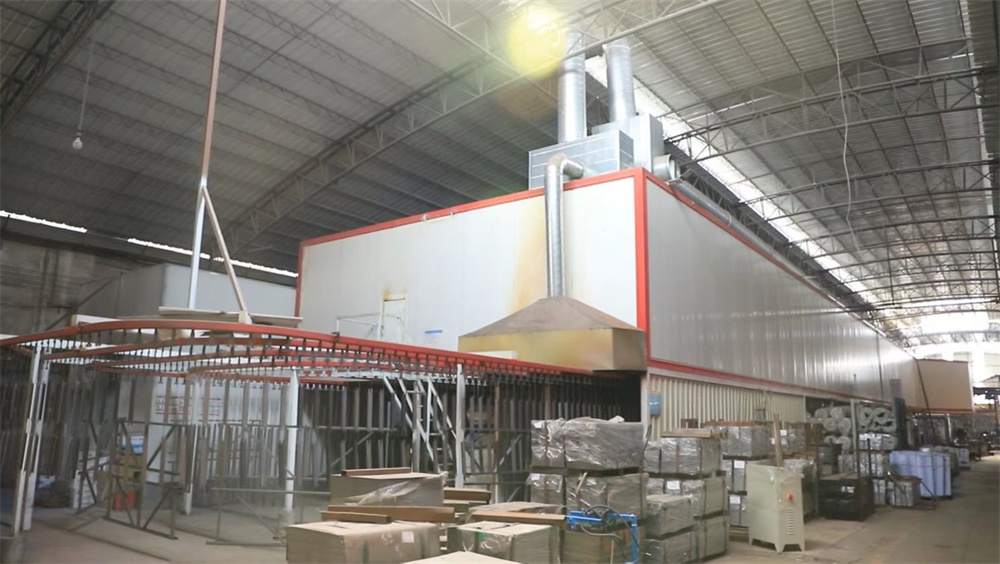
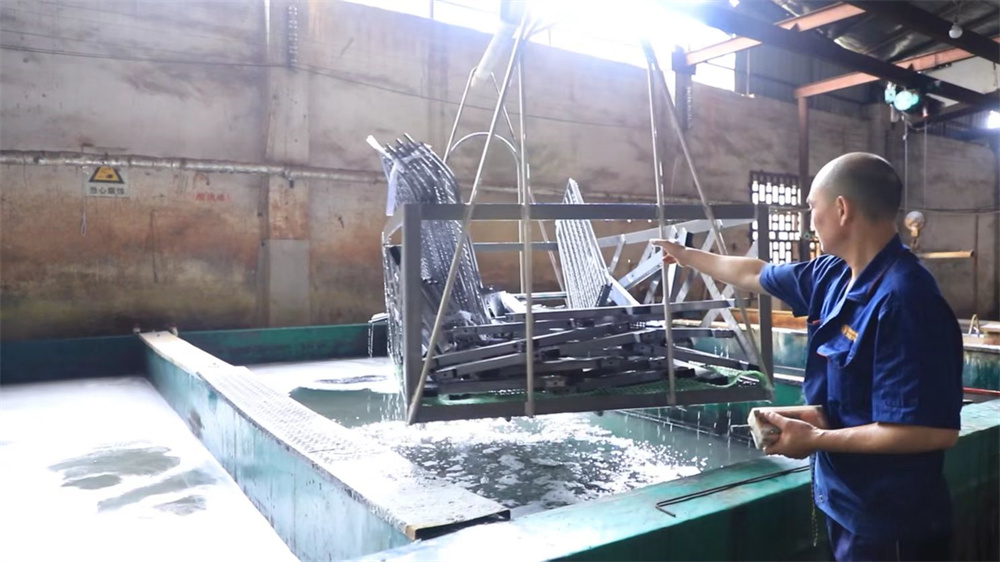
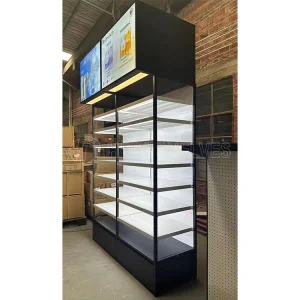
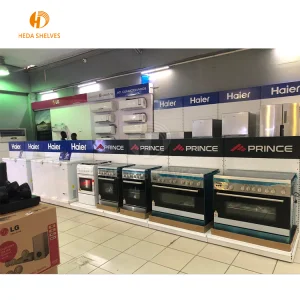
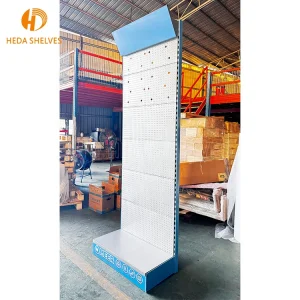
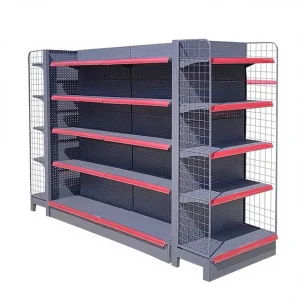
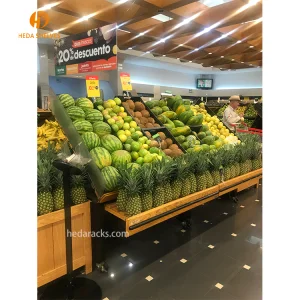
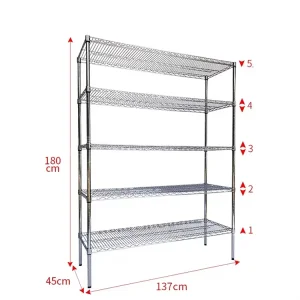
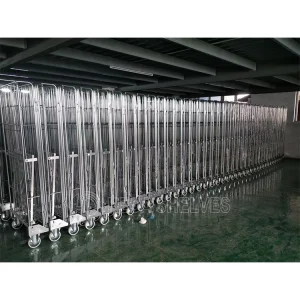
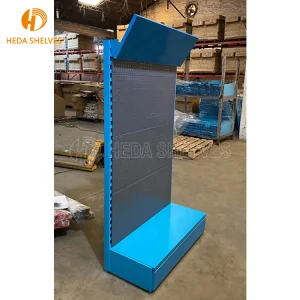
Engineered storage decks, cold storage racks, logistics containers, and retail fixtures optimized for Tokyo commercial environments.
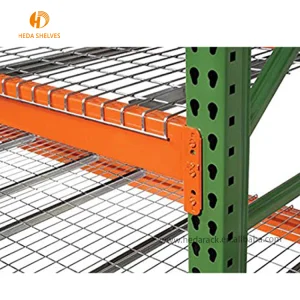
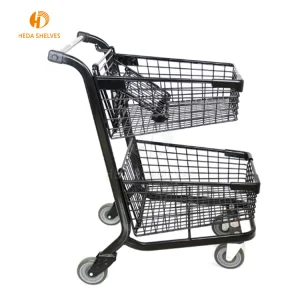
Insights on structural design, logistics schedules, and material standards for the Japanese logistics sector.
Request seismic-grade structural calculations, tailored storage layouts, or container-load wholesale pricing directly from our R&D engineers.
Send Inquiry Now DriveRacks