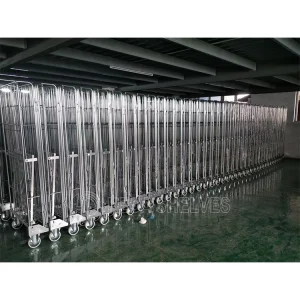
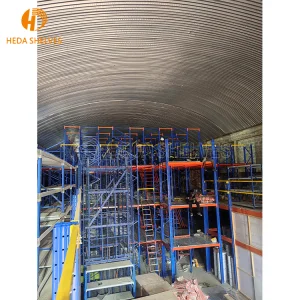
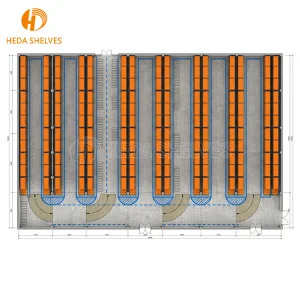
Engineered to comply with Japanese Industrial Standards (JIS) for automated assembly lines, high-frequency logistics cycles, and intense warehousing tasks in Aichi prefecture.
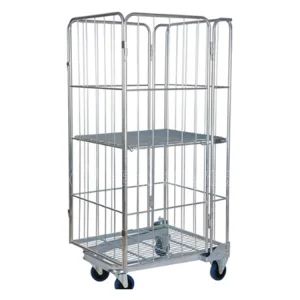
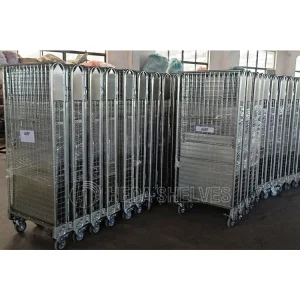
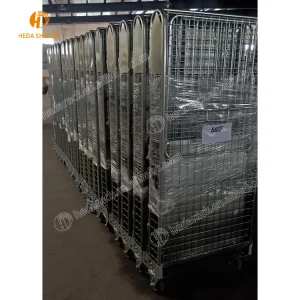
As the capital of Aichi Prefecture, Nagoya anchors the Chubu industrial region, serving as the nucleus of Japan’s automotive, aerospace, and heavy machinery production. With automotive titans like Toyota and their extensive network of Tier 1 and Tier 2 suppliers nearby, Nagoya's manufacturing and logistics ecosystems require specialized material handling strategies. The concept of Just-In-Time (JIT) delivery and Kanban (看板) replenishment places immense physical demands on storage containers.
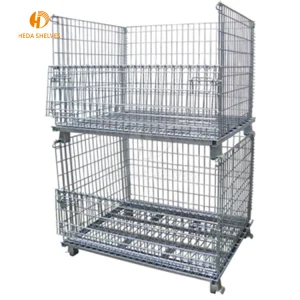
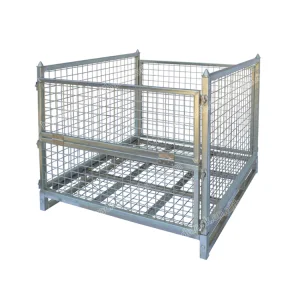
Traditional wood packaging cannot cope with the continuous washing cycles, high-load capacities, and robotic automation systems utilized in contemporary Aichi distribution centers. Our industrial warehouse storage cages are specifically optimized for this region, featuring precise tolerance engineering, high-tensile wire mesh, and standard footprint configurations compatible with Japanese hand trucks and forklift units.
Moreover, the Chubu logistics sector faces a critical shift under Japan's "2024 Logistics Problem" (restrictions on truck driver overtime). This regulatory change demands unprecedented efficiency in loading and unloading times. Highly collapsible, stackable wire mesh containers decrease return-freight volumes when empty and slash truck turnaround times by enabling rapid mechanical loading instead of manual package sorting.
To integrate seamlessly into Nagoya's production channels, our cages are designed to comply with standard size paradigms and testing criteria:
The shift toward highly automated warehouses, automated guided vehicles (AGVs), and smart tracking requires advanced physical storage form factors.
Precision-manufactured base structures ensure compatibility with automatic stacker cranes, shuttle platforms, and chain conveyor networks without catching or misaligning.
Our engineering offers collapse ratios up to 4:1. This reduces empty return trip costs and frees up floor space when containers are not actively in use.
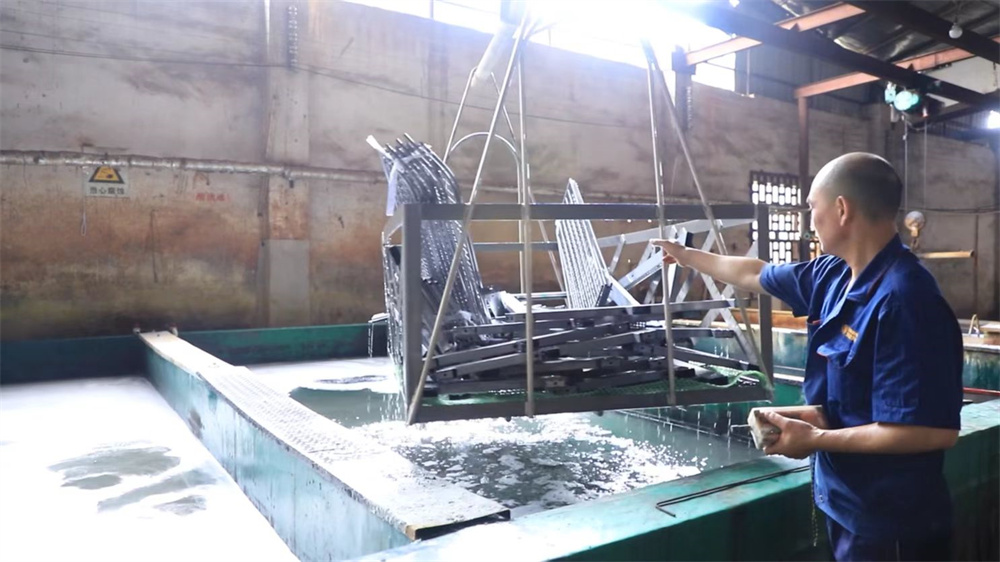
Zinc plating and hot-dip galvanization methodologies applied in our line ensure rust prevention, surviving high-humidity maritime conditions at Nagoya Port.
Understanding the environmental challenges of Japan's Tokai earthquake mitigation zone.
Nagoya and the broader Aichi prefecture sit in a geographically active zone, making seismic hazard design critical for vertical storage safety. Stacking cages up to four levels high requires strict structural stability to prevent dangerous collapse during seismic activity.
Our warehouse cages incorporate heavy-duty stacking corners with flared, deep-nesting leg cups. These anchor points lock stacked units together securely, resisting lateral shear forces. When loaded and stacked, the interlocking configuration prevents shifting, assuring safety for warehouse workers.
| Standard Parameters | Standard Configuration | Heavy Duty Option |
|---|---|---|
| Wire Gauge (Diameter) | 4.8 mm - 5.0 mm | 6.0 mm - 6.4 mm |
| Mesh Grid Dimensions | 50 mm × 50 mm / 50 mm × 100 mm | 25 mm × 50 mm |
| Dynamic Stack Limit | 1 + 2 levels high | 1 + 3 levels high |
| Seismic Safety Factor | 1.25x structural load | 1.5x structural load |
Our engineering team subjects all steel wire mesh containers to rigorous destructive testing and FEA (Finite Element Analysis) simulation models before shipment:
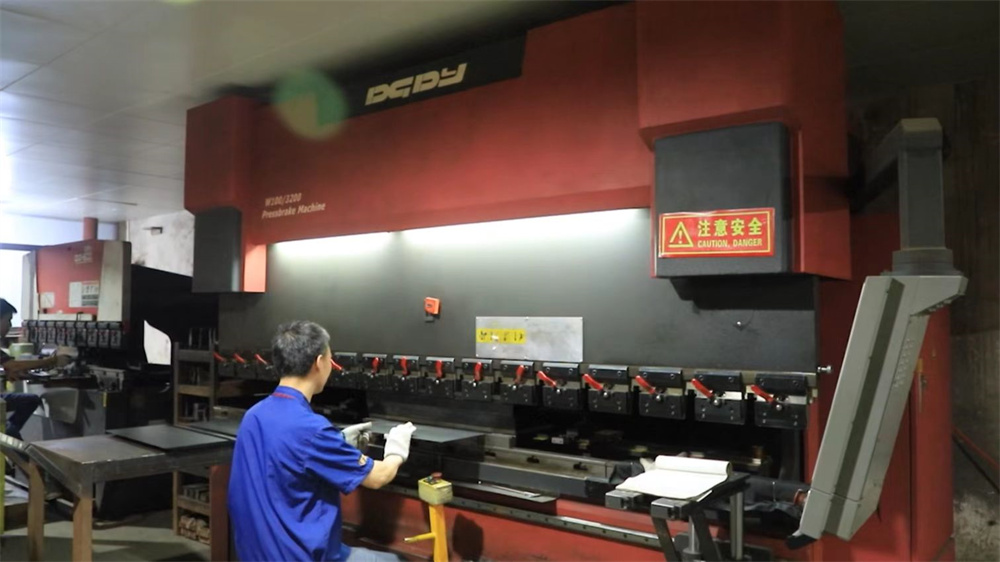
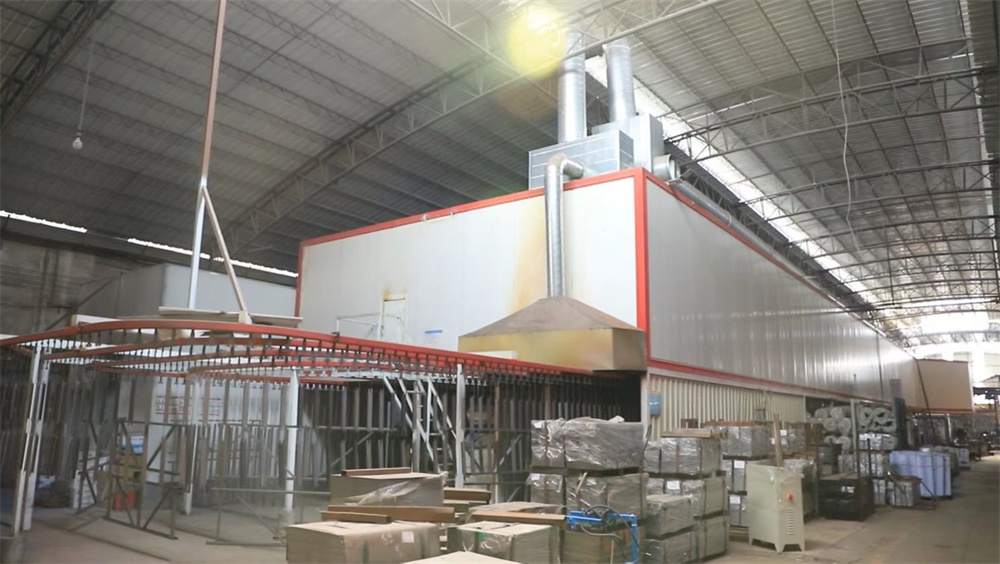
Established in 2017, Chengdu DriveRacks Industrial Technology Co., Ltd. operates a state-of-the-art 42,000 m² manufacturing plant dedicated to advanced material handling and heavy-duty storage infrastructure. Delivering $35 million in annual export revenue, we bring 9 years of deep industry expertise and 6 years of international trade operations. Quality is integral to our process; our team of 30 certified inspectors executes rigorous raw material tensile testing and automated powder-coating thickness audits. Serving high-growth markets across the Middle East, Latin America, and Oceania, DriveRacks leverages a robust ecosystem of 1,200 supply chain partners. We primarily serve enterprise warehouse operators, e-commerce fulfillment hubs, and heavy equipment manufacturers. Powered by 110 skilled R&D engineers focusing on smart automation and high-density racking design, we released 250 dynamic product iterations last year and provide comprehensive customization spanning rack dimensions, seismic ratings, and surface treatments.
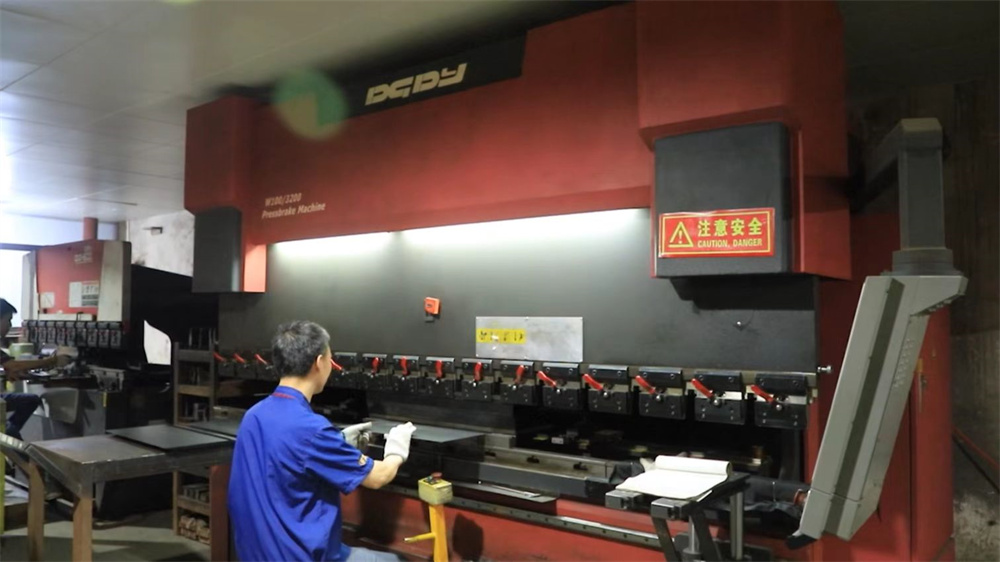
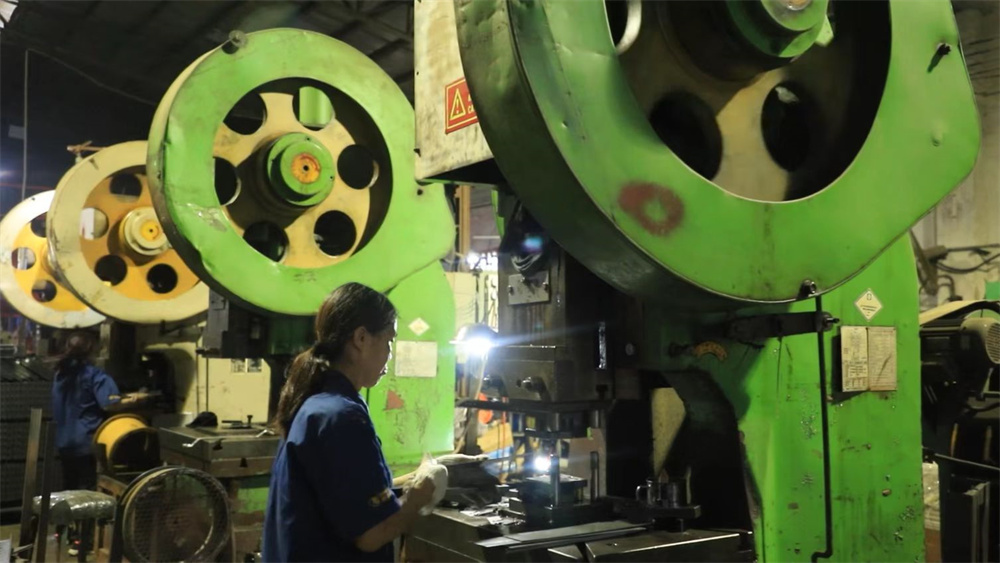
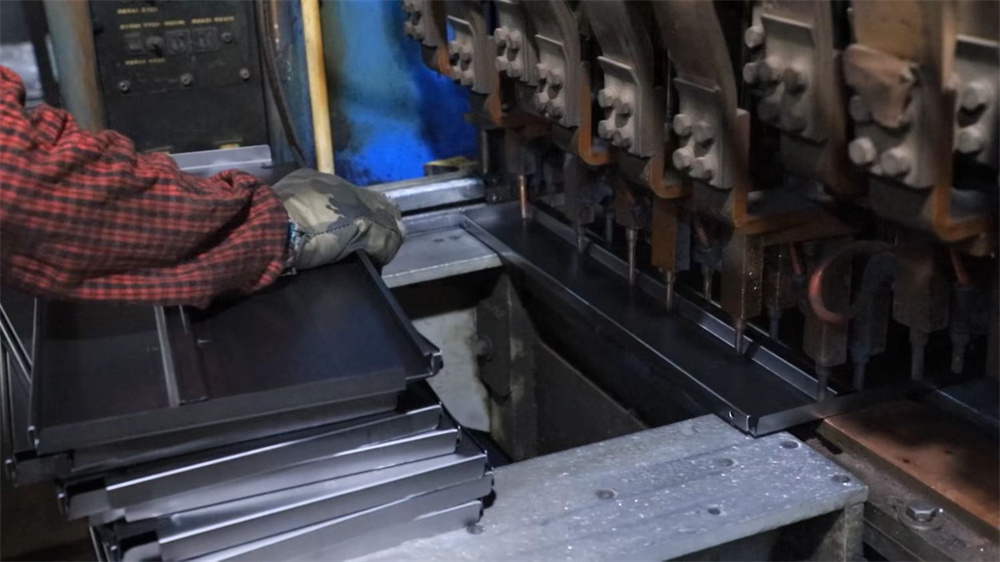
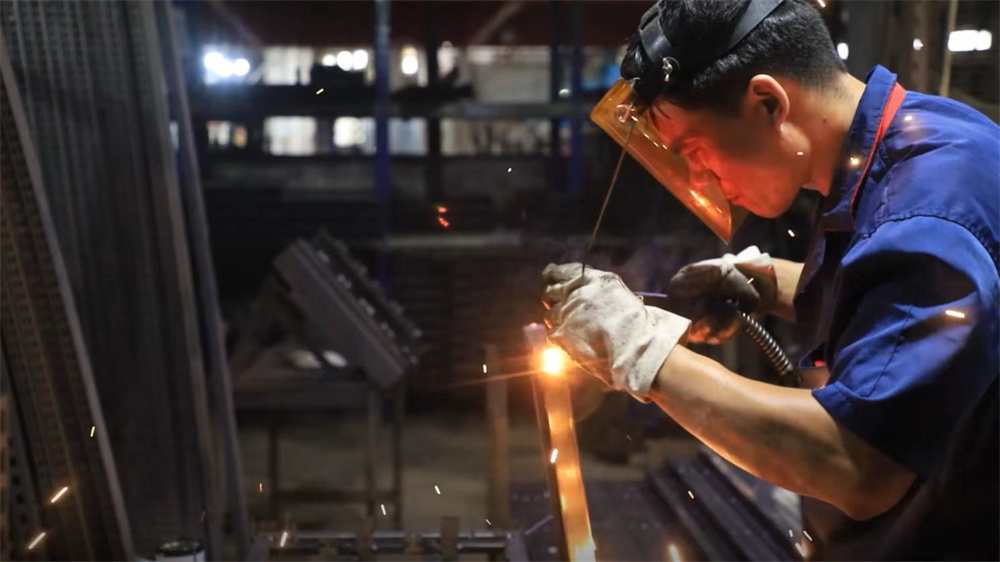
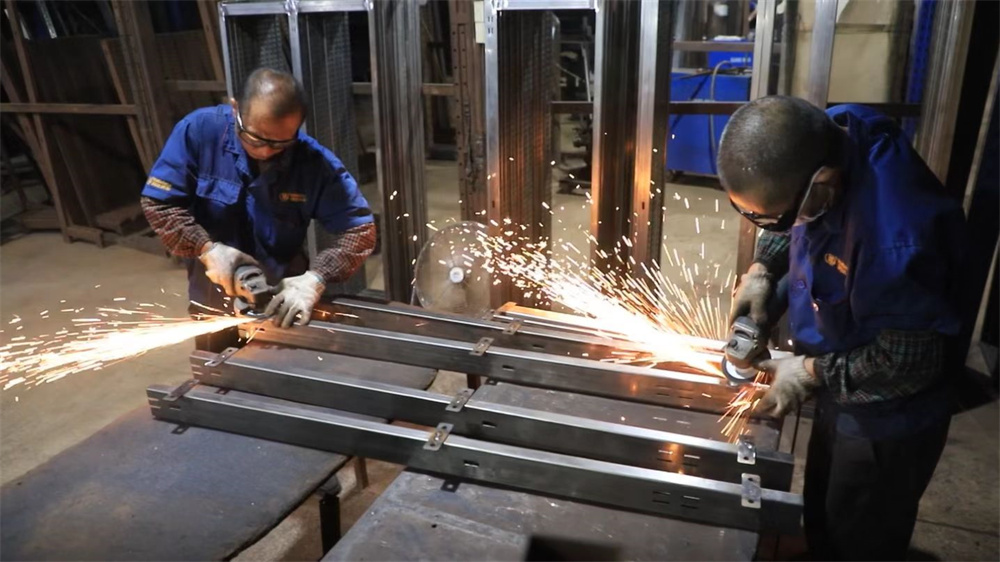
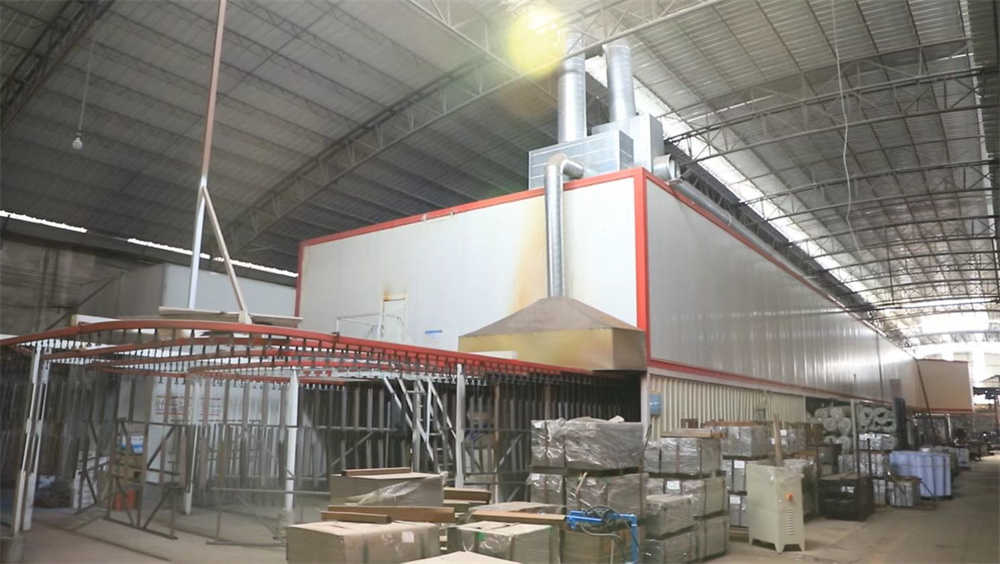
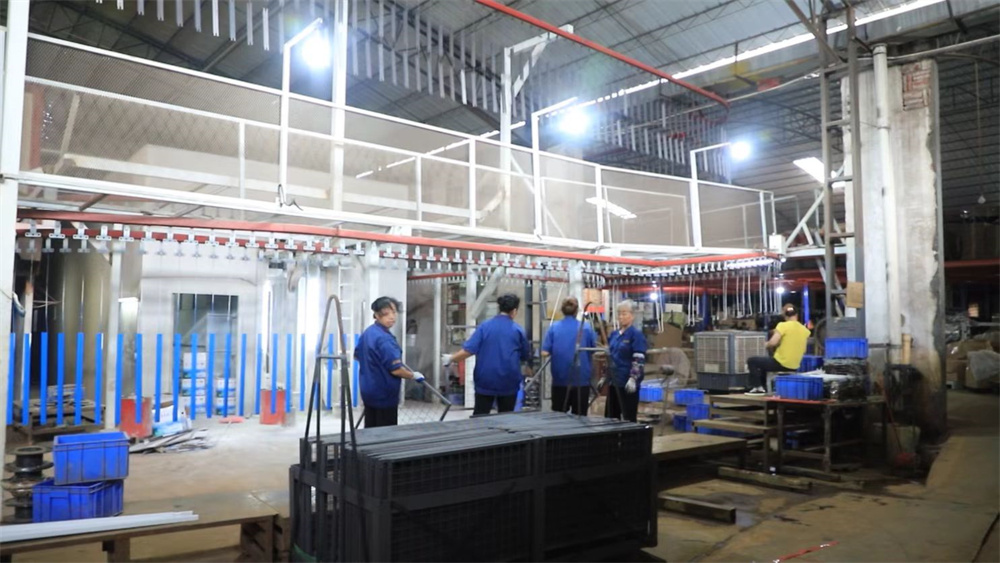
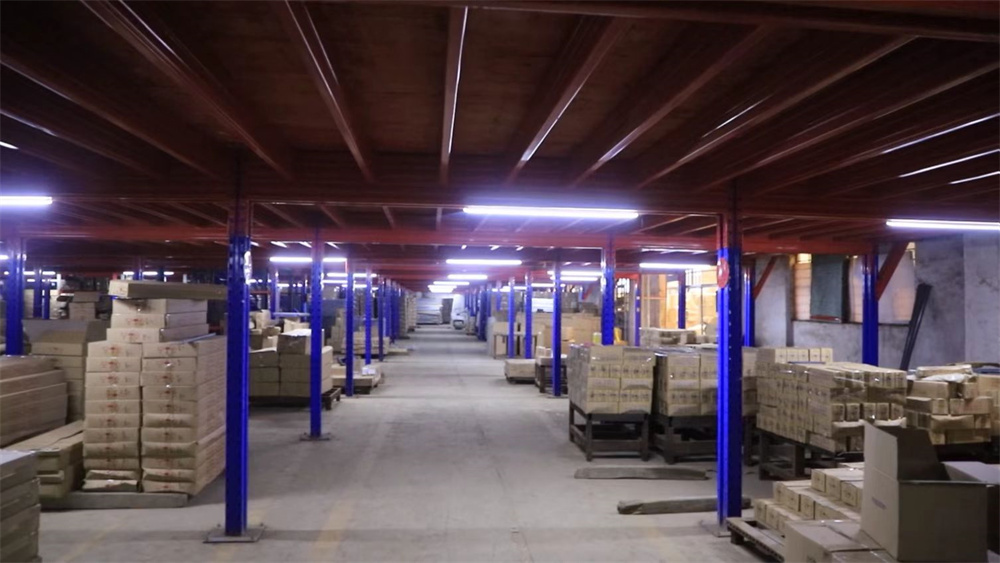
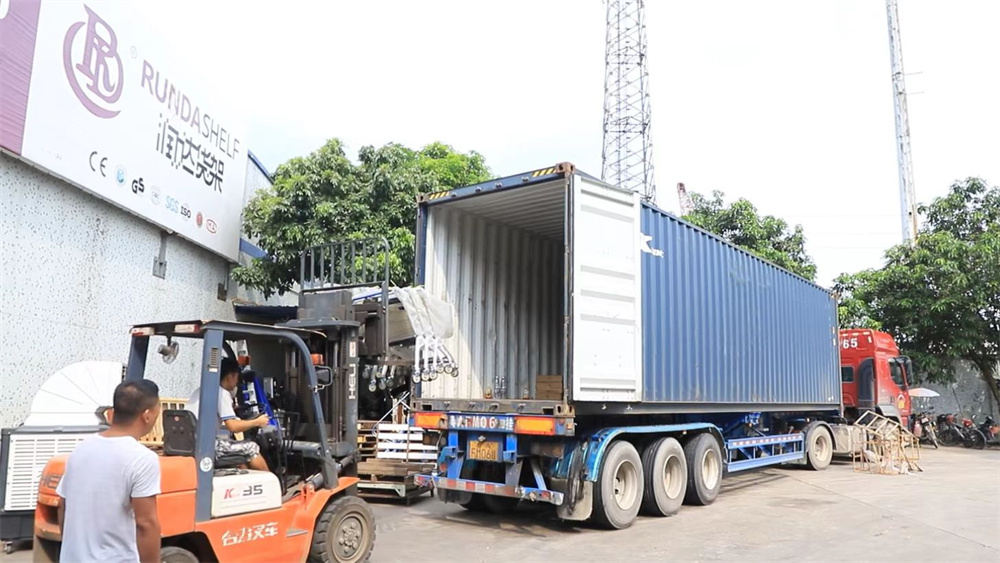
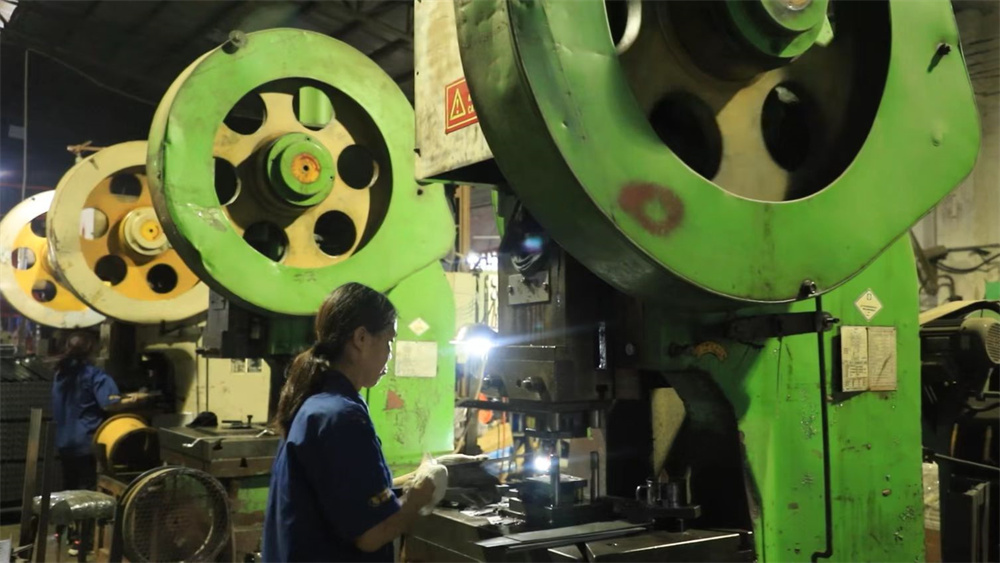
Our 42,000 m² smart factory utilizes advanced production machinery to ensure precise manufacturing tolerances.
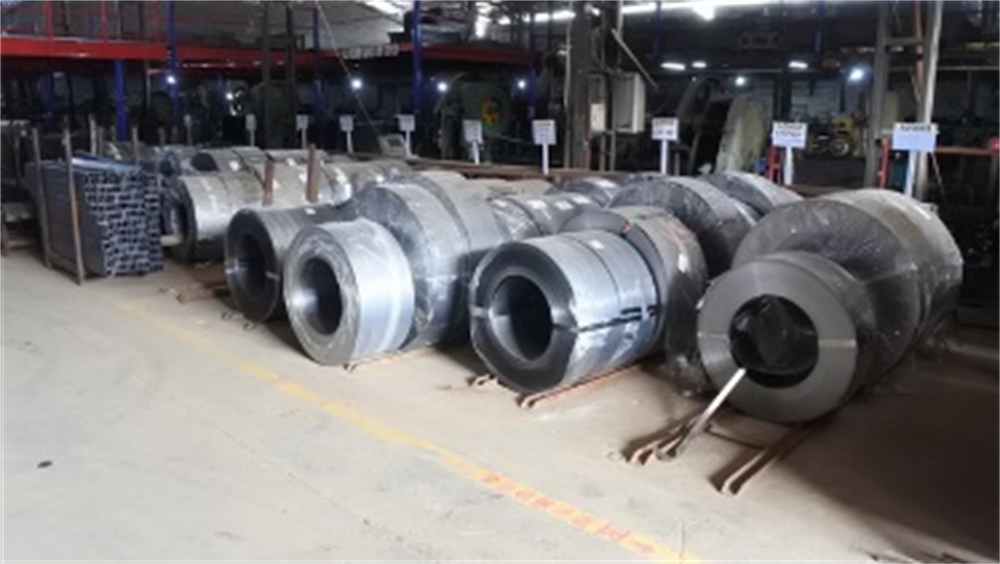
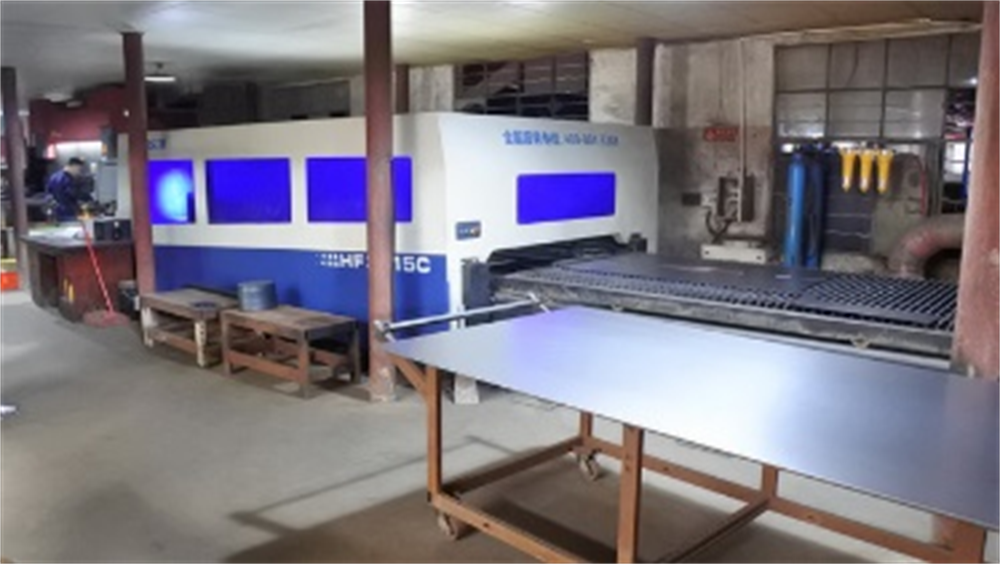
The future of materials handling centers on data visibility and reduced carbon footprint.
Embedding active RFID or Bluetooth Low Energy (BLE) transponders into base frames allows real-time logistics tracking across multiple warehousing sites.
Moving toward zero-VOC powder coat finishes and closed-loop plating chemistry aligns with corporate environmental goals in Japan.
Designing magnetic and reflective guide brackets directly onto the chassis of storage cages facilitates seamless pickup and transport by automated robots.
Critical purchasing insights for engineering leads and logistics procurement directors.
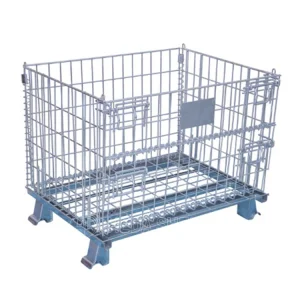
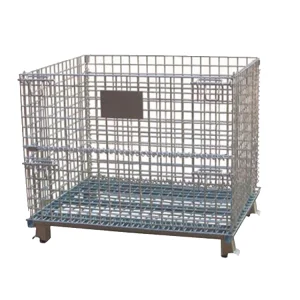
Engineered high-load racks, pallet cages, and industrial transport systems to optimize floor space.
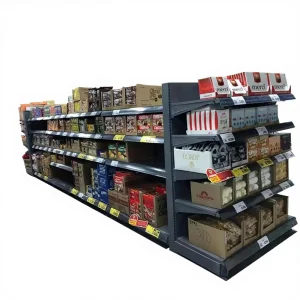
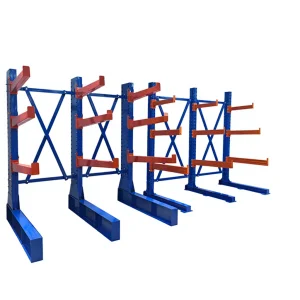
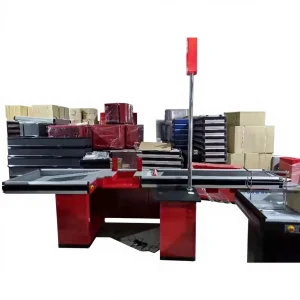
Custom display stands, checkout solutions, and high-density warehouse drive-in racking.
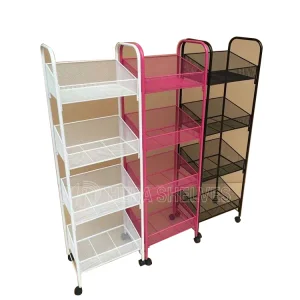
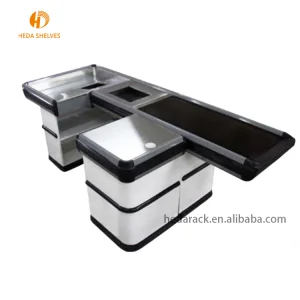
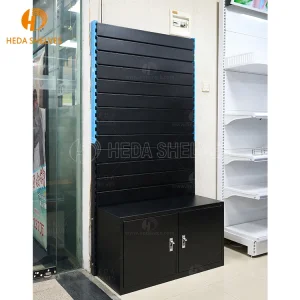
Get in touch with our design engineers to customize your industrial storage cages, specify JIS tolerances, or request bulk pricing for container shipments to Aichi region.
Send Inquiry Now DriveRacks